



Pinjol and PayLater debt surge as Indonesians struggle with rising living costs
Thekabarnews.com—As the cost of living rises, many Indonesians are turning increasingly to online lending services (pinjol) and PayLater facilities. They rely on these services to make it to the end...

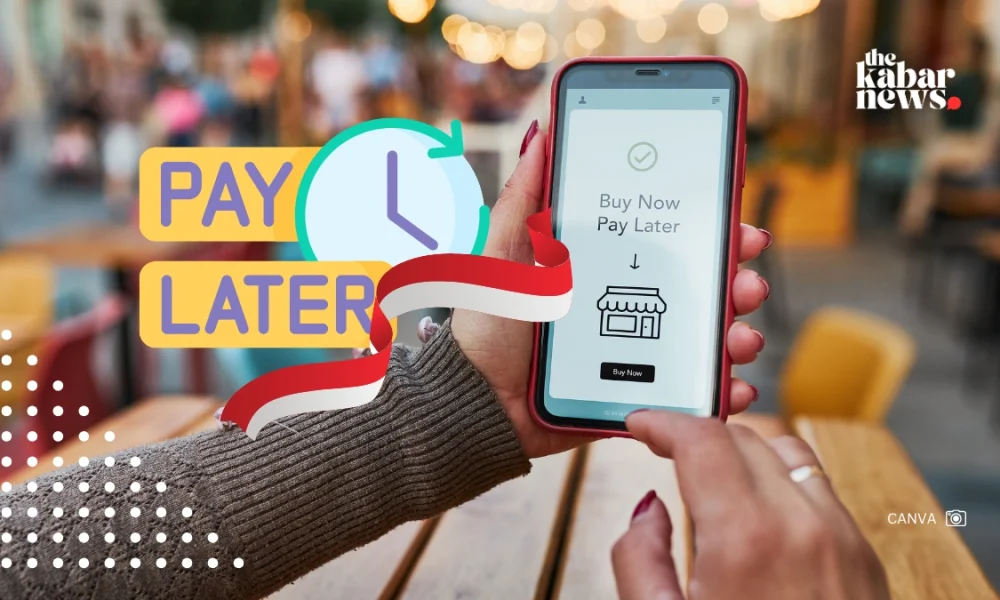
Thekabarnews.com—As the cost of living rises, many Indonesians are turning increasingly to online lending services (pinjol) and PayLater facilities. They rely on these services to make it to the end of the month.
New financial data shows that consumers, especially those in middle- and low-income groups, are taking on far more buy-now-pay-later debt. They are also accepting more online loans as financial hardship grows.
Pinjol’s outstanding debt reached Rp100.69 trillion in February 2026. Transactions using PayLater climbed 86.7 percent to Rp 56.3 trillion at the end of the same month.
“The rise in outstanding debt indicates that more Indonesians borrow to fulfill their daily requirements, not to invest productively,” Tauhid Ahmad, senior economist at the Institute for Development of Economics and Finance (INDEF), stated. Moreover, economists fear the data shows consumers are losing financial resilience.
“You can observe the progress, which continues to increase over time. Of course, more and more people are falling into debt. I think this is not a good sign, because most of these loans are consumptive loans, not productive loans for business activities,” said Tauhid, as quoted in detikcom, Monday, May 11.
He also said that many families are flocking to the internet to borrow money, not to grow their businesses or create new revenue streams. Instead, they borrow to pay for food, transit, electricity, and everyday expenses. The trend suggests a decline in buying power and financial security.
“The increase in savings for consumers with bank accounts below Rp100 million is still small and not significant,” Tauhid added.
Tauhid remarked that people are spending their money faster than they are saving it. In addition, poor savings are earning almost nothing.
“It is frightening that people are spending their savings instead of saving,” he said.
This creates a vicious cycle where families borrow short-term to maintain their financial stability, but their long-term financial situation deteriorates.
He warned such techniques could trap more households into indebtedness. Certain pinjol services are known to charge high interest rates and inflict heavy penalties for late payments.
The appeal of pay-later options, which are sometimes built into e-commerce sites that let people buy things now and pay for them later, has also helped make them popular.
The convenience often leads to imprudent spending and a collapse of budgetary management. It will take higher earnings and greater financial literacy to bring down digital consumer debt.
Otherwise, short-term credit solutions could replace real economic security. We need to improve wages, job security, and social protection.
For many Indonesians, the latest figures underscore an increasingly obvious truth. When savings dry up and prices go up, debt is the quickest, and often most dangerous, way to stay afloat.





No Comment! Be the first one.