



Emoji habit linked to stronger emotional awareness, UK study finds
Thekabarnews.com—Emojis might be doing more than adding expression to text messages. New research suggests that emoji users may have an unexpected advantage in emotional intelligence—they may be...

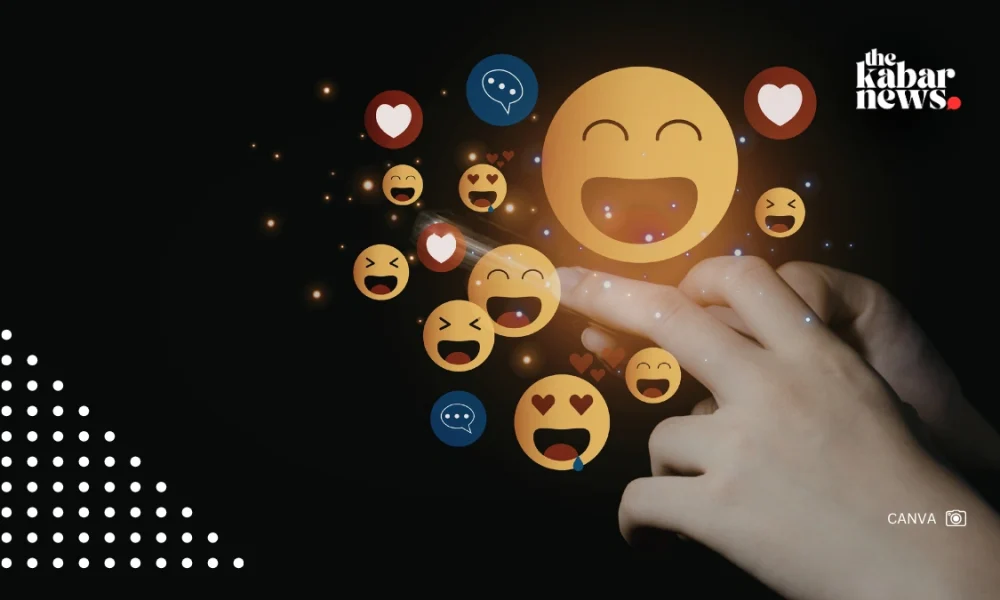
Thekabarnews.com—Emojis might be doing more than adding expression to text messages. New research suggests that emoji users may have an unexpected advantage in emotional intelligence—they may be better at understanding emotions in real life.
People who use many emojis might be better at spotting emotions on human faces, a study from Bournemouth University in the United Kingdom has found.
But psychologists say it’s more than a social habit, a mirror of how the human brain processes emotional impulses.
Studies have indicated that the brain processes emotional feelings in surprisingly similar ways when people look at an emoji on a screen or a real human face in everyday life.
Researchers found that looking at emojis, facial expressions, and real human faces activates the same brain areas.
This suggests that the brain does not treat emojis as digital embellishments, but rather as emotional cues that are equivalent to those in face-to-face conversation.
Real human expressions trigger the same patterns of identification that smiling, sad, furious, or shocked emoji faces trigger.
Thus, those who use many emojis might become better at picking up on subtle cues of emotion. This might explain why people who use emojis often appear more socially aware or emotionally reactive in their interactions.
In the absence of tone of voice and facial expressions, emojis are widely used to substitute for emotional tone in digital communication.
Emojis clarify the intended message, reduce misunderstandings, and foster emotional connections between individuals.
But research says the frequent use of emoticons could help people learn to be more sensitive to emotional context, online and offline.
The study also questions the conventional assumption that emoticons detract from the seriousness or sophistication of discourse.
The results suggest that emojis may enhance empathy and emotional comprehension. Emotional intelligence is the ability to identify, understand, and manage your emotions and those of others.
If they hone that skill, emojis could become a bigger part of modern communication than many think. Emoticons can never replace real human interaction.
Face-to- face is so much more involved. Your tone, body language, and culture influence communication. But the study shows how even small digital habits impact social awareness.
Emojis are now a part of everyday conversations, especially among the younger generations. They are not trivial symbols, and they may help people to be better at emotional communication.
Therefore, if you do not frequently use emojis, research suggests that you may want to reconsider this practice. That innocent-looking happy emoji may be helping you to develop your emotional intelligence more than you think.





No Comment! Be the first one.