



Kevin Warsh replaces Jerome Powell as new Federal Reserve chairman
Thekabarnews.com—Kevin Warsh was sworn in as the new chairman of the Federal Reserve (the Fed) on Friday, 22 May. He replaces Jerome Powell in a politically divisive process in the United States...

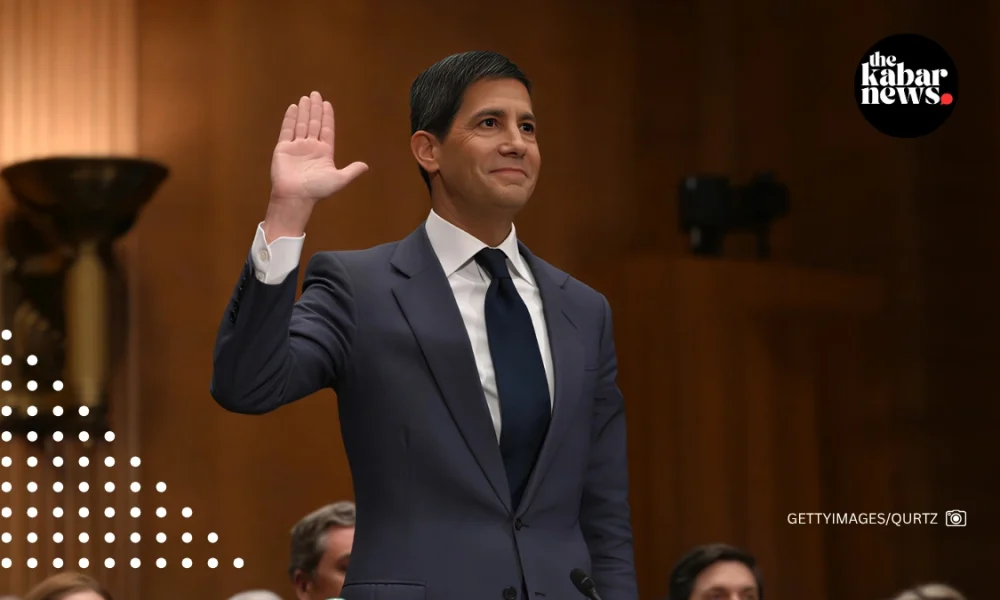
Thekabarnews.com—Kevin Warsh was sworn in as the new chairman of the Federal Reserve (the Fed) on Friday, 22 May. He replaces Jerome Powell in a politically divisive process in the United States Senate.
Warsh, 56, squeaked through party-line approval. The Senate confirmed his nominations as governor and chairman of the Fed in a heated political debate.
And Democratic Sen. John Fetterman was the only Democrat to break with his party and vote for Warsh’s nomination, reports Washington.
The leadership change comes at a delicate moment for the U.S. economy and international financial markets. The move comes as anxiety builds over inflation, interest rates, and the political independence of the Fed.
Historically, the Fed has been an independent, nonpartisan institution responsible for monetary policy, inflation control, and financial stability.
But Warsh’s appointment has heightened the debate over political influence at the central bank. This follows repeated comments by President Donald Trump about interest rates and the economy.
Warsh will have to immediately confront major challenges. These include balancing expectations for inflation control and economic growth with maintaining confidence in the institutional independence of the Fed.
The Fed’s interest rate decisions are one of the most important economic factors in the world. They affect currency markets, international investment flows, borrowing costs, and financial stability.
The Fed’s monetary policy can have a big impact on developing countries like Indonesia. If the Fed under Warsh keeps interest rates high or raises them, the rupiah could come under further pressure.
Higher U.S. interest rates have drawn investors from across the world into U.S. assets. Investors perceive these assets as safer and more lucrative than elsewhere.
Such developments can exert pressure on emerging market currencies, result in capital outflows and increase volatility in domestic financial markets.
Indonesia’s stock market, government bonds, and exchange rate moves are especially sensitive to changes in U.S. monetary policy.
So the appointment of Warsh immediately captured the attention of central banks, investors, and policymakers around the world.
Warsh was a Fed governor during the 2008 global financial crisis. Later, he became known as a critic of financial regulation, inflation risks, and monetary policy reform.
He is a seasoned financial policymaker who can help guide them through an uncertain economy. His appointment could put pressure on the Fed’s historically independent role, with political expectations influencing interest rates.
The global economy is facing a range of challenges. These include slower growth, geopolitical tensions, lingering inflation worries, and volatile energy markets.
Markets will be trying to read every signal of what the new chairman is thinking as he takes the reins. Investors are looking at what the change means for interest rates and the wider course of monetary policy.
For Indonesia and other emerging economies, the change of guard at the Fed may not be a US domestic issue. Instead, there could be implications for the stability of currencies, the flow of capital and financial conditions in global markets in the months ahead.





No Comment! Be the first one.