



US court rejects Trump’s 10% global tariff policy in major legal blow
Thekabarnews.com—The U.S. trade court ruled Thursday, May 7, 2026, against President Donald Trump’s latest 10 percent global tariff policy. The court said that trade laws from the 1970s cannot...

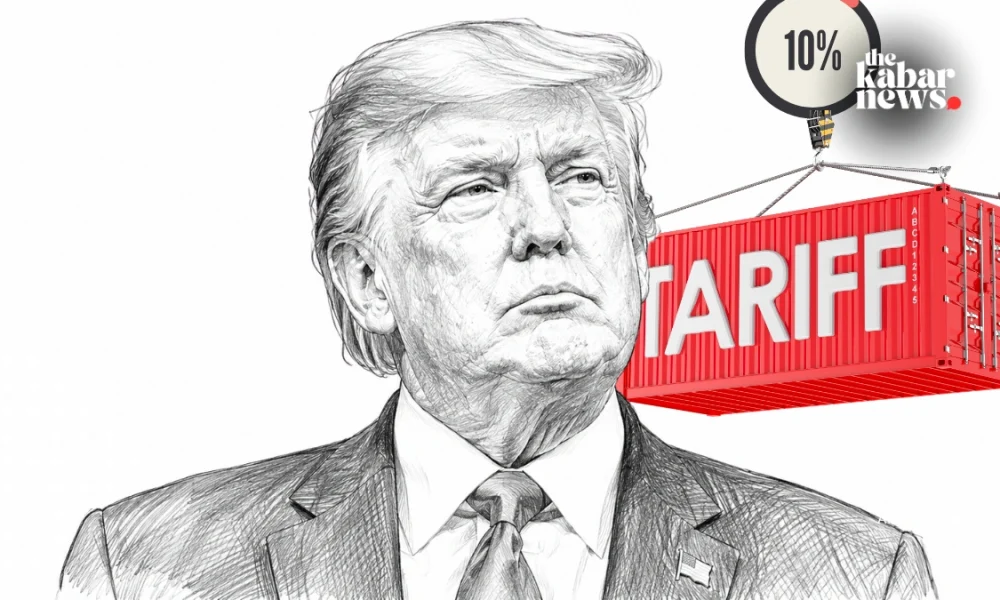
Thekabarnews.com—The U.S. trade court ruled Thursday, May 7, 2026, against President Donald Trump’s latest 10 percent global tariff policy. The court said that trade laws from the 1970s cannot legally justify the sweeping import duties.
The U.S. Court of International Trade ruled in favor of a group of small business owners who challenged a tariff policy. That policy went into effect Feb. 24, Reuters reported.
The court ruled in a 2-1 decision. However, one judge said it was too soon to declare victory for the plaintiffs.
Small business owners argued that the new tariffs were an attempt to get around a landmark Supreme Court of the United States ruling. That ruling previously struck down Trump’s 2025 tariffs imposed under the International Emergency Economic Powers Act.
In February, Trump issued the new order under Section 122 of the Trade Act of 1974. This law permits temporary tariffs for up to 150 days to deal with serious balance-of-payments deficits or to avoid a sharp decline in the value of the U.S. dollar.
But the court ruled that the law did not intend to address the type of trade deficit that the Trump administration cited.
The judges found the United States was not in the sort of emergency economic conditions that would justify such sweeping tariff powers.
The Trump administration had argued that the country was suffering from a serious trade imbalance. Specifically, it cited a US$1.2 trillion annual goods trade deficit and a current account deficit equal to 4 percent of gross domestic product (GDP).
But several economists and experts in international trade law said the US was not facing a balance-of-payments crisis severe enough to justify emergency tariff authority.
Jay Foreman, CEO of Basic Fun! and one of the plaintiffs, said the ruling was a major win for American companies. These companies depend on global manufacturing to offer affordable and safe products.
“Illegal tariffs made it increasingly difficult for companies like ours to compete and grow,” Foreman said in a statement.
He said the court was right to find that the tariff policy went beyond presidential authority.
“It offers the clarity and stability necessary for companies navigating complex global supply chains,” he added.
The ruling could be hugely significant for future trade policy. It may restrict the ways presidents can use emergency powers to impose tariffs without congressional approval.
The court dismissed the case mainly because the 1974 law’s purpose did not match the administration’s argument. There was no real balance-of-payments crisis, the president had too much power, and it went against previous Supreme Court rulings.
The ruling is another major legal setback for Trump’s trade agenda. It may reshape the debate over executive power in US economic policy ahead of the 2026 election season.





No Comment! Be the first one.