



Can mosques charge parking fees? here’s what islamic law and Hadith say
Thekabarnews.com—Mosque parking facilities have been a growing necessity for many years. This is particularly true in urban areas, where large congregations gather daily and for Friday prayers and...

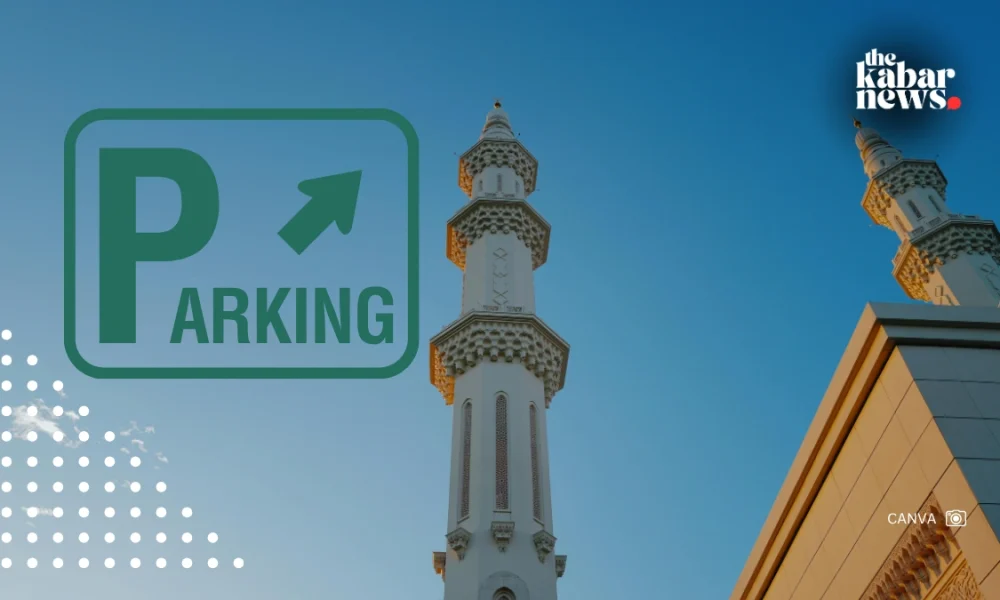
Thekabarnews.com—Mosque parking facilities have been a growing necessity for many years. This is particularly true in urban areas, where large congregations gather daily and for Friday prayers and major Islamic events.
But charging for parking often causes a row among worshippers. Some think charging for parking is justified for security and order. Meanwhile, others believe that collecting such fees is not appropriate in a place of worship.
In fact, the legal basis is obvious both in Islamic law (fiqh) and in Indonesian positive law.
In fiqh, scholars refer to the open space around the main mosque building as the harim al-masjid and use it as a public access zone to support worship activities. Additionally, scholars argue that this area should remain open for public benefit. This openness is only allowed provided it does not disrupt prayer activities.
And that’s why mosque officials should not consider the harem area to be just rental property for commercial parking.
Islam does not generally allow the leasing of mosque land simply for profit.
But under Islamic law, it is permissible to charge for parking if the fee is a recompense for services such as security, supervision, and protection (hifzh) of the vehicle. Importantly, the charge must not be for the land itself.
Here the payment is ujrah (service charge), not unlawful leasing.
This ruling is in accordance with Allah’s command in Surah Al-Baqarah (2:188):
وَلَا تَأْكُلُوٓا۟ أَمْوَٰلَكُم بَيْنَكُم بِٱلْبَـٰطِلِ وَتُدْلُوا۟ بِهَآ إِلَى ٱلْحُكَّامِ لِتَأْكُلُوا۟ فَرِيقًۭا مِّنْ أَمْوَٰلِ ٱلنَّاسِ بِٱلْإِثْمِ وَأَنتُمْ تَعْلَمُونَ
“And do not consume one another’s wealth unjustly or send it [in bribery] to the rulers in order that [they might aid] you [to] consume a portion of the wealth of the people in sin, while you know [it is unlawful].”
This verse is a major basis for Islamic financial ethics. It teaches that people must not take wealth through falsehood, coercion, or injustice.
The legality also depends upon the management’s authority.
Only parties officially appointed by the mosque administrators or takmir masjid have the right to collect parking fees. On the other hand, scholars strongly condemn the practice of collecting parking fees without official permission. This practice is known as “maks” (an illegal levy or extortion).
قَالَ سَمِعْتُ رَسُولَ اللَّهِ صلى الله عليه وسلم قَالَ: لاَ يَدْخُلُ الْجَنَّةَ صَاحِبُ مَكْسٍ
Narrated Uqbah ibn Amir: “I heard the Messenger of Allah (ﷺ) as saying: One who wrongfully takes an extra tax (sahib maks) will not enter Paradise.'” (Sunan Abi Dawud 2937).
Scholars frequently cite this hadith to distinguish between lawful compensation for service and unlawful extortion done without right.
This understanding is also in accordance with Indonesian law.
The national rules provide a special GST treatment of parking services at places of worship. They also exclude these services from some GST obligations because of their religious and social purpose.
But it does not allow for uncontrolled collection. Therefore, management must adhere to the official mosque policy to prevent disputes and ensure that the practice does not lead to illegal levies (pungli).
Such unauthorized parking collection around mosques, if not approved by the institution, can still create administrative and even criminal problems. Legal experts say these issues can arise.
Transparency is important too. Worshippers should know if the parking fees are going to security services, maintenance of the mosque, or other legitimate operational needs.
In conclusion, charging for parking at mosques is permissible under Islam and Indonesian law. This practice is acceptable so long as the charge is for security services and not for land rental. Furthermore, the practice is allowed if the management is under the official authority of the mosque administration.
It is not the charge but the fairness, transparency, and legality of its administration that is critical.




No Comment! Be the first one.