



Firms reroute cargo through Panama, paying millions to bypass Strait of Hormuz
Thekabarnews.com—Snarls in the Strait of Hormuz continue to reshape global trade flows. Shipping companies are now paying up to $4 million to get through the Panama Canal. The rise in transit fees is...

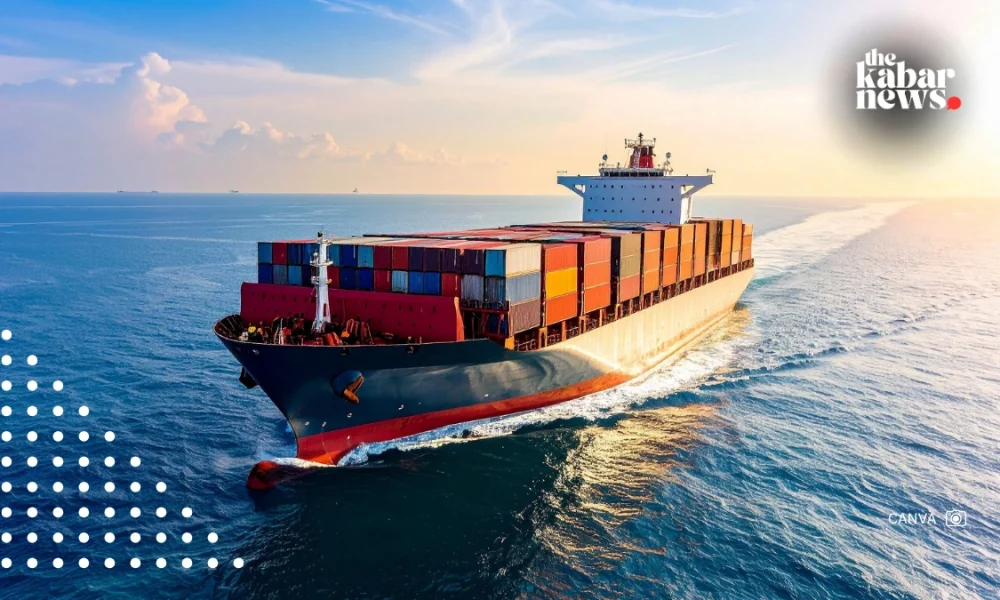
Thekabarnews.com—Snarls in the Strait of Hormuz continue to reshape global trade flows. Shipping companies are now paying up to $4 million to get through the Panama Canal.
The rise in transit fees is due to an “unprecedented spike in demand” for faster shipping routes. The Panama Canal Authority attributed this increase to geopolitical tensions between the United States and Iran.
Under normal conditions, the canal allocates pre-booked slots to vessels at fixed rates. But companies with no reservations have to bid for priority access in auctions. They often pay much higher prices to avoid delays.
These prices at auction have soared in the last few weeks. Congestion and uncertainty plague traditional shipping routes, prompting companies to pay more to avoid long queues near Panama City.
The typical average base cost for a canal transit is in the $300,000 to $400,000 range depending on the size and type of vessel. Companies paid an additional $250,000 to $300,000 to expedite their process.
But the current market has driven the average extra fee to around $425,000. Some bids are as high as $4 million for instant access.
The spike comes as part of a larger shift in global logistics. Disruptions in the Strait of Hormuz, one of the world’s most important oil and shipping arteries, have created bottlenecks that ricochet through international supply chains.
The rise in alternative routes, such as the Panama Canal, shows how quickly trade flows can shift in response to geopolitical tensions. Shipping companies now are concentrating on speed and reliability instead of price. This is especially the case for high-value cargo.
Prolonged disruptions could result in sustained hikes in shipping costs. This would, in turn, impact global commodity prices and supply chains.
“It is not just a temporary blip. We’re seeing a structural shift in how we use global trade routes,” a logistics expert said.
The situation also emphasizes the strategic value of key maritime choke points. With tensions ongoing, shipping companies might keep looking for alternative routes. This puts more pressure on infrastructure such as the Panama Canal.
However, businesses continue to prioritize timely deliveries, even at a higher cost. The next few weeks will be crucial in determining whether global trade flows calm down or remain volatile.
The rise in Panama Canal tolls underscores the interconnected nature of global trade. It also highlights the vulnerability of critical supply chains as geopolitical risks persist in disrupting logistics networks.






No Comment! Be the first one.