



Indonesia orders EV tax exemptions nationwide to accelerate energy transition
JAKARTA, Thekabarnews.com—The Indonesian government has now legally mandated all local governments to provide financial incentives for electric vehicles (EVs). This is to encourage the country’s...

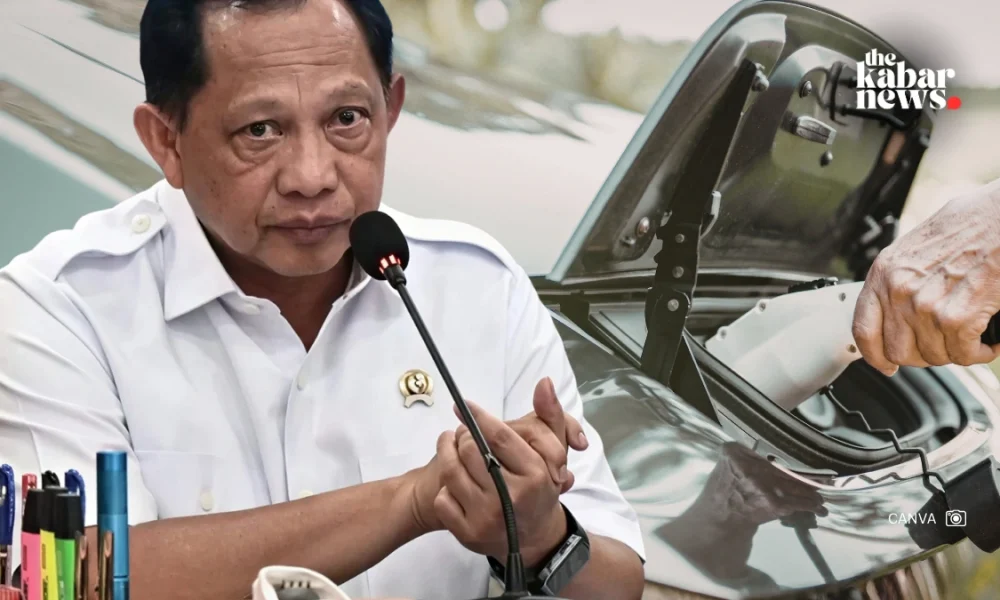
JAKARTA, Thekabarnews.com—The Indonesian government has now legally mandated all local governments to provide financial incentives for electric vehicles (EVs). This is to encourage the country’s transition to greener energy. These incentives include exemptions from motor vehicle tax (PKB) and fees for vehicle-ownership transfer fees (BBNKB).
The circular letter is Circular No. 900.1.13.1/3764/SJ, signed by the Home Affairs Minister, Tito Karnavian, on April 22, 2026. The government enacted this policy through Presidential Regulation No. 79/2023 and Ministerial Regulation No. 11/2026.
The government has urged all Indonesian governors to implement tax exemption policies for owners of battery-powered electric vehicles. This is to boost their use and reduce dependence on fossil fuels. Officials stated that the move also aims to mitigate the economic impact of fluctuating global oil and gas prices.
The Indonesian government official said the policy aims to drive the transition to clean energy and strengthen economic resilience.
But the Indonesian Electric Vehicle Industry Association (Periklindo) has expressed worry about possible discrepancies in authority. As a result, this situation creates inconsistencies in EV prices and incentives through their own fiscal authority. This scenario creates inconsistency in EV prices and incentives by policy execution.
The overall automobile market in Indonesia still has less than 5 percent penetration of electric vehicles, said Secretary General of Periklindo Tenggono Chuandra Phoa. Hence, the consumer’s demand is particularly sensitive to the price change.
“Uncertainty in tax policy can be detrimental to investment, undermine competitiveness, and hinder national efforts of decarbonization,” he warned.
With over 15 new EV companies joining the Indonesian market and approximately 3,500 Public Electric Vehicle Charging Stations (SPKLU) established around the country, the industry has gained momentum. Meanwhile, stakeholders want continuing and coordinated measures to sustain this growth.
Collaboration between the federal government and regional administrations will be crucial to ensure effective implementation of the plan. Such measures will also ensure that resources are allocated efficiently. But the regulation does set a clear national structure, and the effectiveness of it will depend on local execution.
Increased adoption of EVs also delivers larger economic benefits. Greater EV adoption means less reliance on imported fuels. Moreover, it leads to enhanced energy security and the growth of indigenous EV (electric vehicle) production and supply chains.
The administration believes that, despite the challenges, the strategy will help accelerate a shift to greener transport. This endeavor is a wonderful expression of Indonesia’s determination to reduce carbon emissions and to build a more sustainable energy system.
The policy needs to be implemented with the focus on industry players and policymakers. This focus will ensure that it can deliver on the promised benefits without creating disparities across the regions. For example, it can help avoid unequal access to cleaner transport options or varying levels of investment in infrastructure.






No Comment! Be the first one.