



Russia and China veto UN security council resolution to reopen Strait of Hormuz
Thekabarnews.com—Russia and China have stopped a United Nations Security Council resolution that would have made it possible for ships to freely pass through the Strait of Hormuz again. As tensions...

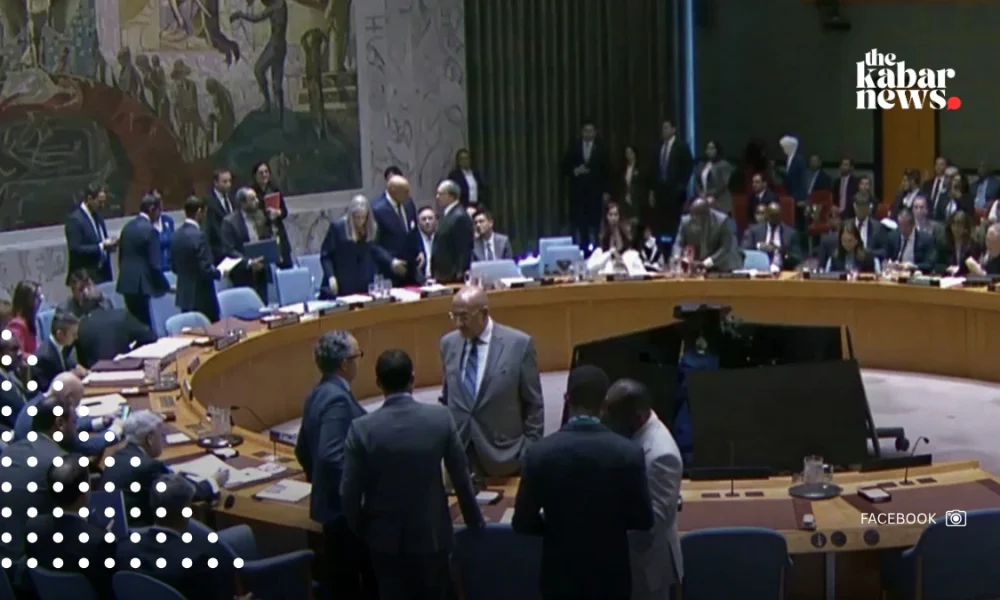
Thekabarnews.com—Russia and China have stopped a United Nations Security Council resolution that would have made it possible for ships to freely pass through the Strait of Hormuz again. As tensions in the area rise, the situation has made the divisions in the international community even worse.
Bahrain put forward the draft resolution. The aim was to address rising concerns about how the fighting in Iran is affecting shipping and energy supplies around the world.
The Strait of Hormuz is one of the world’s most important maritime chokepoints. Its stability is crucial for international markets because it handles a large share of global oil shipments.
According to diplomatic sources, Iran has effectively limited access to the strait by attacking ships that try to cross it. These things have messed up shipping routes and made people worry about the economy as a whole. In particular, people worry about the oil supply chains around the world.
The first draft of the resolution said that member states could use “all necessary means” to make sure that ships could safely pass through the strait. But negotiators changed the wording a lot to try to get more support. This was especially true from Russia and China, who can both block decisions in the Security Council.
The new version told countries to work together to keep shipping safe and secure. It also told Iran to stop attacking ships that were carrying goods and civilian infrastructure.
Despite these changes, Russia and China continued to reject the plan. Pakistan and Colombia abstained from voting. Other council members were worried that they still could not agree on important global security issues.
Diplomats say the veto shows how divided the world is over the use of force and how to settle regional disputes. Russia and China have always been against resolutions that could lead to war. They say that diplomatic solutions are the best way to go.
If the resolution fails, uncertainty in the Strait of Hormuz could last longer, affecting global trade and energy markets. Problems in the area have already made oil prices go up and down. They have also made people more worried about how stable the supply chain is.
The situation also highlights how the UN Security Council struggles to address complex international issues. This is especially true when major powers pursue conflicting objectives. As tensions stay high, calls for alternative dialogue and regional mediation are likely to grow louder.
As tensions persist, global stakeholders keep a close watch on developments and acknowledge the risks that escalation in the Strait of Hormuz poses to global stability.



No Comment! Be the first one.