



From Hoegeng to Kiai Modjo, Prabowo honors 19 heroes
JAKARTA, The Kabar News—President Prabowo Subianto awarded Indonesia’s National Hero title to 19 late public figures at the State Palace in Jakarta on Tuesday, Nov. 10, recognizing contributions that...

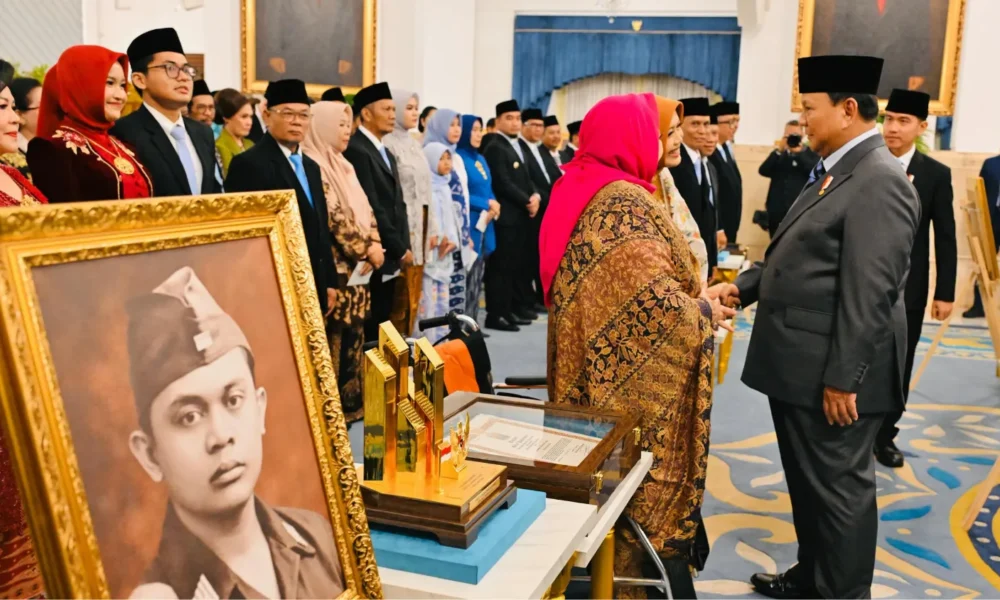
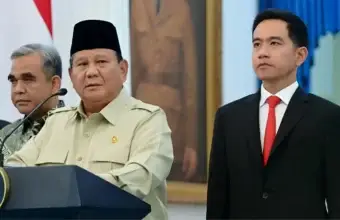
JAKARTA, The Kabar News—President Prabowo Subianto awarded Indonesia’s National Hero title to 19 late public figures at the State Palace in Jakarta on Tuesday, Nov. 10, recognizing contributions that ranged from armed resistance and diplomacy to literature and public administration.
The ceremony coincided with National Heroes Day, which Indonesia observes annually to commemorate the Battle of Surabaya on Nov. 10, 1945. Prabowo led a moment of silence before presenting the awards to the recipients’ heirs.
“Let us observe a moment of silence to remember and honor the souls and services of the nation’s heroes who sacrificed their lives and bodies for Indonesia’s independence, dignity and progress,” Prabowo said, according to a statement published by the State Secretariat.
Read also: PSI denies Ahmad Ali resignation rumor as a hoax
The 2026 recipients were:
- Former national police chief Hoegeng Iman Santoso
- Economist and Bank Negara Indonesia founder R.M. Margono Djojohadikusumo
- Former prime minister Ali Sastroamidjojo
- Maluku independence figure Abdoel Moethalib Sangadji
- Statesman Franciscus Xaverius Seda
- Writer Sutan Takdir Alisjahbana
- Former Jakarta governor Ali Sadikin
- Sultan Muhammad Ali Abdul Jalil Muazzam Syah
- Former armed forces commander Maraden Panggabean
- Maj. Gen. Soengkono
- Air Marshal Raden Suryadi Suryadarma
- Islamic scholar Muhammad Yusuf Hasyim
- Banten resistance figure KH Wasyid
- Diponegoro War commander Kiai Modjo
- Diplomat Mohamad Roem
- Islamic scholar KH Abbas Abdul Jamil
- Former defense minister Muhammad Jusuf
- Sultan Ibrahim Chaliluddin
- Lt. Col. Moch. Sroedji
The recipients represented several periods of Indonesian history. Ali Sastroamidjojo helped organize the 1955 Asian-African Conference, while Mohamad Roem played a central role in diplomacy during Indonesia’s independence struggle.
Read also: When Muhammad Ali met with Saddam Hussein in Baghdad
Hoegeng received recognition for his integrity and bureaucratic leadership, and Suryadi Suryadarma helped establish and develop the Indonesian Air Force.
The government selected the recipients through a multistage process. Regional research teams first examined the nominations before submitting them to the Social Affairs Ministry’s central assessment team.
The Council for Titles, Medals and Honors then reviewed the recommendations before sending them to the president. The State Secretariat said the process began with proposals from the regions.
Under Law No. 20/2009, candidates for national honors must demonstrate moral integrity, exemplary conduct and significant service to the country. The National Hero title applies to deceased figures whose actions contributed to achieving, defending or advancing Indonesia’s independence and national unity.
Read also: Mojtaba Khamenei named Iran’s supreme leader following death of Ali Khamenei
Relatives said the recognition should encourage younger Indonesians to preserve the values associated with the recipients.
Pudji Redjeki Irawati Sroedji, a daughter of Moch. Sroedji said the country’s independence came through enormous sacrifice.
“Our family hopes that the unity and integrity of the Republic of Indonesia will always be preserved because they were achieved through blood, tears and the sacrifice of body and soul,” she said in an official presidential statement.
You May Also Like: Sponsored Offers
Read also: Discover promotions available today
Hoegeng’s grandson, Krisnadi Ramajaya Hoegeng, expressed hope that the former police chief’s integrity would remain an example for future generations.
Meanwhile, Amaranila Lalita, Suryadi Suryadarma’s granddaughter, said his work to build the Air Force from the ground up showed that young people should not lose confidence when starting with limited resources.
The awards formally place the 19 figures within Indonesia’s nationally recognized historical record. Their longer-term significance, however, will depend on how schools and public institutions translate their experiences into lessons about integrity, public service and national unity.


No Comment! Be the first one.