



Bosch closes Israel’s AI research offices amid global restructuring efforts
Thekabarnews.com—German technology and engineering giant Bosch is closing its two research offices in Israel. This is a major change in the company’s global innovation strategy. It raises new...

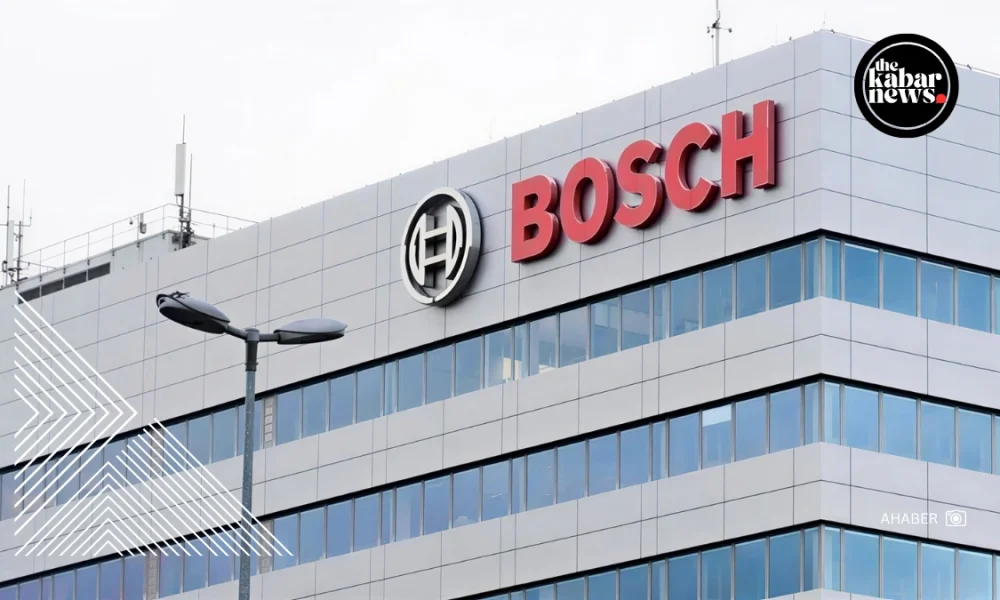
Thekabarnews.com—German technology and engineering giant Bosch is closing its two research offices in Israel. This is a major change in the company’s global innovation strategy. It raises new questions about the competitiveness of Israel’s technology sector.
Bosch is shutting its research centers in Tel Aviv and Haifa by the end of June 2026, reports say.
The facilities have been in operation since 2018 as part of the Bosch Center for Artificial Intelligence (BCAI). They are dedicated to artificial intelligence (AI), sensors, automation technologies, and advanced engineering research.
The move is Bosch’s first closure of a foreign research facility since the COVID-19 pandemic. Moreover, it is said to be the first known pullback by a major German company from Israel’s research and development ecosystem in recent years.
The company did not issue a public press statement about the decision. Management decided in December 2025 and informed employees in January 2026, said Matthias Jekosch, a corporate communications official at Bosch.
Economic and strategic reasons are the primary drivers behind the decision, Bosch said.
“AI development has been accelerating globally, and the expertise is converging in key innovation hubs in the U.S., China, and Europe,” company reps said.
Sources said Bosch is reshaping its research footprint to match new market opportunities, technology trends, and commercial priorities. In particular, the company is focusing on the rapidly growing field of physical AI.
The move is part of a broad overhaul of Bosch’s home market. In response to changing industrial conditions, digital transformation, and growing global competition, the company plans to shed some 20,000 jobs in Germany.
Bosch will close its research facilities but will maintain a commercial presence in Israel through several subsidiaries. These include BSH, Elmo Motion Control, and Bosch Ventures.
The closure is symptomatic of wider challenges facing Israel’s tech sector.
Many multinational corporations are reevaluating their exposure to operations in the region. This comes after the start of the Israel-Hamas war in October 2023.
Security concerns, workforce mobility issues, and geopolitical uncertainty have complicated long-term planning for multinational corporations.
“Many German researchers and professionals are not willing to move to Israel anymore, especially those with families,” said Andrea Frahm, head of the Tel Aviv office of Germany’s Helmholtz Association.
“The long-standing conflict makes it difficult to predict operations and hire internationally,” Frahm told the committee.
She added that many German companies will not open new offices in Israel. They will wait until they are more confident about long-term stability and business conditions.
It is a difficult time for Israel’s innovation ecosystem. Venture capital investment, startup funding rounds, and commercial technology transactions have all shrunk dramatically in the past few years.
Investment activity is at its lowest level since 2018. According to several industry reports, there is a confluence of global economic headwinds, higher interest rates, and ongoing regional tensions.
Israel continues to be one of the world’s technology hubs, particularly in cybersecurity, software development, semiconductors, and defense technology.
To keep its edge, it will need to restore investor confidence and build a stable environment for international partnerships.
It appears the shutdown is part of a broader plan by Bosch. The company wants to concentrate resources on markets and research centers with greater scale and longer-term growth potential.
Bosch’s move may be an important signal of the growing importance of geopolitical and economic considerations in corporate investment decisions. As a result, multinational technology companies balance their global operations in the global innovation economy.






No Comment! Be the first one.