



Teen sleep crisis deepens as new study shows record-low rest among adolescents
Thekabarnews.com—Many teenagers across the globe are sleeping less than they ever have, a new study reveals. There is a worrying drop in sleep seen in adolescents of all age groups. Researchers say...

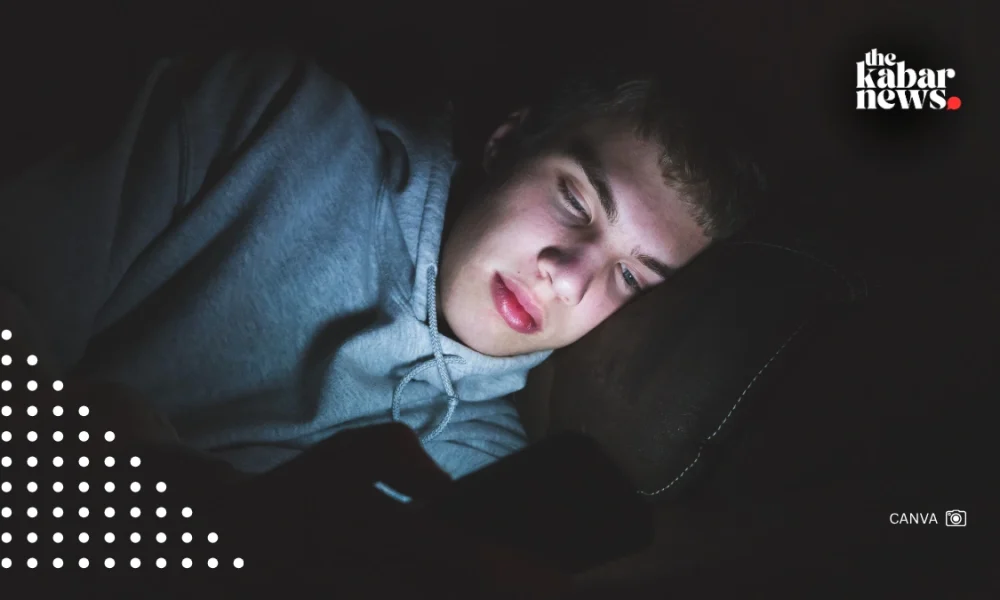
Thekabarnews.com—Many teenagers across the globe are sleeping less than they ever have, a new study reveals. There is a worrying drop in sleep seen in adolescents of all age groups.
Researchers say today’s teens consistently report getting less sleep than teens of previous years. The steepest drop-off is among older teens.
The study found record lows in sleep levels across all categories of teens studied, as quoted by The Guardian.
Only 22 percent of older teens said they got at least seven hours of sleep per night. Health experts recommend far more sleep to support healthy physical and mental development.
The findings suggest a rising public health concern beyond just fatigue, researchers said.
Rachel Widome, the study’s lead author, said homework and extracurricular activities are no longer the only reasons that teens are up late at night.
Major contributing factors are social media use, digital dependency, and overall societal stress.
“Society-wide stressors” like the COVID-19 pandemic, social unrest, and increased anxiety about public safety and militarized policing have added to adolescent sleep problems, Widome said.
It’s widely known that teens have a natural tendency to want to stay up later. Health experts say it’s part of normal adolescence.
However, excessive screen time, constant scrolling through social media, and relentless digital stimuli exacerbate the problem.
The research showed that sleep time slowly decreases as teens get older.
At the same time, teenagers feel far less well-rested as they move from early adolescence into their late teen years.
A second recent survey of high school students reached similar disturbing results.
One-quarter of students said they had enough time to meet only basic daily needs, such as sleep, eating, and personal hygiene, only two days or less a week.
Sleep deprivation impacts much more than just your energy levels. Not getting enough sleep on a regular basis can hurt your concentration, memory, ability to regulate emotions, and academic performance.
Researchers have also linked poor sleep to higher risks of anxiety, depression, obesity, cardiovascular disease, and other chronic illnesses later in adulthood.
Sleep is becoming one of the most overlooked pillars of adolescent well-being. Sleep deprivation can affect the teen’s ability to handle stress, control emotions, and maintain healthy relationships.
The findings have sparked new conversations about school schedules, digital habits, and the pressure modern teens feel to balance academics, social expectations, and online life.
Now some education and health experts are calling for more aggressive intervention, including later school start times, less academic overload, and more awareness about healthy screen use before bedtime.
The problem cannot be dismissed as just a normal part of adolescence. Teenagers around the world are still losing sleep, researchers say.
Rather, they say, society may be seeing the birth of a larger youth health crisis—one that is quietly unfolding behind glowing screens and late-night pings.






No Comment! Be the first one.