



WHO declares global health emergency over rare Ebola outbreak in Central Africa
Thekabarnews.com—The World Health Organization (WHO) has declared a Public Health Emergency of International Concern (PHEIC) over a rare Ebola outbreak that’s spreading through Central Africa. In...

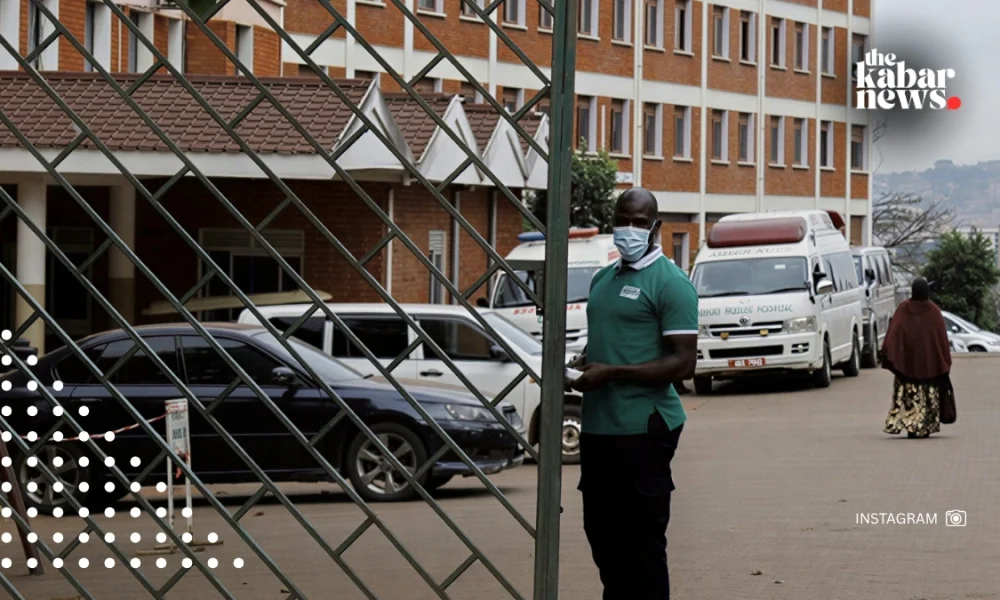
Thekabarnews.com—The World Health Organization (WHO) has declared a Public Health Emergency of International Concern (PHEIC) over a rare Ebola outbreak that’s spreading through Central Africa. In addition, it has issued an urgent warning about the deadly Bundibugyo strain of the virus.
WHO Director-General Tedros Adhanom Ghebreyesus declared the emergency on May 17. This declaration followed a rapid rise in suspected cases in the eastern Democratic Republic of the Congo. Meanwhile, there was also a confirmed spread across the border into neighboring Uganda.
The outbreak has concentrated in Ituri Province in eastern Congo. Here, at least 80 suspected deaths and nearly 250 suspected cases have been reported as of 16 May, according to WHO data. Additionally, there have also been more confirmed infections in Uganda. This raises concerns about regional spread.
The outbreak is of the Bundibugyo virus, a rare strain of Ebola. Experts consider it especially challenging because there is currently no approved vaccine or specific treatment for this strain.
Bundibugyo is much less studied and much more difficult to control than the more common Zaire strain of Ebola. Unlike other strains, the Zaire strain has approved vaccines and well-established treatment options.
The World Health Organization said the outbreak was serious, but the situation did not yet meet the threshold for a full pandemic emergency under international health regulations.
But the organization said the threat of further spread remains high, especially among countries bordering Congo. In those countries, people often cross borders, and health systems often strain under the pressure.
Health experts told USA TODAY and other international media that they have largely contained the outbreak in Central Africa. Furthermore, they said the immediate risk to Americans is still low at this time.
The U.S. Centers for Disease Control and Prevention, or CDC, reportedly has started emergency monitoring and travel advisories for the affected areas.
Armed conflict and instability in eastern Congo, where people have limited access to health care, have made it more difficult to control the outbreak by limiting the movement of patients, workers, and displaced civilians. For this reason, it is harder to trace and contain.
The detection of some cases in large urban areas such as Goma and Kampala has also heightened international fears of faster regional spread.
WHO officials said they declared the emergency “swiftly” because the outbreak posed unique risks. In addition, medical teams lacked effective tools to treat this strain of Ebola.
This is one of the fastest international emergency responses to an Ebola outbreak in recent times.
Public health experts say early international coordination, better diagnostics, border surveillance, and support for local treatment will be key. This will help stop the outbreak from getting worse.
Currently the world’s attention is on Central Africa, where health officials are battling to contain one of the deadliest and least understood outbreaks of Ebola in recent history.





No Comment! Be the first one.