



7-Eleven to close 645 stores across North America in strategic 2026 business reset
WASHINGTON, Thekabarnews.com—7-Eleven is set to undertake one of its biggest operational changes recently. The company has announced plans to close 645 stores across North America during its fiscal...

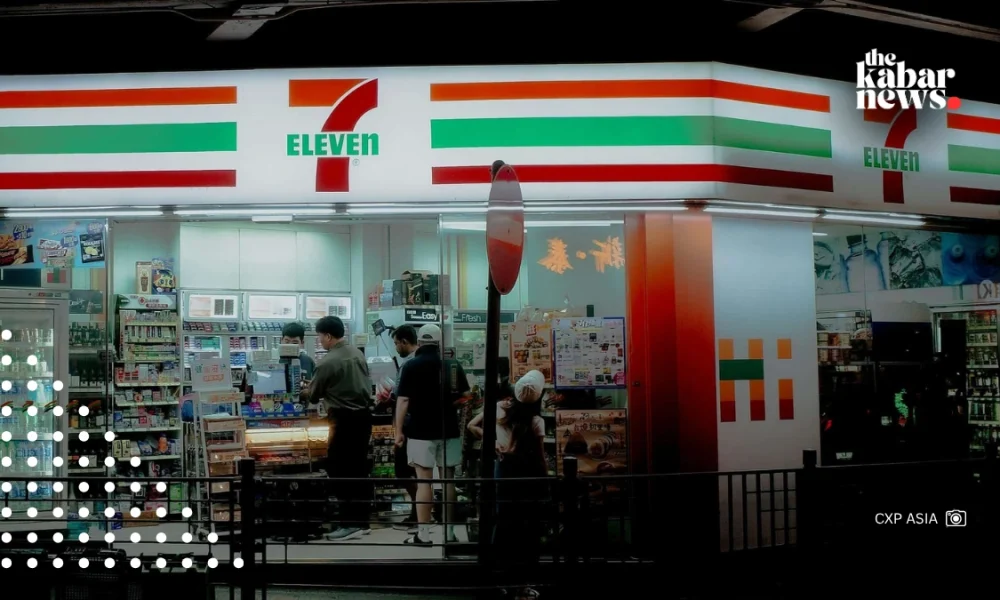
WASHINGTON, Thekabarnews.com—7-Eleven is set to undertake one of its biggest operational changes recently. The company has announced plans to close 645 stores across North America during its fiscal year 2026. This is part of a broader strategy to modernize its business and stay competitive in a rapidly changing retail landscape.
It may seem like a massive downsizing. However, company analysts say it’s a strategic reset, not a reduction in the number of stores.
At the same time, the convenience store behemoth plans to open approximately 205 new locations. Many of these new sites will be larger, more modern, and focused more on foodservice than traditional convenience retail.
This reflects changing consumer habits. Consumers now seek fresh food options and ready-to-eat meals. They also want an ever-expanding range of services beyond just snacks and fuel stops.
Some of the sites marked for closure won’t disappear entirely. Instead, the company plans to turn some full-service convenience stores into gas-only locations. This way, the brand can optimize operations based on local demand and profitability.
This enables 7-Eleven to eliminate underperforming retail space while still generating fuel revenue and holding strategic real estate positions.
Competition has grown much fiercer among convenience stores across North America.
Consumers now expect faster service, digital payment options, app-based rewards, delivery partnerships, and better quality food.
Traditional convenience stores that do not evolve are at risk of losing customers. They may lose out to supermarkets, fast-food chains, and specialist fuel station retailers.
7-Eleven’s decision is part of a larger trend across the retail sector. Companies now focus on efficiency, data-driven location strategy, and customer experience over sheer store count.
Generally, larger outlets with better food programs tend to generate higher long-term revenue than smaller conventional outlets.
Grocery stores also give companies a way to compete more directly with quick-service restaurants and coffee shops. In addition, grocery offerings help expand revenue streams beyond fuel and packaged goods.
The move comes amid continuing pressure on retailers across the U.S. and Canada. Factors include inflation, labor costs, and changing shopping habits.
Investing in a few good stores yields a better return than investing in hundreds of poor ones. The company’s transformation is not a retreat but a repositioning.
Shuttering 645 stores and opening 205 new ones is a calculated move. The goal is to rebuild the brand on future consumer expectations rather than past operating models.
For customers, the visible change might be fewer older neighborhood stores. However, they can expect larger sites with broader food menus, more modern facilities, and stronger digital convenience.
The strategy is a gamble by the company that quality and efficiency will trump sheer footprint.
The convenience retail industry is constantly changing. 7-Eleven is clearly stating that the key to survival isn’t the number of stores but how relevant each individual store is.






No Comment! Be the first one.