



Why your dollar feels smaller: How inflation quietly cut purchasing power by 30%
WASHINGTON, Thekabarnews.com—For many Americans, it feels like their money is disappearing faster than ever. The truth is a bit more complicated: the dollar itself has been quietly losing a lot of...

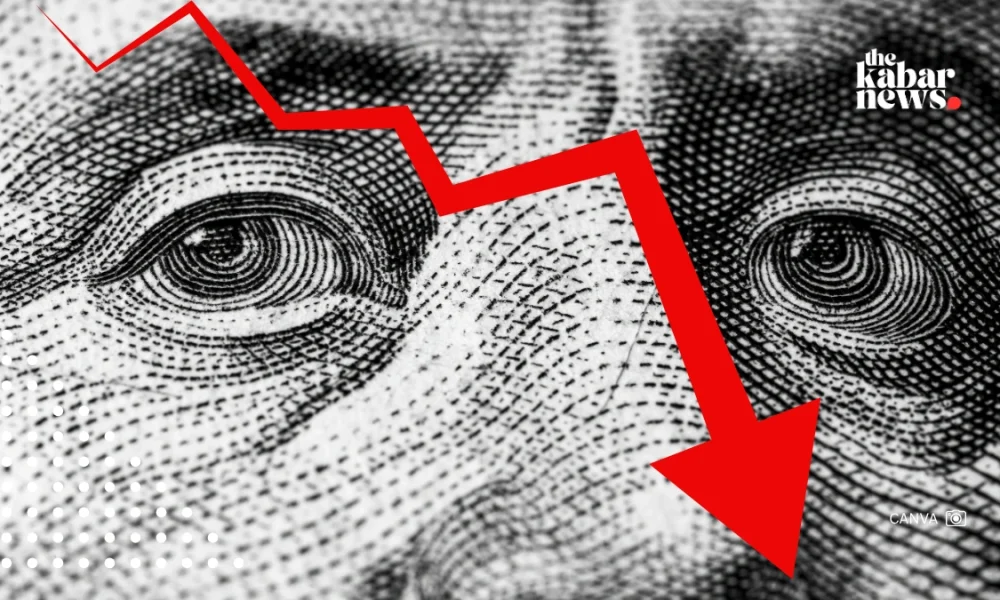
WASHINGTON, Thekabarnews.com—For many Americans, it feels like their money is disappearing faster than ever. The truth is a bit more complicated: the dollar itself has been quietly losing a lot of its purchasing power.
Inflation has eaten away nearly 30 percent of the value of the U.S. dollar in the past six years. This means that the same amount of money buys much less today than it did in 2019.
There was no dramatic collapse, no sudden financial shock, no obvious warning.
Inflation, however, worked slowly. Grocery bills are higher. Rent is more expensive. Cars cost more. Housing prices do not meet old expectations.
Inflation is one of the most insidious forms of financial erosion. This issue doesn’t get daily coverage.
Inflation increases gradually, with prices appearing only slightly higher over time. Eventually, one day the total at the checkout register feels completely disconnected from what we remember.
A simple example shows the magnitude of the change. $100 in 2019 at the grocery store is now worth about $143.
An apartment that rented for $1,500 a month might now rent for more than $2,100.
A $35,000 car can easily turn into a $50,000 car. Similarly, a $300,000 starter home can suddenly be listed at over $430,000.
In real terms, most of the big costs have increased by around 43 percent. However, salaries have not always kept pace.
For many families, especially those with lower and middle incomes, inflation has outpaced wage growth.
Though nominal wages may have risen, the real wage growth for many workers has been much weaker. This means wage growth after taking inflation into account is not enough.
So people are technically making more money, but it’s purchasing less. The greatest burden falls on those with the least financial cushion.
For families already squeezed on tight budgets, every price increase cuts deep, especially for food, transportation, rent, and health care.
However, inflation penalizes idle money. During the years when inflation was between 5 and 9 percent, money in a regular savings account that earned half a percent a year lost real value every month. Instead of just growing slowly, it actually decreased in purchasing power.
If the cost of living goes up faster than your savings earn interest, your purchasing power goes down. This scenario happens even if your bank account balance stays the same.
This phenomenon is why long-term financial planning must do more than just save cash.
Historically, some things like stocks, real estate, and business ownership have provided better protection. This is because they can grow faster than inflation reduces the value of the currency.
None of these assets are risk-free. However, they provide a better chance of maintaining long-term wealth than money that is left to do nothing.
The lesson is becoming clearer: inflation doesn’t have to take money out of your wallet to make you less rich. It just needs time.
The greatest financial loss in the past six years for millions of Americans was reflected not in their bank account balance, but in their overall economic well-being. Instead, we saw what that balance could no longer buy.
No one stole the dollar. Still, if money stood still while prices kept moving, many people now understand it may have felt exactly the same.






No Comment! Be the first one.