



Indonesia halts imports of key food commodities, strengthens food security in 2026
Thekabarnews.com—The Indonesian government has taken a giant step toward food self-sufficiency. It resolved to stop importing seven key commodities by 2026. This signals stronger food security and...

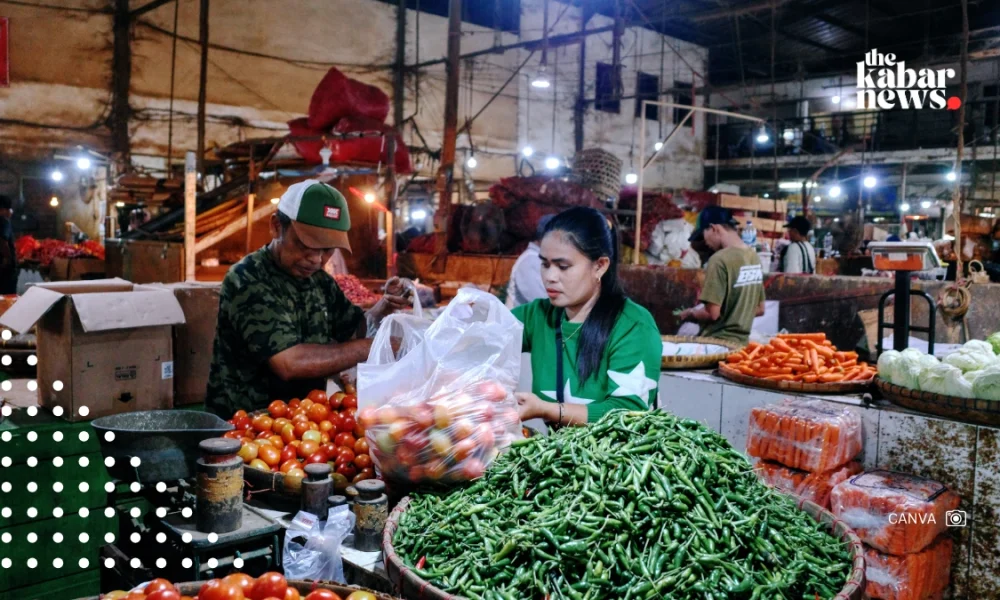
Thekabarnews.com—The Indonesian government has taken a giant step toward food self-sufficiency. It resolved to stop importing seven key commodities by 2026. This signals stronger food security and greater reliance on domestic production.
The National Food Agency (Bapanas) said the government no longer imports rice, corn, shallots, chile, chicken meat, eggs, and sugar. Officials said local crops now meet domestic consumption needs for these critical necessities.
“The country has strong rice output, which has brought a big surplus,” stated Bapanas Deputy I Gusti Ketut Astawa. Indonesia produces 34.7 million tons of rice per year. Meanwhile, consumption is at 31.1 million tons and is expected to have a stock carry-over of up to 16 million tons by 2027.
The government has instructed the State Logistics Agency (Bulog) to prioritize local procurement in favor of local farmers. The Bulog has well over four million tons of rice in its stockpiles. Furthermore, it aims to buy another four million tons from local farmers.
This strategy is in keeping with the zero-import policy on rice in Indonesia. It considers the national production capacity the only source.
“Indonesia has been able to attain self-sufficiency in main food types, especially in carbohydrates and protein,” stated the Indonesian agriculture minister, Andi Amran Sulaiman. Some sectors have already produced more than the country needs, he said.
Chicken meat production, for instance, was 4.29 million tons, which is more than the domestic demand of 4.12 million tons. Egg production significantly exceeded consumption levels, further improving food supply across the country.
Indonesia achieved another milestone in cutting dependency on foreign supply by halting feed maize imports from 2025.
The government is still trying to improve domestic production of the remaining imported commodities like soybeans, garlic, and beef. The aim is to become fully self-sufficient in food.
Officials added that efforts to improve domestic agriculture are a high priority not only for food security but also to help farmers. Additionally, these efforts help stabilize prices in the local market.
The effort is part of Indonesia’s broader plan to construct a resilient and self-sufficient food system. This plan can weather global supply disruptions and price volatility.
Indonesia is emerging as a growing agricultural force in the region. The government is boosting production capacity and shoring up supply systems.
But officials are optimistic that sustained efforts will cut dependency on imports and assure long-term food sustainability.
Recent developments underscore Indonesia’s commitment to achieving full food independence and promoting economic growth via a robust agriculture sector.





No Comment! Be the first one.