



Indonesia’s plastic industry faces pressure as raw material costs jump 50 percent
Thekabarnews.com—Disruptions in global supply chains following tensions in the Middle East have begun to impact Indonesia’s plastic industry. Rising raw material costs and supply shortages are...

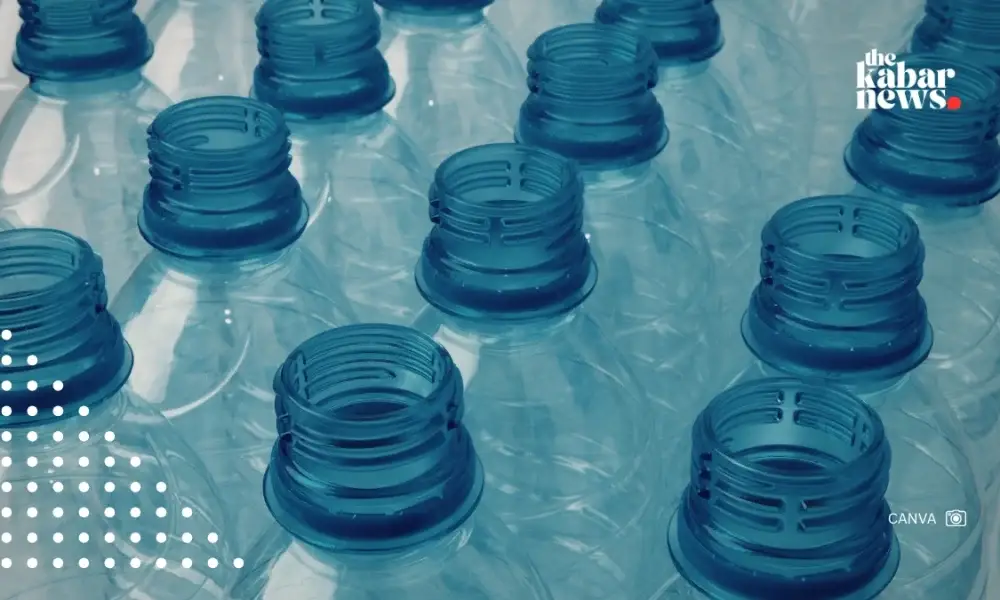
Thekabarnews.com—Disruptions in global supply chains following tensions in the Middle East have begun to impact Indonesia’s plastic industry. Rising raw material costs and supply shortages are placing increasing pressure on manufacturers.
Concerns are growing over the Strait of Hormuz, which handles a large share of global oil and gas flows. Workers say raw material prices have risen 40 to 50 percent due to harder access and riskier delivery. It could mean that companies stop making things because they have to pay more.
Indonesian Downstream Plastics Producers Association (Aphindo) chairman Henry Chevalier stated that worries about the long-term supply could significantly impact the number of jobs and production capacity.
“If the trend keeps up, businesses might not be able to pay their workers and stay open,” Henry said. He also said that some companies have already started firing people, but job losses remain limited.
Rising geopolitical tensions and risks to trade routes have made it difficult to pass through the Strait of Hormuz. As a result, shipping capacity is reduced.
As shipping costs rise and logistics become more complex, businesses struggle to secure goods, weakening supply chains and slowing operations.
China, Thailand, and Vietnam are prioritizing their needs over others, but it’s still vital to get goods to them. As a result, countries such as Indonesia struggle to obtain essential supplies.
Rising raw material costs have increased prices for plastic products such as food packaging, beverage containers, and pharmaceutical materials. In addition, experts warn the trend could drive inflation higher.
Aphindo also said that they are distressed about how Indonesia’s petrochemical industry works. It still needs to import nearly half its raw materials to meet demand.
Aphindo has asked the government to pass laws that will help keep the supply steady and make the industry more competitive. Aphindo especially likes laws that do not have tariffs. Those involved say it’s crucial to change policies now to prevent future issues.
This situation shows how quickly trade between countries can stop when there are political problems. People who work for companies that buy things from other countries still worry a lot about what happens there.
This is because problems in other places can have a big impact on how businesses work and how their supply chains work. Consequently, this leads to delays, increased costs, and potential shortages of goods.
Given the uncertainty, businesses and policymakers are closely monitoring the situation. They want to find ways to keep businesses going and lower the risks. When the plastics industry is stable, the economy stays strong and jobs are safe.





No Comment! Be the first one.