



PolitiFact: Only 3 percent of Trump statements true, lying at average rate of 21 times daily
Thekabarnews.com—PolitiFact conducted an in-depth study. It revealed that a limited number of statements made by President Donald Trump received a completely true rating. As a result, the report...

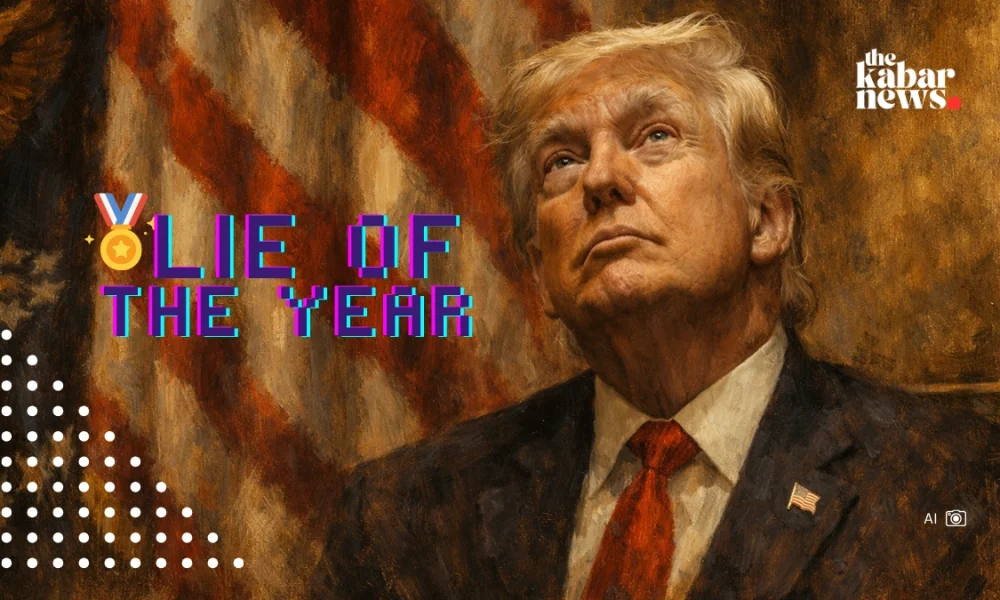
Thekabarnews.com—PolitiFact conducted an in-depth study. It revealed that a limited number of statements made by President Donald Trump received a completely true rating. As a result, the report raises ongoing concerns about false information in political discourse.
The fact-checking group linked to the Poynter Institute did the study. They looked at more than 1,147 public statements made by Trump up to the most recent update. The study revealed that only 36 of these statements, approximately 3 percent, were deemed “true.”
The results indicate that most of Trump’s claims got unfavorable ratings. PolitiFact says that about 78 percent of the statements were “mostly false,” “false,” or “pants on fire.” This means they were not only wrong but also silly or misleading.
The study adds to the growing number of people who are looking closely at what Trump said in public before and after he was president.
PolitiFact named Trump “Lie of the Year” several times, in 2015, 2017, and 2019. This indicates that people were worried about how true his claims were.
The Washington Post Fact Checker has more data that supports this trend. The outlet kept track of more than 30,000 false or misleading things Trump said while he was president from 2017 to 2021. Additionally, the report says that Trump averaged about 21 false claims every day for four years.
Reports indicate a rising trend in the number of false or misleading statements over time. During his first year in office, Trump made an average of six of these claims every day. By his last year in office, that number had risen to about 39.
The results show how important it is to check facts in modern political communication. This is especially true now that information spreads quickly through digital platforms. Moreover, they also show how challenging it is for voters to tell the difference between true information and false stories.
Supporters of Trump regularly criticize fact-checking organizations for alleged bias. However, researchers stress that these groups use clear methods and data that is open to the public.
The report finds that people all over the world are concerned about false information. There is still a lot of debate between governments, the media, and civil society about the best way to guarantee that political messages are true and accountable.






No Comment! Be the first one.