



Indonesia’s nickel boom raises alarm over environmental and safety risks
Thekabarnews.com—A new report has raised serious concerns over the rapid expansion of Indonesia’s nickel industry. It warns that the sector’s accelerated growth and adoption of new processing...

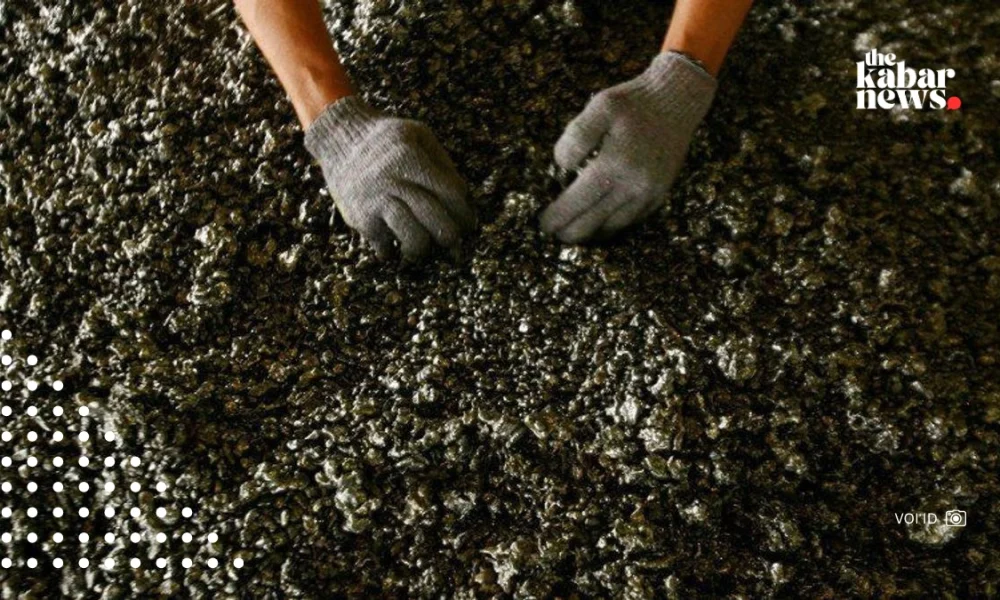
Thekabarnews.com—A new report has raised serious concerns over the rapid expansion of Indonesia’s nickel industry. It warns that the sector’s accelerated growth and adoption of new processing technologies could trigger catastrophic infrastructure failures. In addition, environmental damage may occur.
Earthworks published the study, highlighting the challenges of keeping rules in sync with the industry’s growth. The report is called “Filtered Tailings in Indonesia: Catastrophic Failure of a Disruptive Technology.”
The report states that current practices are killing workers, endangering nearby communities, polluting water, disrupting production, and potentially causing greater losses in the future.
Earthworks’ mining program director Ellen Moore stressed how important it is to act quickly to stop more damage. She asked the government to stop making things for a while and stop putting new waste in tailings facilities. She said businesses and regulators should act until they can ensure safety.
Indonesia has rapidly increased its nickel production from 130,000 metric tons in 2015 to 2.31 million metric tons in 2024. This has boosted its global share from 5.7 percent to more than 62 percent. The main reason for this increase is that more people want batteries for their electric cars.
High-Pressure Acid Leaching (HPAL) uses sulfuric acid, high temperatures, and high pressure to extract nickel, and it has played a major role in driving the industry’s growth. However, the process makes a lot of trash that is detrimental for the environment.
Producers generate about 133 tons of toxic tailings for every ton of nickel they produce. This waste is a big danger to people’s safety and the environment.
These tailings are becoming more dangerous, harder to deal with, and very corrosive. Tanah Merdeka foundation director Richard Labiro said that Indonesia’s tailings facilities are “a disaster by design.” He also said that more than 40 workers have died in one industrial area since 2015. This incident happened because it is so dangerous.
People are even more afraid now that the incident has happened. Last month, a tailings facility at the Indonesia Morowali Industrial Park (IMIP) collapsed. This disaster killed a worker and forced a temporary halt in production.
Heavy rainfall triggered a similar accident in March 2025 that killed three workers. Additionally, satellite images and videos suggest other incidents may have gone unreported.
The report’s technical findings show that many tailings facilities—especially on Obi Island in North Maluku—are over capacity and structurally unstable.
The trash is even less stable because the amount of water in it changes all the time. This makes it more likely that everything will fall apart at once.
If such an event happens, trash that could be dangerous could flow into rivers nearby. Eventually, it could end up in the Maluku Sea.
This kind of thing would harm ecosystems and coastal communities, like Kawasi Village, where people live. The report also found that harmful chemicals such as boron, chromium-6, and nickel have contaminated drinking water sources.
Putting trash in the ocean or building big dams to keep it there are other ways to get rid of it. Unfortunately, these methods have long-term effects on the environment.
Indonesia’s heavy rains and earthquakes are still very dangerous. This statement is true even though filtered tailings, which have less water, may be a safer option.
The report says that no new tailings facilities should be built and no new permits should be given out until the rules about safety are made stricter.
It also says that people who do not work on the project should check for safety. Besides that, people who live in the affected areas should be able to help plan for and respond to emergencies.
The Indonesian Forum for the Environment (WALHI) has said that nickel mining is hazardous for people and the environment. Residents of Sorowako and Obi Island report that flooding forces them to evacuate their homes. In addition, the air and water are dirty.
As Indonesia plays a growing role in the global energy transition—particularly in supplying materials for electric vehicles—the country must balance economic growth, environmental protection, and public safety.
The report warns that Indonesia’s nickel industry could quickly trigger a major environmental and humanitarian disaster if authorities fail to act immediately.




No Comment! Be the first one.