



Energy shock hits Southeast Asia, Philippines closed more than 400 gas stations
Thekabarnews.com—The area is having trouble getting enough oil from the Philippines to Vietnam because of problems with the supply chain and political tensions that are affecting how oil is made and...

Thekabarnews.com—The area is having trouble getting enough oil from the Philippines to Vietnam because of problems with the supply chain and political tensions that are affecting how oil is made and sent out.
Southeast Asia is currently experiencing one of its worst energy crises in a long time. The US, Israel, and Iran’s growing anger is causing problems in the Strait of Hormuz. The situation makes it harder for oil to get to its destination.
The strategic waterway, a major shipping route for energy around the world, has faced many problems due to geopolitical conflict. Markets all over the world are having a challenging time because of the blockade.
As oil prices go up and costs at home go up, governments in Southeast Asia are working hard to find other ways to get fuel.
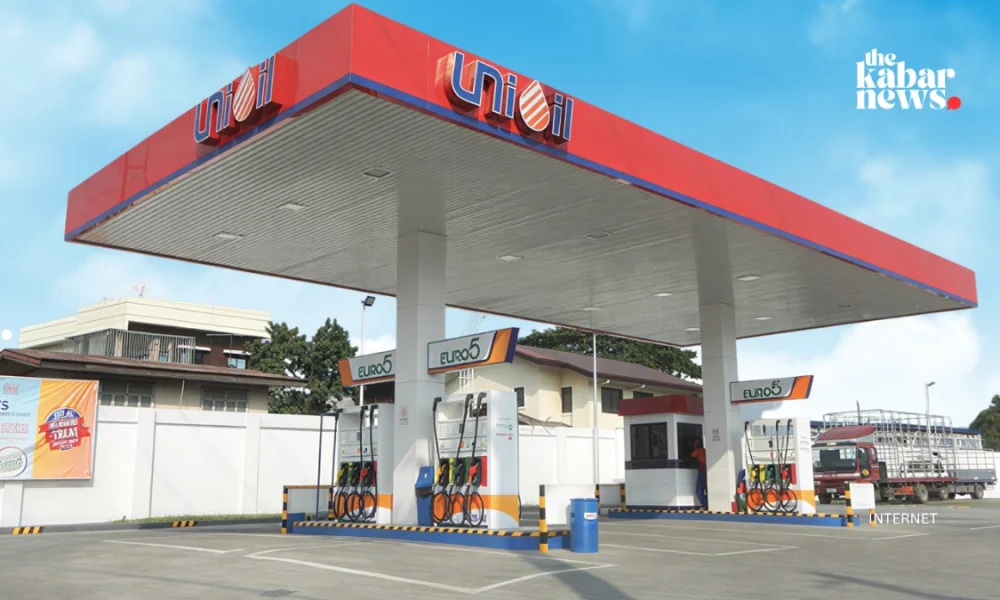
The Philippines appears to have suffered the most. The country has had many problems with fuel shortages because it gets almost all of its oil from the Middle East. More than 400 gas stations have closed because they do not have enough gas.
Reports say that diesel prices have also gone up a lot and are now over 100 pesos per liter. Energy officials have said that the country’s reserves could run out rapidly if there are more supply problems.
Philippine Energy Secretary Sharon Garin said the country could face a total shortage if the situation worsens. This report shows how dire things are at the moment.
The crisis is making it challenging for the Malaysian government to handle its money, even though the country makes oil. The government has been giving people a lot more money to help them pay for gas.
In just one week, the amount went from RM700 million to RM3.2 billion. That is why they want to keep prices from going up.
Vietnam has also acted quickly to resolve the problem. Because the price of oil around the world briefly rose to about US$120 per barrel, the government has changed the prices of gas at stores several times in just a few days.
Analysts warn that continued instability in the Strait of Hormuz could further disrupt supply chains and drive energy costs higher across the region.
Such developments may also contribute to broader economic challenges, including inflation and increased transportation expenses.
As the crisis goes on, regional governments are feeling more and more pressure to find a way to keep prices low for the people, keep the budget stable, and make energy safe.
This situation shows how things that happen outside of Southeast Asia can easily affect the region. It also shows how important it is to locate new sources of energy for the long term.





No Comment! Be the first one.