



US gas prices surge 21 percent amid Iran war, $100 per barrel
Thekabarnews.com—Gas prices in the US have gone up a lot in the past few weeks. The Middle East is getting more tense, and the situation is affecting everyone. For example, prices for gas are going...

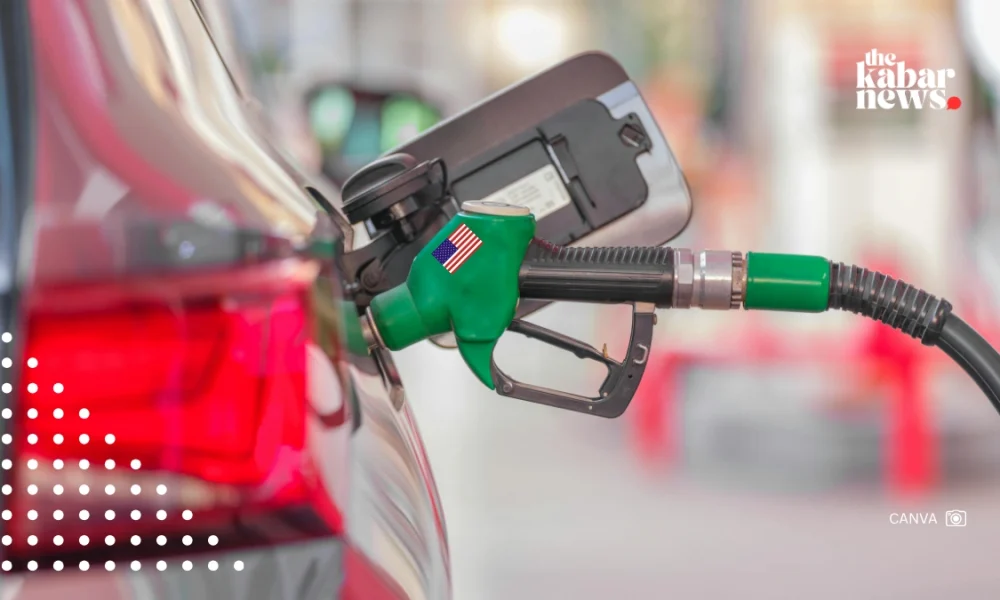
Thekabarnews.com—Gas prices in the US have gone up a lot in the past few weeks. The Middle East is getting more tense, and the situation is affecting everyone. For example, prices for gas are going up, and the economy is getting less stable.
This situation impacts markets all over the world. A gallon of regular unleaded gas costs about $3.60 in the US. Since February 28, it has gone up by 21 percent.
On Feb 27, the day before the US and Israel started bombing Iran, gas cost about $2.98 a gallon. Since then, oil markets all over the world have reacted strongly, and the price of crude oil has gone up to about $100 a barrel.
The rise shows how quickly changes in geopolitics can affect energy markets, especially in places that are important for the world’s oil supply.
Prices have gone up because people are worried that the war could hurt factories and important shipping routes. Such a scenario could lead to supply shortages and drive up prices for both businesses and consumers.
If things stay tense or become worse, gas prices could keep going up. Rising gas prices also impact non-drivers.
Rising gas prices also impact the entire economy by increasing transportation expenses, which may lead to higher prices for many goods and services.
When gas prices go up, car and money experts have great tips for how to save money at the pump. You can save money on gas by checking prices on your phone, paying with cash when you can, and taking care of your car.
Driving well is also crucial. Drivers can save money and gas over time by speeding up smoothly, keeping a steady speed, and not making extra trips.
These steps may not fully offset the higher prices, but they can help families pay for more expensive energy.
The current situation demonstrates the close interconnection of the world’s energy markets, where political changes can swiftly impact people’s finances.
As the war continues, both market observers and government officials are closely monitoring price fluctuations. They want to know how long the increase will last and what it means for the broader economy.





No Comment! Be the first one.