



Malaysia plans first rocket launch pad in Southeast Asia by 2029
Kuala Lumpur, Thekabarnews.com—Malaysia is getting closer to its goal of being the first country in Southeast Asia to have a place to launch rockets and run it. They are looking at three...

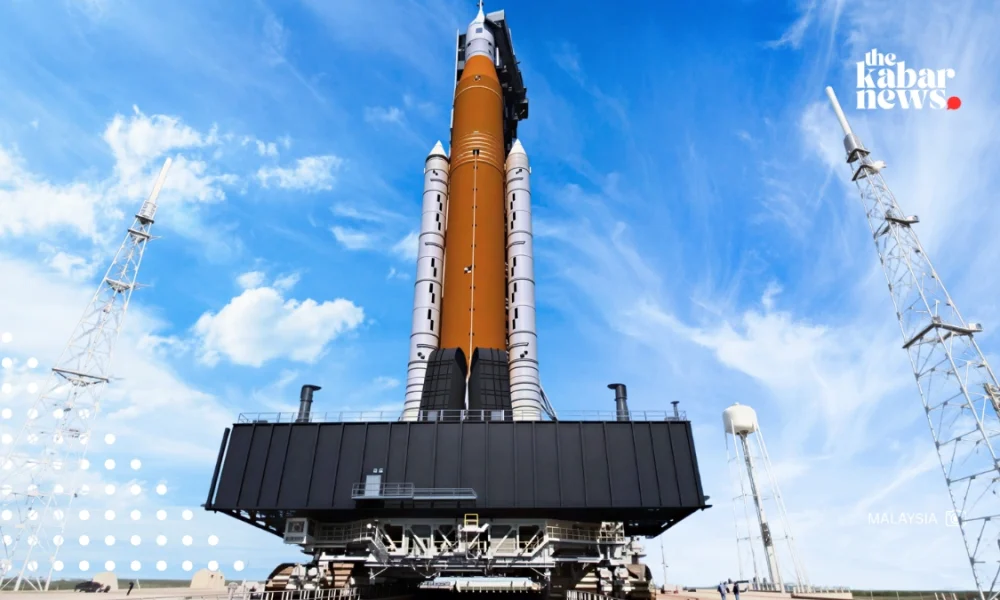
Kuala Lumpur, Thekabarnews.com—Malaysia is getting closer to its goal of being the first country in Southeast Asia to have a place to launch rockets and run it.
They are looking at three different places in Sarawak, Sabah, and Pahang. The project is expected to be completed by 2029.
The National Space Policy 2030 is Malaysia’s long-term plan to move up in the global space industry. This is a beneficial first step for the project.
Head of the Malaysian Space Agency, Azlikamil Napiah, said that the project could have a big effect on the economy. It could possibly add more than RM10 billion (about US$2.37 billion) to the gross domestic product.
Malaysia is a wonderful place to live because it is close to the equator. Launching rockets from here is better because they use less fuel than launching them from places that are farther away from the equator.
Only a few countries have this benefit, which makes it a valuable asset in the space launch market. This location allows for more efficient rocket launches, particularly for strategically located nations like Malaysia near the equator.
Both the public and private sectors will pay for the planned launch site. Construction will begin in early 2029, but only if all the necessary permits are in place.
Malaysia is also working on bigger projects, such as a “space city,” a national earth observation satellite, and commercial launch services. These are in addition to the launch pad.
People from both inside and outside the country are beginning to care about the project. Officials said that at least three groups have said they are interested. One of them has even sent in a full report on how likely it is.
Foreign investors will need to work with local businesses and get permission from the state before they can start building anything.
This rule particularly applies to the intended use of the land. This rule prioritizes local regulations and community needs in the development process.
This deal is a big step toward bringing Southeast Asia into the global space economy. The economy is growing quickly because more people want to send satellites into space, get data services, and use technologies that work in space.
If the project goes through, Malaysia could become a center for new ideas in the aerospace and space industries.
It could also help the country’s technology and make it more competitive in business. This assertion is especially true in fields like telecommunications, agriculture, and environmental monitoring that need advanced satellite technology.
As Malaysia seeks to join the growing number of countries investing in space infrastructure, observers are closely watching how it handles regulatory, financial, and technological challenges.
Effective funding and strong regulatory frameworks are key to creating and implementing aerospace projects successfully.





No Comment! Be the first one.