



Netanyahu frames conflict as world war, but others do not
Thekabarnews.com—Israeli Prime Minister Benjamin Netanyahu says the Middle East war is part of a larger global conflict. He said that Israel is protecting itself while also fighting a bigger...

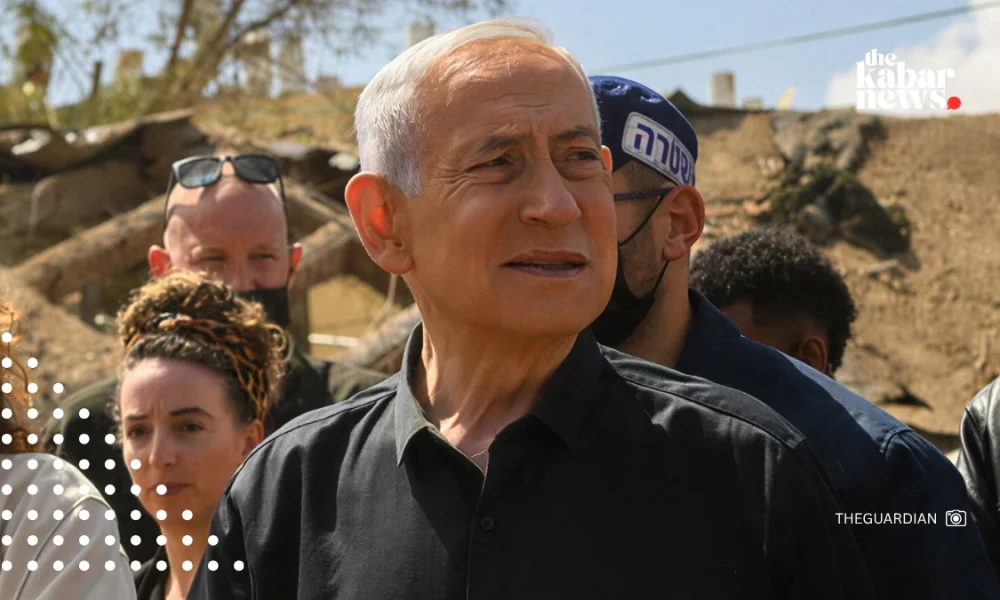
Thekabarnews.com—Israeli Prime Minister Benjamin Netanyahu says the Middle East war is part of a larger global conflict. He said that Israel is protecting itself while also fighting a bigger ideological threat.
Not too long ago, Netanyahu said that the war is not just about the area; it also puts people in danger all over the world. He said that Israel’s issues are not just with its people. Instead, they also involve global extremist groups that could destabilize the world and threaten security.
Those who agree say Israel is vital in the fight against extremist ideas and groups they see as a threat elsewhere. Moreover, they believe that what Israel is doing is part of a larger plan to keep the peace. This plan aims to stop instability from spreading to other areas.
However, those who disagree with the ideological framing of the conflict express concern. Some people think that talking like this could discourage people from communicating and oversimplify tough political issues.
Some people think that turning too many political issues into religious or ideological stories could make things worse in the area and around the world.
People are already angry, and these comments could exacerbate the situation. These issues might hinder the world’s ability to respond effectively and contribute to greater instability.
People in charge from all over the world still can’t agree on what to do. Some people want to be more aggressive, while others want to be more diplomatic and hold back. This creates a divide in international responses to global issues.
Such disagreement can impair countries’ ability to collaborate or discover solutions if they adopt different approaches. Analysts suggest that the framing of conflicts can alter global perceptions, collaboration, and rule-making.
If politicians can make the conflict seem like part of a bigger fight over ideas, they might be able to change how people think. In addition, they might change how the countries involved plan and act.
These kinds of fights would make things worse for the military and other people. In particular, they could lead to increased tensions, prolonged conflicts, and hindered diplomatic efforts aimed at resolving disputes peacefully.
These narratives will influence the peace process and shape cooperation between countries during times of heightened tension.
Evolving narratives around war and diplomacy increasingly shape public perception, making conflicts harder to interpret.
Military actions now intersect more closely with political messaging and global perceptions. As a result, observers must consider how these shifts shape public opinion and influence relations between countries.


No Comment! Be the first one.