



Iran threatens undersea internet cables, raising global connectivity concerns
Thekabarnews.com—Iran has reportedly stated that internet cables in the Gulf region could sustain damage. Such actions could have a big effect on many people. Things are getting worse in the Middle...

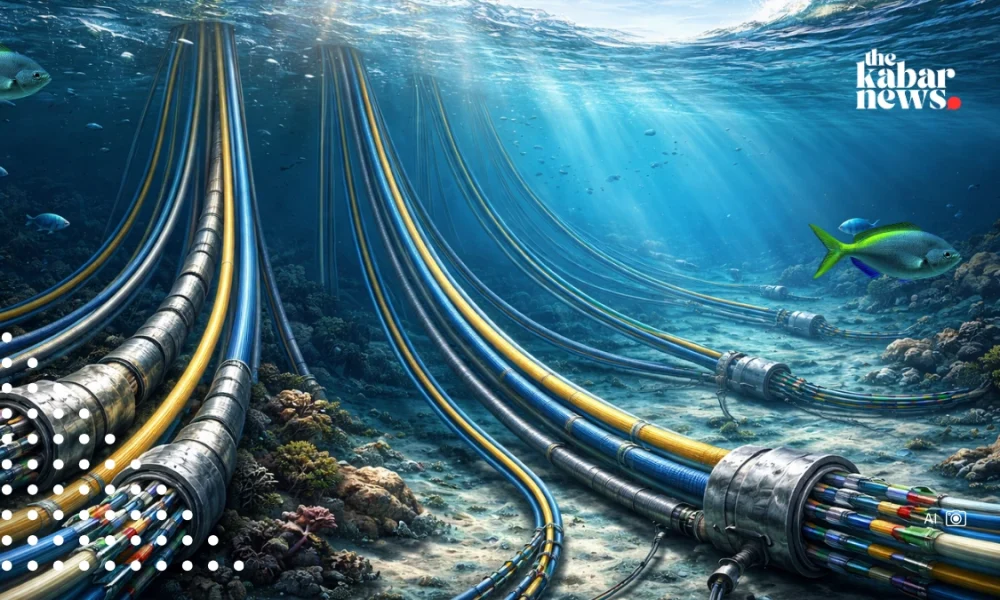
Thekabarnews.com—Iran has reportedly stated that internet cables in the Gulf region could sustain damage. Such actions could have a big effect on many people. Things are getting worse in the Middle East.
The US, Iran, and Israel are all on edge right now, so the warning is timely. The area’s digital infrastructure is just as important as the threats to oil shipments through the Strait of Hormuz. These threats have attracted significant media attention.
There are many fiber-optic cables in the Gulf that send a lot of internet traffic. These cables that run under the ocean link continents and make many digital things possible. They say they handle about 95 percent of the world’s data communications.
These networks let people from all over the world share information and use important services like e-commerce, international banking, diplomatic communications, and more. War, sabotage, or a technical problem could hurt the economy. These problems could also affect people all over the world.
People who watch say that messing with cables on the ocean floor could cause big problems, like problems with money systems, delays in communication between countries, and digital markets that are not stable.
This kind of infrastructure is crucial for both business and national security in today’s connected world.
Security experts say that undersea cable systems are becoming more and more important in politics around the world.
When countries controlled energy routes in the past, they acted differently, often using their leverage to influence geopolitical relations and secure their interests.
In the digital age, actors can shift the balance of power by altering or disrupting global data routes. Just as control over energy routes influenced political dynamics in the past, control of data routes matters now.
Iran has not clarified the meaning of the warning or explained why it issued it. However, the statement shows that critical infrastructure is vulnerable beyond energy concerns. The warning exposes weaknesses in cybersecurity and the risk of disruptions to communication networks.
Countries need to work together to protect these networks because the cables cross many borders and are important for world peace.
As tensions between countries change, the focus is shifting from military and oil resources to digital infrastructure. This trend shows that wars are becoming more and more about both the real world and the internet.





No Comment! Be the first one.