



Indonesian govt pushes one-day work from home to cut fuel consumption
Jakarta, Thekabarnews.com—The Indonesian government is developing a new law that lets people work from home (WFH) once a week. This initiative is part of their aim to use less fuel and deal with the...

Jakarta, Thekabarnews.com—The Indonesian government is developing a new law that lets people work from home (WFH) once a week. This initiative is part of their aim to use less fuel and deal with the problems caused by increased oil prices around the world.
Coordinating Economic Affairs Minister Airlangga Hartarto stated that President Prabowo Subianto instructed the public to implement the policy. The project is a response to concerns with the world’s energy supply and rising oil prices. These issues are happening because of ongoing conflicts in the Middle East.
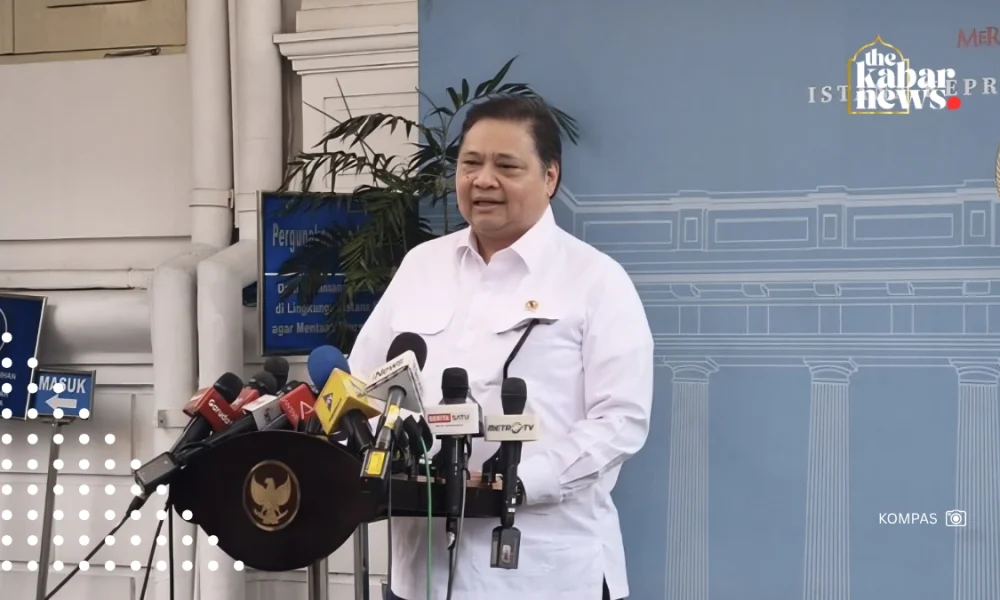
“We need to be more efficient since oil prices are going up, which means we need to travel less every day. So, we will establish a flexible work arrangement that enables employees to work from home one day out of five working days,” Airlangga remarked in the Presidential Palace complex on Thursday, March 19, as quoted in Kompas.
The administration wants the policy to work for people other than government workers. They also want municipal governments and private firms to use it.
Currently, authorities are finalizing technical instructions that will demonstrate the policy’s application across various industries and organizations. These include guidelines tailored for municipal governments and private firms to ensure effective implementation across different sectors.
Airlangga added that the administration will provide people the specifics when it has reviewed them internally.
“We are getting ready for the technical portions of this policy. It will undoubtedly have an effect on several people, like private enterprises and local governments,” he remarked.
The policy will likely begin after the Eid al-Fitr holiday. However, the precise date remains uncertain.
Officials think that the idea might cut down on gasoline use by a lot. This scenario is especially true for folks who travel to work every day.
The government aims to make it easier for the country to meet its energy needs and consume less petroleum by only letting individuals drive once a week.
“Cutting down on mobility can save a lot of gasoline, maybe up to one-fifth of the petroleum consumed for commuting,” Airlangga stated.
The administration has a bigger plan to keep the economy steady in the face of global uncertainty. This policy is a part of that plan.
It also uses less energy. The state is having a tougher time paying its expenses since energy prices are increasing. This situation has led authorities to explore ways to cut costs without damaging the economy.
The government still wants to keep the state’s budget deficit below 3 percent. This goal is a key financial aim for keeping the economy steady.
Experts claim that flexible work hours, which were increasingly popular during the COVID-19 pandemic, have helped lower emissions and transportation expenses.
The proposed WFH policy could bring back some of these benefits while also helping to solve the problems the economy is having right now. These include rising costs and decreased productivity by allowing employees to work more efficiently from home.
Indonesia is dealing with global energy demands. The planned work flexibility policy is part of a bigger effort to establish a balance between public welfare, energy efficiency, and economic stability.






No Comment! Be the first one.