



Trump urges allies to act, but no warships are sent to Hormuz
Thekabarnews.com—The Strait of Hormuz is currently home to approximately 1,000 oil tankers, increasing the risk for ships. Prices for oil around the world have also gone over $100 a barrel. In...

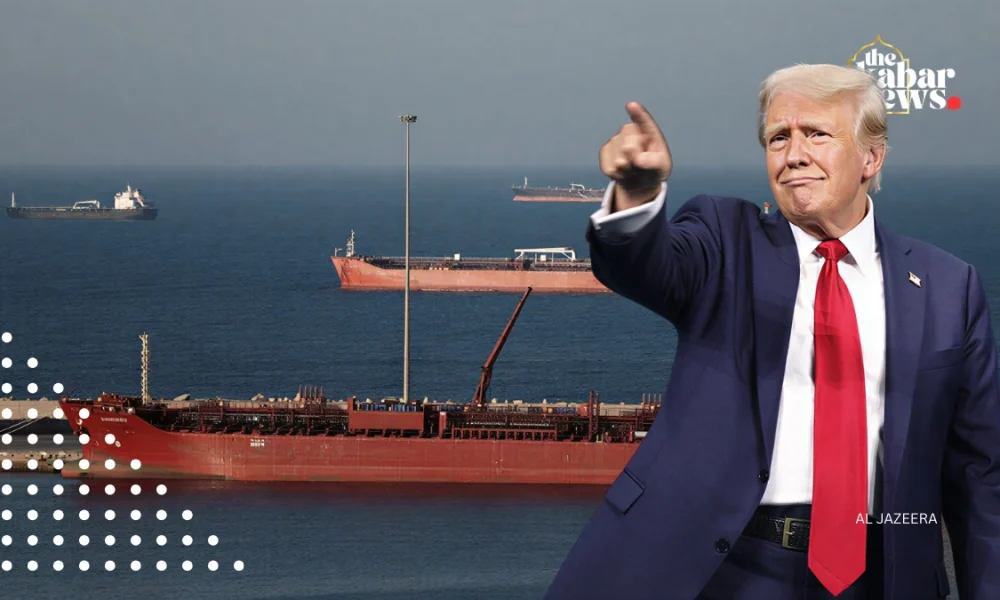
Thekabarnews.com—The Strait of Hormuz is currently home to approximately 1,000 oil tankers, increasing the risk for ships. Prices for oil around the world have also gone over $100 a barrel. In addition, tensions between countries are getting worse.
Iran has said that the main shipping route is still open, but not for the US and its allies. This announcement is after more fighting in the Middle East. These events have heightened concerns about maritime security and the potential for further disruptions to oil trade.
Iran is reportedly negotiating with several countries to allow their ships to pass safely through the Strait of Hormuz. This location is a major route for oil trade around the world.
President Donald Trump asked China, France, Japan, South Korea, and the UK to send ships to protect the waterway.
Trump urged countries friendly to the US, via the social media site Truth Social, to maintain stability in global energy routes. So far, no country has said they will send warships to the area.
France’s refusal of the offer shows that it does not want to be a part of the war. Japan said that its Self-Defense Forces were “very unlikely” to do anything because of legal and political issues. In particular, there were concerns about violating Japan’s pacifist constitution and the potential for escalating regional tensions.
This response shows that the government is concerned about the risks of military involvement. In addition, there are concerns about how things could get worse in the area.
South Korea said it would carefully consider the situation before making any decisions. The UK has talked to the US about the situation, but they have not said they would send ships. People say that London might want to look into other options. For example, they might use drones to find mines instead of warships.
Germany, on the other hand, has made it clear that it does not want to join the military. Berlin’s foreign minister said Germany would not participate in the fighting.
Other European countries worry that the situation could escalate and further threaten global energy security.
Major powers’ reluctance to intervene militarily highlights the complexity of the situation. Security risks and economic interests are at odds.
The Strait of Hormuz is still one of the most important places in the world for moving energy. When there are problems in the area, oil markets around the world can become less stable.
Disruptions to shipping routes and rising geopolitical tensions can drive price fluctuations. This situation clearly reflects the reality.
Stranded tankers and the lack of coordinated international action are further destabilizing global energy supply chains.
These changes could further destabilize the oil market and the global economy.
If the strait stays closed for a long time, oil prices could go up even more. This kind of rise could have an effect on trade, inflation, and the world economy’s stability.




No Comment! Be the first one.