



Japan hesitates to send warships to protect oil routes in Middle East
Tokyo, Thekabarnews.com—The Japanese government has said that it is unlikely to send warships to protect oil transport routes in the Middle East. This decision comes even though Donald Trump asked...

Tokyo, Thekabarnews.com—The Japanese government has said that it is unlikely to send warships to protect oil transport routes in the Middle East. This decision comes even though Donald Trump asked allied countries to help secure the Strait of Hormuz as tensions with Iran continue to rise.
Japanese officials said that the chances of sending naval forces are still very low. The delay is because of legal and constitutional issues.
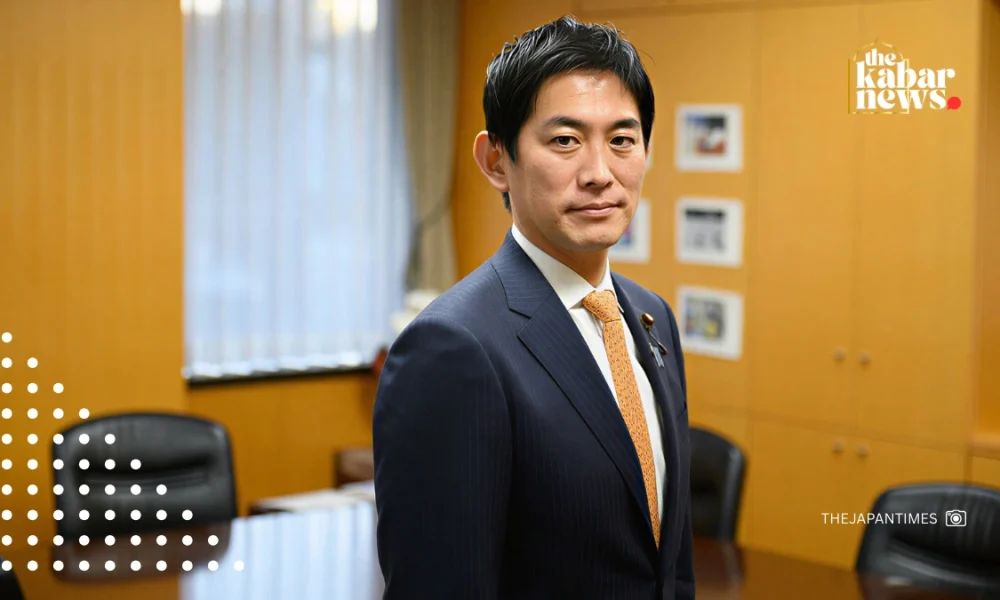
Takayuki Kobayashi, a policy adviser for the Liberal Democratic Party, said that Japanese law does not completely stop Japan from sending soldiers to other countries.
But the topic is still very controversial because Japan’s constitution says that armed action cannot happen outside of Japan after World War II.
After World War II, Japan’s pacifist constitution was passed in 1947. It puts many limits on what the Japan Self-Defense Forces can do.
Kobayashi said that the government can only send troops to other countries if they think the situation is a direct threat to Japan’s survival.
Japanese officials say that the war in the Middle East has not reached that point yet.
Kobayashi stated that the current situation does not pose a threat to the nation’s survival.
The Strait of Hormuz is still one of the most important places in the world for moving energy. Many oil shipments from all over the world go through the small strait between Iran and Oman.
Rising tensions in the region are raising concerns among governments and global markets that shipping disruptions could affect the world’s energy supply. Oil prices could rise sharply if disruptions affect the Strait of Hormuz. These disruptions could also affect global economic stability.
The idea that Japan might help protect the passage is part of a larger diplomatic effort. This effort aims to keep things from getting worse.
Sanae Takaichi, the Prime Minister of Japan, will meet with Trump in Washington, D.C., on March 19, 2026.
The two leaders will discuss Iran and how to calm the region.
Japan maintains a cautious approach by prioritizing diplomacy and cooperation with allies. At the same time, it keeps overseas deployments minimal.
Japanese officials are trying to reconcile alliance obligations, constitutional restrictions, and domestic political concerns. They are doing this as regional instability continues.




No Comment! Be the first one.