



Study warns hot drinks in paper cups may release microplastics
Thekabarnews.com—A new scientific study has raised concerns about the safety of disposable paper cups used for hot drinks like coffee and tea. Researchers observed that when hot liquids hit the...

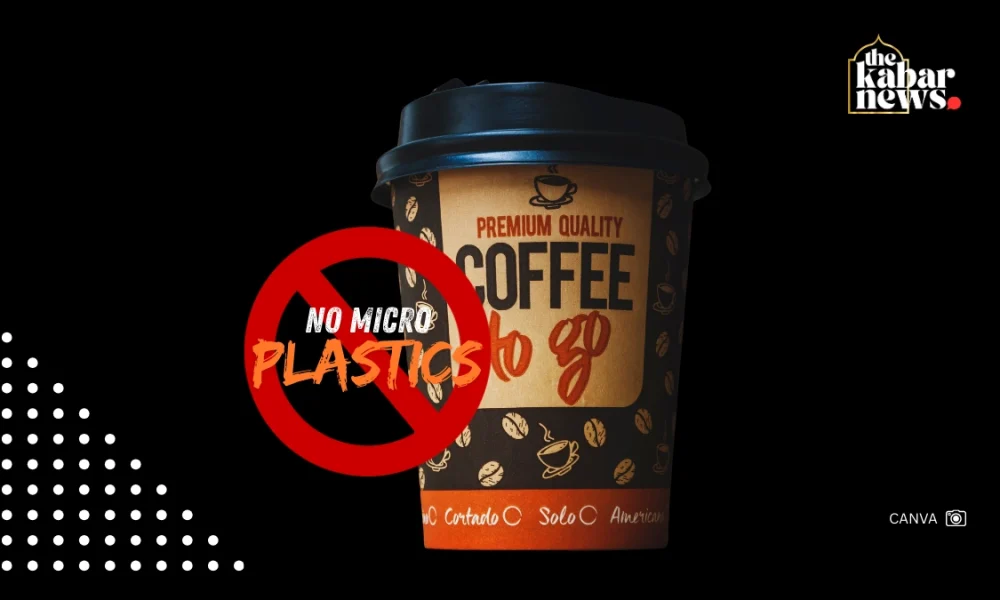
Thekabarnews.com—A new scientific study has raised concerns about the safety of disposable paper cups used for hot drinks like coffee and tea. Researchers observed that when hot liquids hit the plastic lining inside many paper cups, they can release toxins and microplastics.
The Indian Institute of Technology Kharagpur says that when heated, throwaway cups with plastic linings let out microscopic plastic particles into liquids.
The study found that when researchers filled paper cups with water at 90°C (194°F), the cups released between 10 and 100 microplastic particles per milliliter within about 15 minutes.
Polyethylene or polylactic acid is a thin layer of plastic on the outside of most disposable cups. These coatings are used to stop liquids from leaking through the paper.
Researchers did observe that the plastic coating can start to break down as it becomes heated. This lets microplastics and chemical additives mingle with the drink.
Researchers looked at roughly 70 different brands of disposable cups. They published their findings in the Journal of Hazardous Materials.
The study indicated that plastic particles came out considerably faster when the temperatures were greater and the contact periods were longer.
Microplastics are tiny pieces of plastic that are less than five millimeters long. Researchers are still researching into how these particles affect people’s health over time. However, they think they could be harmful because they can create hormonal and inflammatory disorders. This is due to chemical additives like bisphenol A (BPA).
The study also discovered that using throwaway cups more than once can make the problem worse. This is because it can break the lining that protects them and let more plastic out.
Consumers should consider alternatives such as ceramic mugs, glass cups, or reusable containers. Manufacturers make these options from safer materials.
But they also say that some “biodegradable” or “compostable” products may still contain plastic.
You can also minimize your exposure by doing some simple things. For example, letting hot drinks cool down a little before you drink them might help keep microplastics from getting into them.
The results show how scared people are about being around microplastics in common things. Therefore, researchers suggest that both makers and buyers need to pay greater attention to the problem. This is important because the global throwaway cup market is worth billions of dollars a year.






No Comment! Be the first one.