



Be excited about worship during the last 10 days of Ramadan
Thekabarnews.com—Sheik Ibn Uthaymeen, may Allah have pity on him, stated once, “The middle ten days are better than the first ten days. The latter ten days are better than the ten days in the...

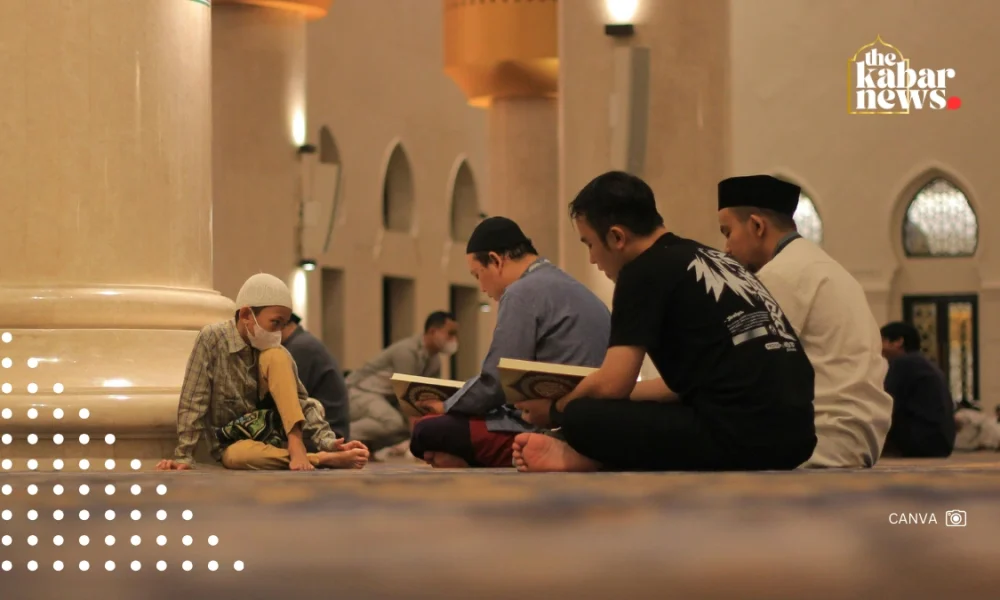
Thekabarnews.com—Sheik Ibn Uthaymeen, may Allah have pity on him, stated once, “The middle ten days are better than the first ten days. The latter ten days are better than the ten days in the middle.
And you will find that this assertion is usually still true: the second half of those noble periods is more essential than the first half.
The wisdom—Allah knows best—is that the human soul often becomes tired and weary when performing good deeds.
The blessings and rewards at the end of the period inspire him more than those at the beginning, renewing his enthusiasm to perform good deeds.”
Al-Liqo’ Asy-Syahri (4/71).
What that statement means:
In many acts of worship, the final moments are considered more important than the earlier parts.
People may not want to be lethargic at the end of worship if they know this.
People frequently start out excited about worship but then lose interest in the middle or in the conclusion.
This approach gives more importance to the end section so that people can get their energy back.
2/ The example is particularly evident during Ramadan: the first ten days were beneficial, the last 10 days were the most significant and rewarding, and the middle 10 days were superior because they have Lailatul Qadar in them.
3/ There is a lot of evidence to back this claim up, such as:
A hadith regarding how hard the Prophet Muhammad ﷺ worked to worship during the last ten days of Ramadan.
Aisha, may Allah be pleased with her, said:
كَانَ النَّبِيُّ ﷺ إِذَا دَخَلَ العَشْرُ الأَوَاخِرُ أَحْيَا اللَّيْلَ، وَأَيْقَظَ أَهْلَهُ، وَشَدَّ مِئْزَرَهُ
“When the last 10 days of Ramadan came, the Prophet Muhammad ﷺ would spend the nights in prayer, wake up his family, and work hard in prayer.” (HR Al-Bukhari and Muslim)
This shows that worship at the conclusion of Ramadan is more essential.
b/ Allah the Exalted said about the good things about Lailatul Qadar:
لَيْلَةُ الْقَدْرِ خَيْرٌ مِنْ أَلْفِ شَهْرٍ
“The Night of Glory is better than a thousand months.” (Quran Surah: 3).
Lailatul Qadar occurs during the last ten nights of Ramadan.
The value of an action is determined by its ending or conclusion.
The Prophet Muhammad ﷺ said:
إِنَّمَا الأَعْمَالُ بِالْخَوَاتِيمِ
“Indeed, actions are evaluated based on their conclusions.” (Hadith Bukhari).
This evidence shows that worship is more important toward the end of Ramadan than at the beginning or middle.
We find numerous Islamic religious laws in patterns of worship like this, such as
Prayer: The most important portion of the prayer is the last part, which comprises the last prostration, the last testimony of faith, and the prayer before the greeting.
The Prophet Muhammad ﷺ said,
أَقْرَبُ مَا يَكُونُ العَبْدُ مِنْ رَبِّهِ وَهُوَ سَاجِدٌ
“A servant is closest to their Lord when they are in sujud (during prayer).” (HR. Muslim).
The majority of experts agree that the best time to pray is toward the conclusion of Friday, right before sunset.
Hajj: The most important part of the Hajj journey is Arafah, which happens at the end of the primary ceremonies.
4/ Benefits (Important Lessons):
a/ Do not stop worshiping at the end of Ramadan.
At the start of Ramadan, a lot of people are excited, but by the conclusion, they are weak, often losing the motivation to continue their worship and good deeds beyond the month.
The most essential acts of worship happen just at the end of Ramadan, including the celebration of Eid al-Fitr and the final prayers, which serve to reinforce the spiritual growth achieved during the month.
b/ The value of our actions is determined by their outcome.
So, the scholars said,
“The measure is the excellence of the conclusion, not the inadequacy of the beginning.”
c/ A reason for us to worship more in the remaining ten days of Ramadan.
He did qiyamul lail and i’tikaf, prayed more, and read the Qur’an, just like the Prophet ﷺ did.
d/ God’s kindness to people.
Allah the Exalted understands that people can grow tired of worship, so He grants them a great reward at the end of the period—at the conclusion of Ramadan—to keep them motivated in their devotion.
Conclusion:
The previously mentioned words of Sheikh Ibn Uthaymeen, may Allah have mercy on him, explain this principle in various acts of worship.
That the end of the time is more essential than the beginning.
This is a motivator so that people do not get lazy about worshiping at the end of time.
This also ensures that a believer can conclude their actions with honesty and kindness.
May Allah subhanahu wa ta’ala guide and help us all so that we stay excited and faithful in worship until the conclusion of Ramadan and the end of our lives.
We pray to Allah for victory and strength.
By: Abu Abdirrohman Yoyok WN Sby.





No Comment! Be the first one.