



Drone attack in Riyadh, Iran vows action against oil routes
Thekabarnews.com—When an Iranian official suggested that Tehran may “burn” ships trying to get through the Strait of Hormuz, tensions in the Middle East soared. This is one of the most...

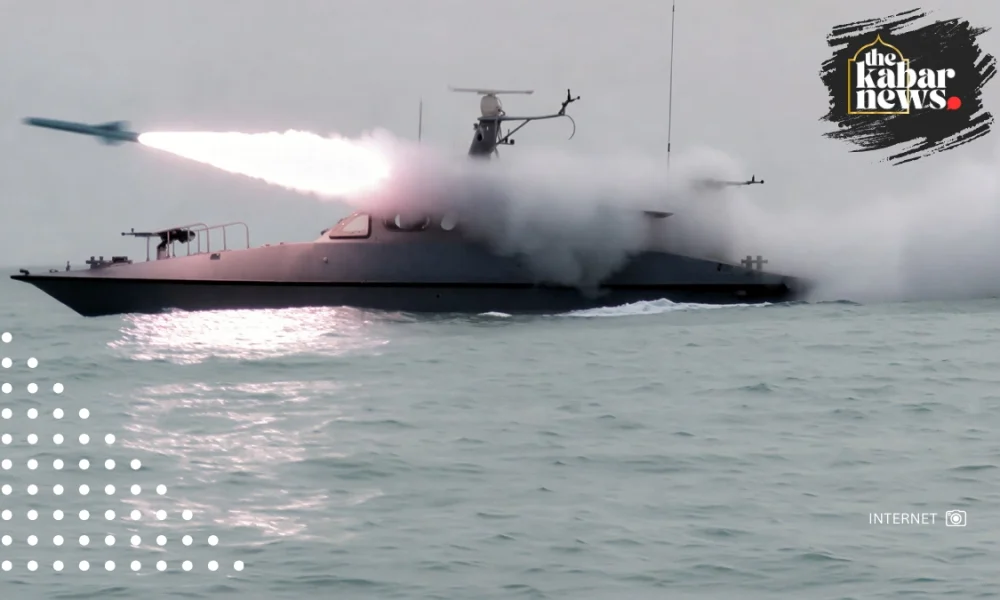
Thekabarnews.com—When an Iranian official suggested that Tehran may “burn” ships trying to get through the Strait of Hormuz, tensions in the Middle East soared. This is one of the most important oil and gas transportation routes in the world.
Ebrahim Jabbari, an advisor to the commander of Iran’s Islamic Revolutionary Guard Corps (IRGC), issued the threat on national TV. He instructed ships to avoid approaching the crucial canal due to its virtual closure.
“Ships cannot enter this area. We will fight back hard,” Jabbari stated.
He also said that the US was seeking to take over the area’s oil riches. Moreover, he vowed to destroy pipelines and energy plants associated with US interests.
“We will not let oil exports from this area,” he said.
The Strait of Hormuz is one of the most important shipping lanes in the world. Around one-fifth of the world’s oil and gas passes via this small strait. Problems in the area might have a big effect on shipping routes and energy markets all around the world.
Marco Rubio, the US Secretary of State, said the most important steps against Iran were still to come. However, he did not say what they were.
President Donald Trump said in the past that he attacked Iran because he thought it was the “last and greatest choice” to stop what he called a “dangerous regime.” Trump said at the White House that US troops were still doing “large-scale military operations.” This was even after the US bombed targets in Iran.
Things became worse when two drones flew into the US Embassy in Riyadh, Saudi Arabia. The Ministry of Defense of Saudi Arabia said that the strike only caused a small fire and some minor damage to the building’s structure. There were no reports of injuries initially.
People worldwide fear that these events could cause more violence and make it harder to get oil from elsewhere.
Leaders from all over the world are still calling for peace and talks. But the threats over the Strait of Hormuz could change how countries deal with each other. Additionally, the threats could change how energy markets work if tensions rise.
As the conflict persists, governments around the world are closely monitoring developments in one of the most strategically critical regions on Earth.





No Comment! Be the first one.