

Zero-waste catfish farming brings back the community spirit in West Pontianak
Pontianak, Thekabarnews.com—People in Gang Kencana Lestari 2, RT 04/RW 11, Pal Lima, West Pontianak in West Kalimantan, are changing the way fish are grown in cities. The neighborhood now boasts a...

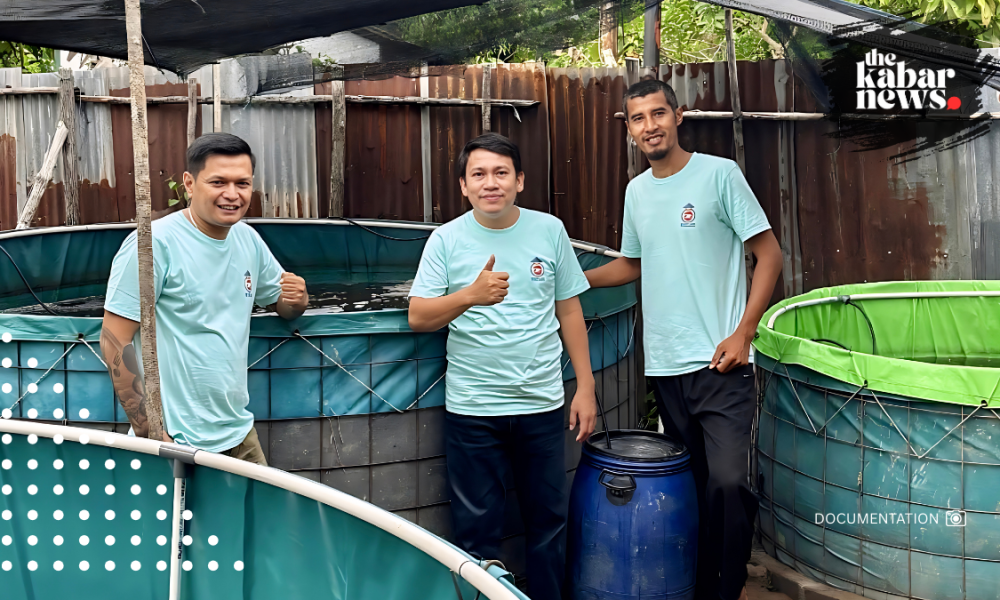
Pontianak, Thekabarnews.com—People in Gang Kencana Lestari 2, RT 04/RW 11, Pal Lima, West Pontianak in West Kalimantan, are changing the way fish are grown in cities. The neighborhood now boasts a clean, water-efficient, and community-driven aquaculture system based on biofloc technology instead of unclean water and smelly drainage.
The folks who live there call themselves the Biofloc Home Business Group. They have made ponds out of empty lots and sections of their yards where catfish and tilapia can dwell together. Since they started the initiative in 2020, they have proved that fish farming can work successfully in residential settings without annoying neighbors.
The most important thing is a biofloc system that does not waste anything. This method uses beneficial microorganisms to transform fish waste and food scraps into protein.
The fish eat such waste as an extra source of food that is beneficial for them. You don’t need to change the water often because the biological process keeps it clean and prevents ammonia buildup.
“Floc-forming bacteria break down garbage in the water and turn it into microbial protein that the fish can consume again,” said Alif, one of the project’s founders.
They don’t have to drain the ponds after every harvest; they merely add water when they need it. This approach saves a lot of water, especially when it is dry.
Wibowo, who is in charge of growing things, adds that the nutrient-rich bacterial clusters not only keep the ecosystem steady but also cut the cost of feed.
“The floc starts to look more like real food. It might not save a lot of money, but it does help,” Wibowo remarked.
People in RT 04 govern the cooperative system, which now manages seven community ponds. They make good use of even the small amount of trash they produce. People use it to make their gardens at home grow better.
The initiative is helpful for the people who live there, the economy, and the environment. Locals eat some of the fish they catch and sell the rest to fish collectors. The money made goes right into the communal fund for the area.
Romiyanto, who is in charge of RT 04, claimed that the impacts transcend beyond money. “This endeavor brings back the spirit of gotong royong, which means working together. It draws people together,” he stated.
People of all ages, including men, women, and teens, are working on the project. Many local mothers feed the fish daily, making them feel like owners.
The zero-waste fish farming technique from Gang Kencana Lestari in Pontianak, West Kalimantan, is a wonderful illustration of how fresh ideas and working together can make small locations into thriving green centers.
This is vital for cities that wish to develop methods to produce money and feed people over the long run.






Wah keren nih portal bahasa Inggris sekarang, sukses selalu ya Bang…
Makasih a lot bang