

Nowadays, there are about 100,000 people in Japan who are over 100 years old
Thekabarnews.com—Japan has accomplished a wonderful demographic milestone: about 100,000 of its citizens are now 100 years old or older. The number shows that the country has one of the...

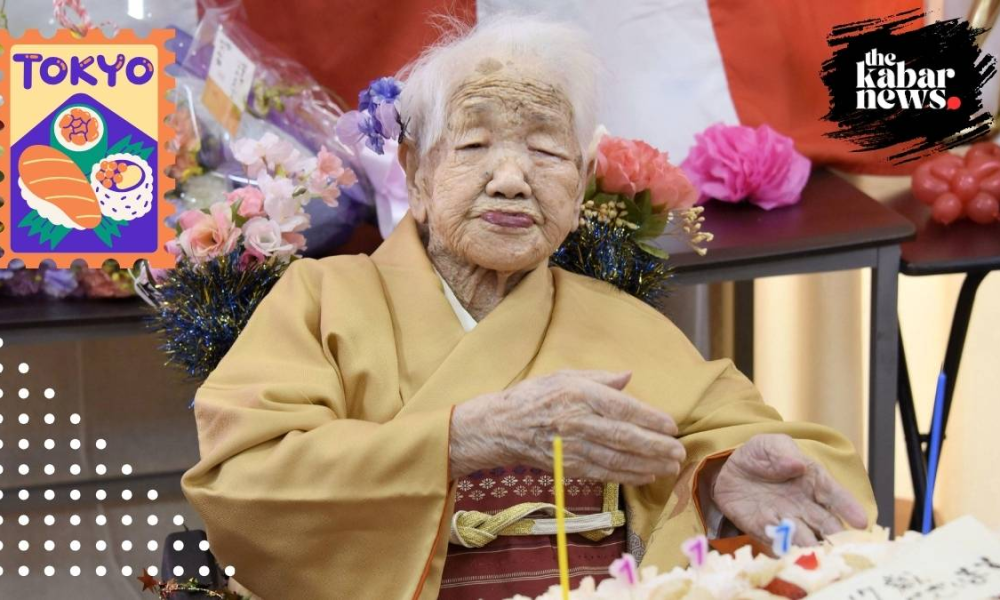
Thekabarnews.com—Japan has accomplished a wonderful demographic milestone: about 100,000 of its citizens are now 100 years old or older. The number shows that the country has one of the longest-living populations in the world and that its population is becoming older rapidly.
Table Of Content
This feat shows how far healthcare, nutrition, and social stability have come over the years. However, it also makes the serious economic and social problems that come with extraordinary longevity even more clear.
Japan’s growing number of people over 100 can be attributed to several interconnected factors. What people eat plays one of the most important roles. Traditional Japanese diets focus on fish, vegetables, rice, fermented foods, and modest portion sizes.
Community, safety, and social support
That approach is why Japan has lower rates of heart disease and obesity than many other industrialized countries. This way of eating, together with an active lifestyle that typically includes walking and getting involved in the community well into old age, has been crucial in increasing life expectancy.
Japan’s universal healthcare system is another big reason why people go there. It makes sure that everyone can receive medical care for the rest of their life. Preventive care, regular health checkups, and early treatment of chronic conditions all help older people live longer and better lives.
Improvements in medical technology and a greater awareness of public health have both helped people of all ages stay healthy as they mature.
Social considerations are just as essential. Japan is noted for having low rates of violent crime, which makes people feel safe, especially older people. Many older people still live on their own, thanks to close-knit neighborhoods and community services that help them.
Local governments and volunteer groups often help elders stay mentally healthy and avoid feeling alone by providing social events, wellness checkups, and support with everyday necessities.
The economic cost of an aging society
However, the increasing number of people over 100 years old also shows how difficult the Japanese economy is working. As the population becomes older, healthcare costs are continually going up, which puts more and more stress on public finances.
Older people usually need more specialized medical care, long-term treatment, and support services on a regular basis. The state has a harder and harder time paying for these programs as the number of older people climbs.
Another big problem is that there are not enough workers. Japan’s labor pool is getting smaller because fewer young people are entering the workforce and more retirees are retiring. These trends could hurt the economy.
Some fields, like healthcare, manufacturing, and agriculture, are already having trouble finding workers. In response, Japan has begun investigating measures such as raising the retirement age, encouraging more women and older people to work, and gradually expanding initiatives that attract foreign labor.
Pension systems under strain
The pension system is likewise in trouble. As people live longer, they receive benefits for longer periods of time, which puts more strain on a system that was originally set up for shorter lifespans.
Policymakers must find a balance between giving pensioners enough help and making sure that the economy stays strong for future generations. This fact has led to ongoing discussions regarding changes to pensions, contribution rates, and benefits.
Japan’s population growth is unlike any other major economy’s, making it a global test case for how societies may deal with severe aging. The country is spending a lot of money on new technologies like robotics and artificial intelligence to help care for older people and make up for a lack of workers.
Mature people increasingly view smart homes, assistive devices, and automated services as necessary to maintain their freedom and dignity.
At the same time, politicians stress how important it is for communities to be strong and work together. A primary goal is still to ensure that longevity means more than just living longer. It also means living well.
Japan’s experience with an aging population can teach other countries that are starting to see comparable changes in their populations a lot.
Japan’s achievement of approaching 100,000 centenarians indicates the importance of finding long-term solutions. We must transform the exceptional lifespan into a sustainable and inclusive future.







No Comment! Be the first one.