

Modern science is interested in what the Qur’an says about how people were made
Thekabarnews.com—People all over the world are still interested in the link between science and religion. Old texts, which seem to discuss natural events not fully understood until hundreds of years...

Thekabarnews.com—People all over the world are still interested in the link between science and religion. Old texts, which seem to discuss natural events not fully understood until hundreds of years later, pique this interest.
One of the most commonly used examples is the Qur’an. Muslims think it was revealed more than 1,400 years ago. Many people say that the stages of human creation described in the text are very similar to how embryos grow today.
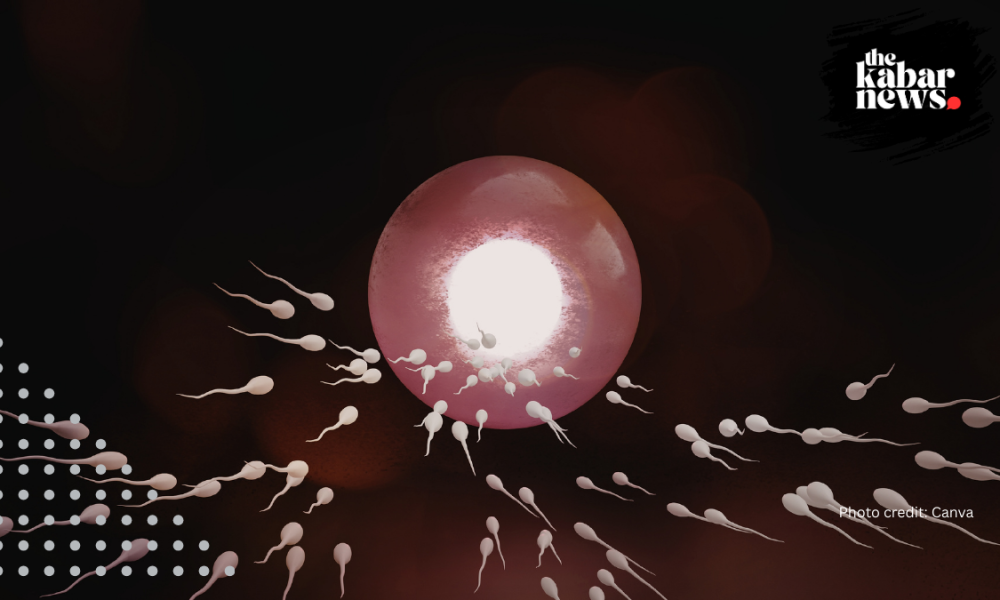
“And certainly did We create man from an extract of clay. Then We placed him as a sperm-drop in a firm lodging. Then We made the sperm-drop into a clinging clot, and We made the clot into a lump [of flesh], and We made [from] the lump, bones, and We covered the bones with flesh; then We developed him into another creation. So blessed is Allah, the best of creators.” (Quran | Surah Al-Mu’minun:12-14)
Surah Al-Mu’minun, verses 12–14, talk about how people grow. It begins with a piece of clay, then a drop is put in a safe place, then a clinging form, then a lump of flesh, then bones are formed, and finally flesh is put over those bones. The passage ends by saying that humans are a new creation. It also praises Allah ﷻ as the Supreme Creator.
People who agree with this perspective say that the order of events in the verses shows a clear order of development. Modern embryology validates that the human embryo experiences specific stages. The process commences as a microscopic cell and advances through organized phases. It’s a common belief that bones form before the flesh that covers them. Modern science agrees with this theory about how bones grow.
Many believers are even more convinced that Allah ﷻ revealed the Qur’an, not human authors. They argue that these detailed descriptions originated in the past, a time before advanced scientific tools, labs, and imaging technology existed. From this perspective, the verses are not just spiritual advice. They also make you think about the world around you.
People who study the link between science and religion say that the Qur’an claims to be a book that is not scientific. Instead, the verses tell people to be humble, think, and watch what they do.
The references to human development are short, poetic, and more about meaning than technical details. But their structured order still makes people want to talk about them, including scientists, theologians, and regular people.
Critics say that using modern scientific terms to understand ancient texts too strictly is a detrimental idea. But even they agree that the Qur’an’s descriptions have changed the way people talk about faith and knowledge over the years.
For Muslims, these verses reinforce a core tenet: that revelation and reason are harmonious. Instead, scientific discovery is a way to show the layers of meaning that were already there in scripture.
As research into human development advances, the Qur’anic narrative of creation remains a source of contemplation—interlinking faith, biology, and the enduring mystery of existence.







No Comment! Be the first one.