

Floods strike Tapanuli Tengah as WALHI questions transparency in revoked permit policy
Jakarta, Thekabarnes.com—Floods have struck Tapanuli Tengah again, adding to the growing list of natural disasters across Sumatra. The most recent event has brought up the issue of environmental...

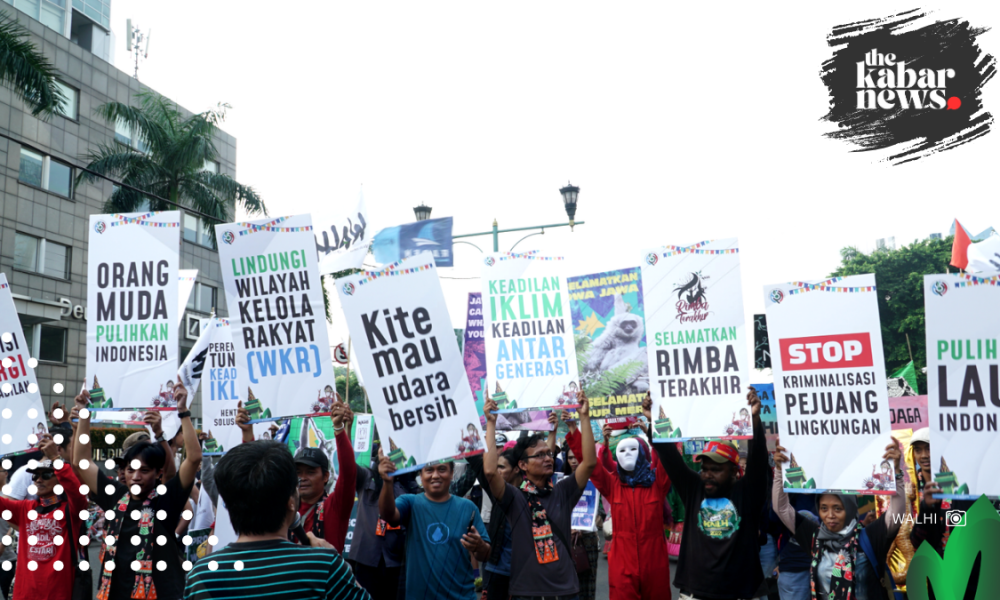
Jakarta, Thekabarnes.com—Floods have struck Tapanuli Tengah again, adding to the growing list of natural disasters across Sumatra. The most recent event has brought up the issue of environmental governance again. This instance is because the government said it will give Danantara control of 28 revoked company permits through the State-Owned Enterprises (SOEs) Law. In addition, officials have also expressed their intention to investigate the revoked licenses.
The Indonesian Forum for the Environment (WALHI) has spoken out against the proposal. WALHI’s campaign manager, Uli Arta Siagian, asked if the choice really means ecological recovery or just a new management system that combines assets.
“We should initiate full environmental audits, hold companies accountable, and restore harmed ecosystems by revoking permits. Instead, putting Danantara and SOEs in charge of management could mean replacing one operator with another without modifying the extractive economic model that generated ecological crises in the first place,” Uli stated.
WALHI says that transparency is still the most important issue. WALHI said the authorities still have not released full documents outlining the reasons for the revocation, the results of the environmental audit, or the standards they used to identify violations. Moreover, WALHI formally asked the Ministry of Environment and Forestry, the Investment Coordinating Board (BKPM), and relevant task teams to make public information on February 13.
WALHI stressed that revoking permission shouldn’t stop legal action. Authorities must still impose administrative penalties, file civil lawsuits, pursue criminal investigations, and require companies suspected of violating environmental regulations to pay for environmental restoration. The organization said that ecological justice wouldn’t be complete without more legal action.
WALHI also advised the government to put restoring ecosystems and protecting community rights ahead of reorganizing the government. Additionally, the organization requested recovery strategies that involve the affected people, particularly those residing in coastal and downstream areas.
WALHI’s Coastal and Marine Protection Campaigner, Mida, asserted that the management of land upstream directly impacts coastal ecosystems.
“Land and sea make up one ecosystem. Coastal and marine populations will keep suffering if upstream management does not make restoration a priority,” she remarked.
WALHI ended by asking the government to make sure that rehabilitation after revocation covers all areas, from forests in the mountains to coastal areas. In this way, all communities, whether they are inland, coastal, or marine, get fair treatment.
As flooding continues to affect weak areas, the argument over how to run things, who is responsible, and how to manage natural resources in a way that lasts is likely to get stronger in the coming months.







No Comment! Be the first one.