

Trump criticizes allies over Hormuz crisis, questions NATO commitment
Thekabarnews.com – Ongoing fighting is currently affecting the Strait of Hormuz, a major oil route for the world. As a result, tensions are rising. US President Donald Trump has harshly scolded...

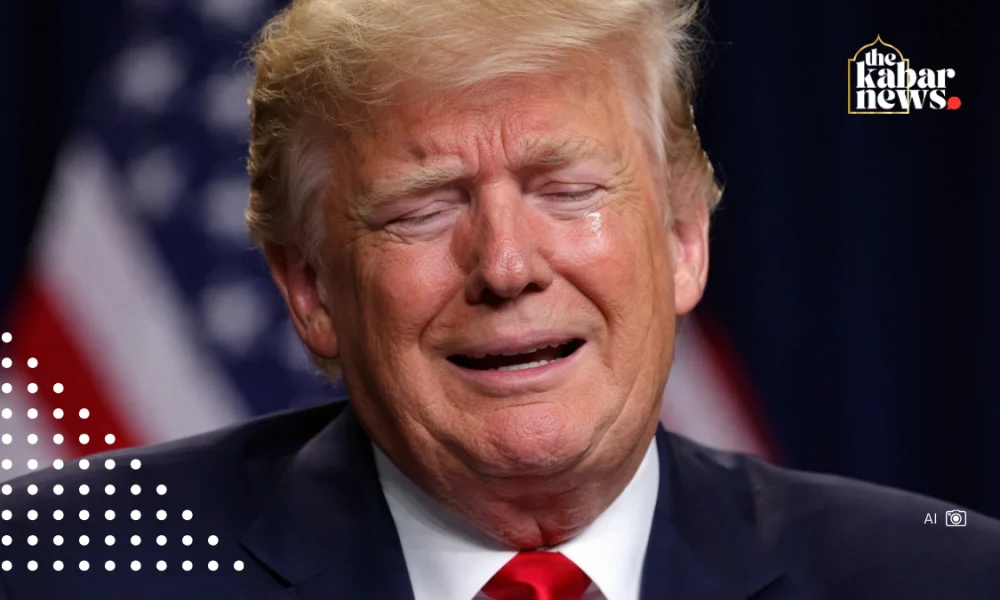
Thekabarnews.com – Ongoing fighting is currently affecting the Strait of Hormuz, a major oil route for the world. As a result, tensions are rising. US President Donald Trump has harshly scolded friendly countries for not helping the US.
On March 16, Trump said he was frustrated at allies that the US military had protected for decades. But they will not help now that there is a problem. As tensions with Iran rose, the US asked other countries to help keep shipping lanes safe.
“We have been protecting them for 40 years, and now they would rather not get involved in anything small,” Trump said.
He was talking about requests for naval support, like ships that clear mines, to make sure that commercial shipping can get through safely.
The criticism says that the West’s relationships are getting worse, especially when it comes to how to pay for the war. As a result, this may lead to increased tensions and a lack of cooperation in military support among allies.
President Trump also said NATO might be untrustworthy because some members might not fully back the US in a crisis.
The Financial Times reports that France and other European countries are looking for other ways to keep shipping lanes safe without the help of the US. This indicates a shift in their defense strategies. It also shows a desire for greater autonomy in security matters.
Countries are seeking greater control over their security by developing independent measures. They are also forming new alliances beyond US support. This decision shows that allies are carefully avoiding deeper involvement in ground fighting.
Conditions have worsened since the US and Israel launched attacks on Iran in late February, triggering tensions in the Strait of Hormuz. As a result, disruptions have affected the waterway that transports large volumes of global oil and natural gas.
Rising military tensions, shipping delays, and maritime security threats have raised concerns about global energy supply.
These developments are putting global energy markets under significant pressure. Reduced oil supply from the Gulf raises fears of economic instability and energy shortages.
Experts are concerned that energy prices could rise if this trend keeps happening for too long. That would hurt economies all over the world.
The US has asked China, Japan, South Korea, the UK, and other major economies to help keep the sea route safe. But many nations have been careful and picked peace over war. They have put talks and diplomatic solutions first to keep things from getting worse in the area.
The delay reflects growing concerns about the risk of a wider war in the Middle East. Such a war could have big effects on the world economy and politics.
The world has not yet come together to use military force, even though the pressure is growing. The lack of coordinated planning is raising concerns about the future of global security cooperation.
This is especially true when there are problems that could hurt everyone’s economy. For example, wars in the Middle East could stop trade routes and oil supplies.
People are worried that things are getting worse in the Strait of Hormuz. Therefore, governments are trying to find a balance between making strategic alliances, taking on economic risks, and getting more involved in the military.
They want to deal with threats that might come up in places like the Strait of Hormuz, which is important for the global oil supply and economic stability.





No Comment! Be the first one.