

Breaking: The state must take strong action when corruption affects the Hajj quota
Jakarta, Thekabarnews.com—Indonesia’s Corruption Eradication Commission (KPK) has named Yaqut Cholil Qoumas, a former Religious Affairs Minister, as a suspect in the alleged manipulation of the...

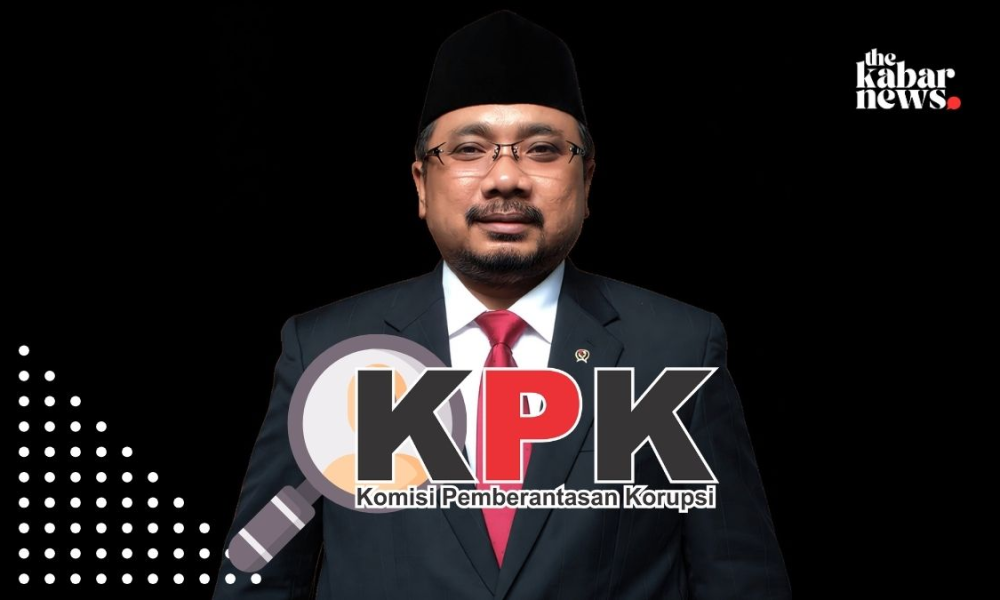
Jakarta, Thekabarnews.com—Indonesia’s Corruption Eradication Commission (KPK) has named Yaqut Cholil Qoumas, a former Religious Affairs Minister, as a suspect in the alleged manipulation of the 2024 Hajj quota.
This presents a big test of the government’s honesty in managing religious issues. That issue transcends beyond a mere legal dispute; it deeply impacts public trust, moral obligations, and social justice.
Millions of pilgrims in Indonesia wait patiently for years, even decades, to accomplish this holy duty. Corruption claims regarding the distribution of Hajj quotas are illegal and unjust.
The KPK’s effort to follow the money from private Hajj travel companies to officials in the Ministry of Religious Affairs should get a lot of popular support.
This investigation is necessary to find out if illegal activities like bribery, kickbacks, or turning pilgrimage quotas into cash have become common in the system.
If these things are true, they would show that the management of Hajj services is failing on a large scale. This situation needs openness, responsibility, and moral leadership.
This case is also a critical reminder that no governmental office, especially one that deals with religious issues, should be beyond the law. To get rid of the idea that political elites can hide behind authority, influence, or religious symbols, law enforcement must be strong and fair.
The state must take strong action
The government must use this instance as a reason to entirely change how Indonesia handles the Hajj. This concept applies both for normal and special pilgrimage programs.
To stop corruption from happening, there must be clear ways to set quotas, independent oversight, and full public openness.
People have the right to ask for fairness and clarity. A fair and thorough legal process will not only restore public trust, but it will also underline the state’s duty.
The state must preserve the sanctity of religious worship from being harmed by dishonest behavior. There can be no tolerance for corruption when it comes to the Hajj.



No Comment! Be the first one.