

Spain granted access to Strait of Hormuz after rejecting US-Iran conflict involvement
Thekabarnews.com—Iran has signaled a change in its diplomatic stance by allowing Spain possible access to the strategically important Strait of Hormuz. This comes after Madrid decided not to back...

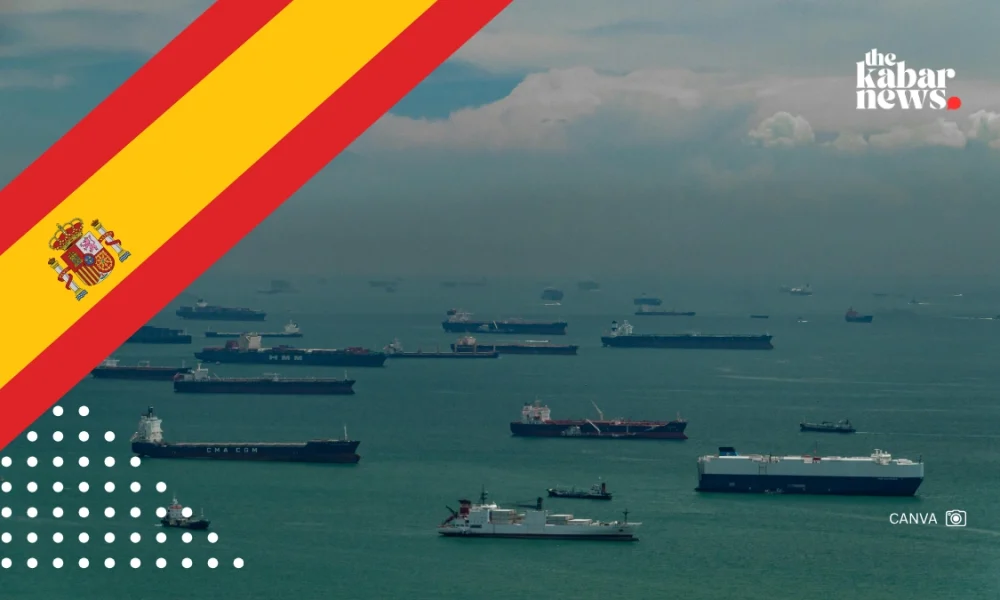
Thekabarnews.com—Iran has signaled a change in its diplomatic stance by allowing Spain possible access to the strategically important Strait of Hormuz. This comes after Madrid decided not to back recent military actions by the US and Israel against Iran.
The Strait of Hormuz is still one of the most important energy routes in the world. It moves about one-fifth of all oil and liquefied natural gas shipments.
Any limits or special access in the waterway will have big effects on global energy markets and political stability. This is particularly true if they disrupt the flow of oil and gas shipments. These shipments are crucial for many countries’ economies.
Iranian officials said that ships from “non-hostile” countries could go through the strait as long as they worked with Iranian authorities.
Tehran had previously sent a formal note to the United Nations explaining this policy. The note stressed that access would be conditional on diplomatic alignment.
Spain seems to be one of the first EU countries to benefit from this policy. Iran’s ambassador to Spain says that Tehran sees Madrid as a country that follows international law. This suggests that Iran is open to making it easier for Spanish ships to pass through the strait.
This action comes after Spanish Prime Minister Pedro Sánchez said he would not participate in military operations against Iran. In addition, Madrid said it would not allow the use of key military bases such as the Rota naval base and Morón air base for operations related to the conflict.
Washington did not like Spain’s choice. Reports suggest that President Donald Trump expressed frustration with Madrid’s position and discussed potential trade consequences. But most people in Spain agreed with the government’s decision, and many supported a non-interventionist approach.
Diplomacy with Tehran has also helped other countries, like Thailand and Malaysia. This means that Iran is using a selective access strategy. It gives countries that stay neutral or do not get directly involved in the conflict access.
Analysts see the move as part of a larger shift in global politics, where access to important trade routes becomes a way to negotiate and gain an advantage. The move reflects how nations are adjusting alliances. They are working to strike a balance between security and economic priorities.
Iran is using its actions in the Strait of Hormuz to assert control and reshape diplomatic ties as Middle East tensions escalate.
Selective access policies could disrupt global energy flows and intensify regional competition. These changes increase the risk of geopolitical tensions and resource conflicts.




No Comment! Be the first one.