

Aging crisis looms: One in five Singaporeans now over 65
Singapore, Thekabarnews.com—As the number of older people in Singapore rises quickly, the country is entering a new demographic phase. People are worried about housing, health care, and social...

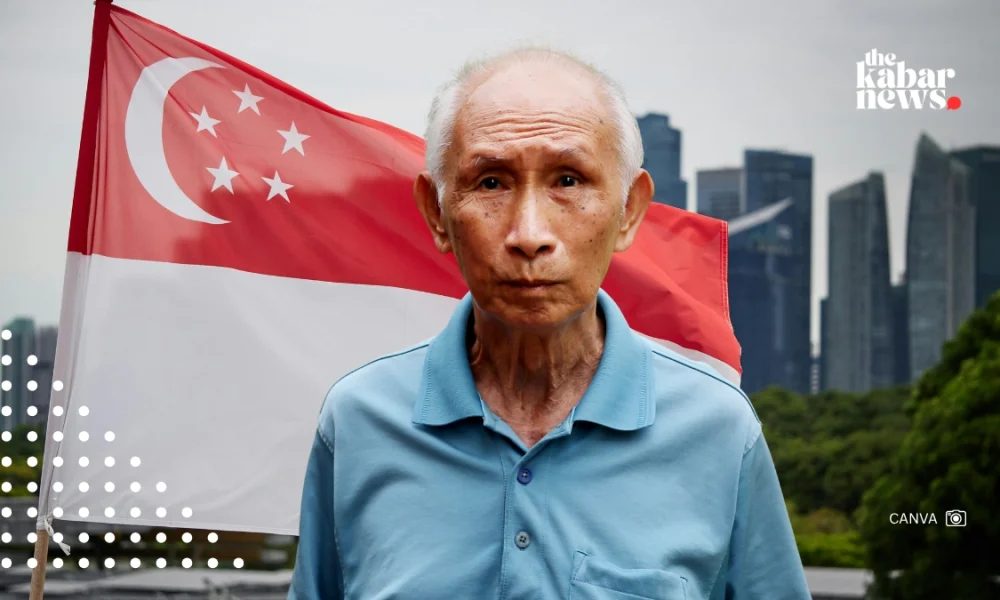
Singapore, Thekabarnews.com—As the number of older people in Singapore rises quickly, the country is entering a new demographic phase. People are worried about housing, health care, and social support systems because of these changes.
The National Population and Talent Division’s most recent Population in Brief report says that in 2026, 20.7 percent of Singaporeans were 65 or older.
This is an increase from 13.1 percent in 2015. The country is in the super-aged group, meaning over 20 percent of its population is 65 or older.
The oldest age groups are the ones that are getting older the quickest. In the past ten years, the number of people aged 80 or older in the area has nearly doubled. It went from 91,000 in 2015 to about 145,000 in 2025.
This quick rise has made things even harder for public services, especially long-term care and healthcare systems.
At the same time, it is also getting easier to see what is wrong with the world, such as the increasing number of older individuals living alone. This number has risen from 58,000 in 2018 to about 87,000 in 2024. This trend highlights the growing social isolation among the older population.
There were about 87,000 older people living alone in 2024. The number increased significantly from 58,000 in 2018. In 2025, groups like Loving Heart and Death Kopitiam Singapore said that there were at least 33 lonely deaths. These are deaths of old people that went unnoticed for a long time.
The way we care for people now might not be enough for a population that is getting older quickly. Dileep Nair said that the options we have right now are not excellent. They mostly make older people choose between living alone with little help or going to a nursing home.
He urged authorities to build assisted living communities that offer freedom, healthcare, and social engagement for residents.
The people in charge of the government have said that the problem needs to be resolved right away. Ong Ye Kung said that the Silver Generation Office and community networks are still running programs to help older people.
On the other hand, Shannon Ang said that the big increase in the oldest age group is one of the most significant changes happening in the country right now. He stressed the need to improve services and infrastructure. This is necessary to keep up with population changes.
As Singapore’s population ages, policymakers need to figure out how to keep the economy stable. At the same time, they must also help people in need.
The country must reform its healthcare systems, housing policies, and community support networks to ensure older people live safely and with dignity.







No Comment! Be the first one.