

Scientists in Norway Found that Arctic Bacteria can Reverse The Aging Process in Human Cells
Norway, thekabarnews.com – Scientists in Norway made a surprising discovery after analyzing ancient microorganisms frozen in Arctic permafrost for almost 40,000 years. These tiny...

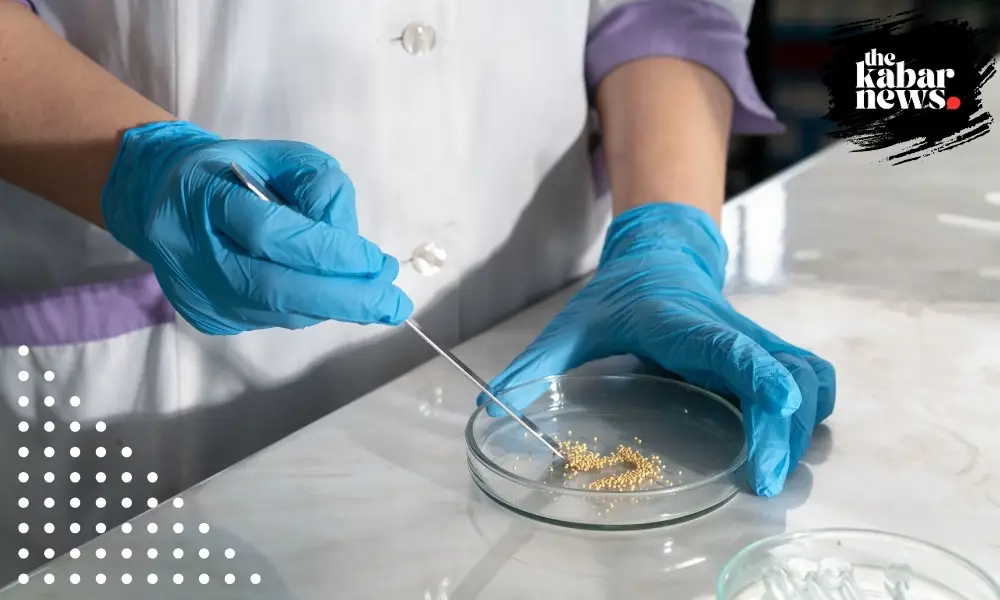
Norway, thekabarnews.com – Scientists in Norway made a surprising discovery after analyzing ancient microorganisms frozen in Arctic permafrost for almost 40,000 years.
These tiny organisms make chemicals that seem to be able to reverse basic signs of cellular aging. In lab tests, human tissues treated with these substances showed an amazing 40 percent reduction in biological age in just eight weeks. This challenges the long-held belief that aging cannot be reversed.
The bacterium survived thousands of years of intense cold and radiation by building strong biochemical defense systems. Researchers were shocked to find out that these same processes can reset the epigenetic clocks in human cells. Cells that were treated showed less inflammation, better DNA repair, and faster rates of healthy cell division. The treated cells were like tissue that is much younger.
The main part of this finding is a new enzyme that actively rebuilds telomeres. Telomeres are the ends of chromosomes that protect them and usually get shorter as we get older. This enzyme appeared to extend telomeres to levels typical of much younger cells. This differs from existing anti-aging methods that merely slow down damage.
Further tests indicated that cells taken from donors who were 80 years old started to act more like cells from donors who were 40 years old. This was evident in a wide range of biological markers.
Many types of tissue, including skin, muscle, organs, and even neurological tissue, exhibited these advantages. This implies that the benefits could extend beyond specific areas of the body.
If this method works well and is safe for people, it might have big effects. Keeping cellular repair systems young might one day delay or perhaps stop diseases that are closely linked to aging. Such diseases include Alzheimer’s, heart disease, and some malignancies.
In 2026, Norway wants to start early human trials with volunteers between the ages of 65 and 75. They will closely watch biological aging over the course of two years.
Researchers think that if the results are correct, therapeutic applications will appear by the end of the decade. This could change the way we perceive and experience aging.






No Comment! Be the first one.