

Russia has banned WhatsApp, Facebook, Instagram, and YouTube
Russia, Thekabarnews.com—Recently, Russia has restricted access to some Western social media sites as tensions with Western countries have grown. In the past, Russian officials labeled Facebook and...

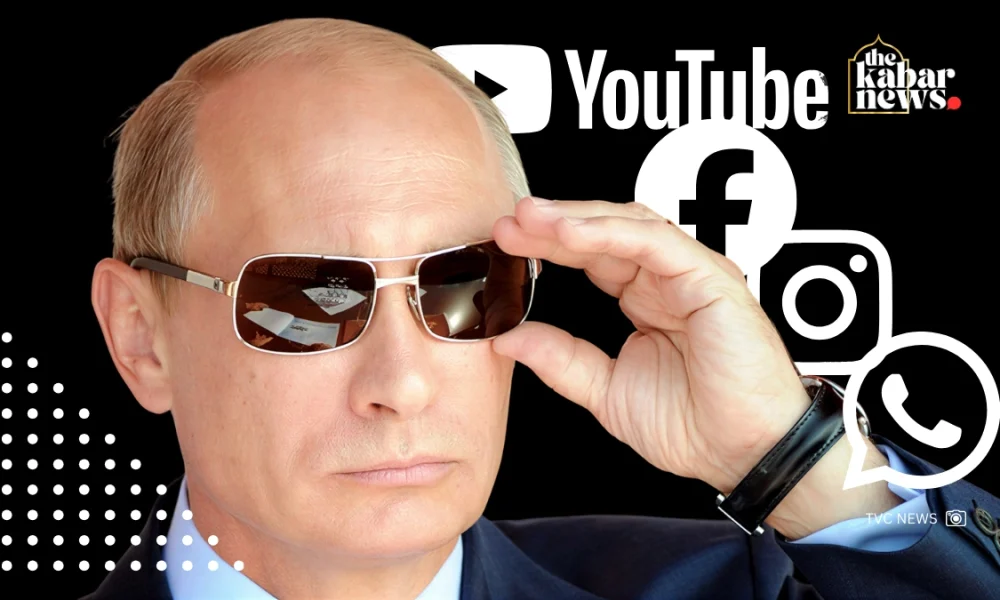
Russia, Thekabarnews.com—Recently, Russia has restricted access to some Western social media sites as tensions with Western countries have grown.
In the past, Russian officials labeled Facebook and Instagram, under Meta Platforms’ ownership, as extremist groups. The decision effectively limited their ability to do business and be accessible in the country.
YouTube, on the other hand, has had to deal with slowdowns and regulatory scrutiny from time to time. Authorities haven’t put a nationwide ban in place, but users have said that the quality and availability of the service change depending on the political climate and talks between regulators and the platform about how to comply.
Messaging apps like WhatsApp have also had to deal with different levels of government oversight. Russian regulators have said they are worried about things like storing data, moderating content, and following the country’s laws.
Experts say Moscow is pursuing a broader goal by taking these steps: controlling digital information and restricting how people share content online. The government maintains that the laws are there to keep the country safe and stop other countries from getting involved in its industry.
Critics argue that such laws make it harder to express opinions and use technology to communicate globally.
Digital platforms are still shifting in Russia. Rules, politics, and arguments over data requirements and content standards continue to shape the online world.
Many people think that foreign tech businesses will have to adapt how they do business in Russia as the relationship between the Russian government and Western governments changes.
Geopolitics is having an ever-increasing effect on how people talk to each other online. People increasingly chat about politics and set regulations on social media platforms, for example.







No Comment! Be the first one.