

Reza Pahlavi promises ‘historic shift’ if Iran’s current regime falls
Thekabarnews.com—Reza Pahlavi, the ex-Iranian Crown Prince, has sent a direct message to Saudi Arabia, the United Arab Emirates (UAE), and other Arab countries in the area. He discusses his plans for...

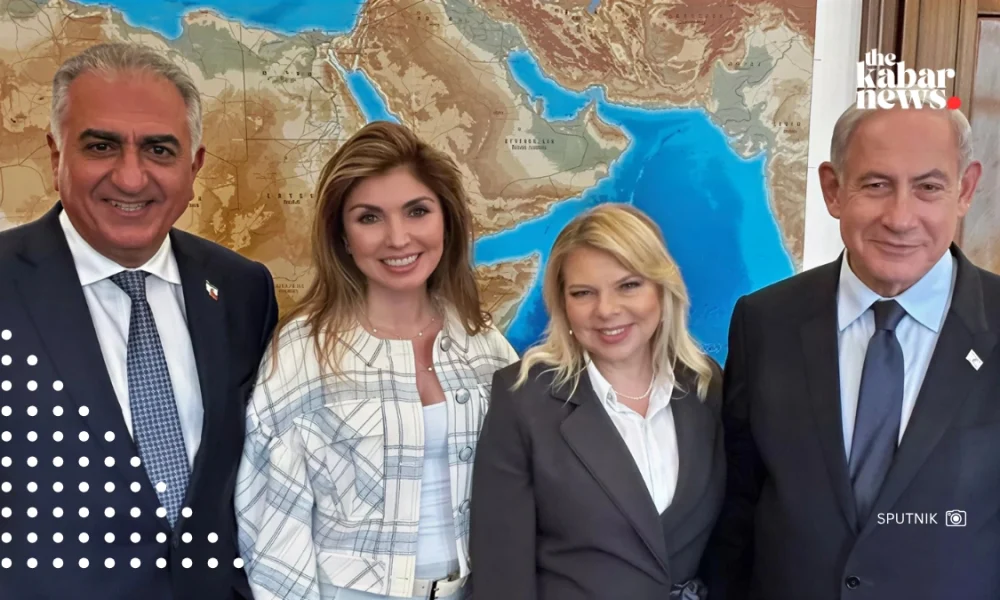
Thekabarnews.com—Reza Pahlavi, the ex-Iranian Crown Prince, has sent a direct message to Saudi Arabia, the United Arab Emirates (UAE), and other Arab countries in the area. He discusses his plans for a future Iran. This future Iran puts peace and working together in the region first.
Pahlavi wrote an opinion piece for Asharq Al-Awsat and posted it on his official social media account. He said that if Iran’s current Islamic government fell, it would create what he called a “historic window” for peace and prosperity in the Middle East.
Pahlavi said that if he were in charge, Iran would deal with its neighbors in a very different way. He said that the country would stop threatening nuclear weapons and using what he called “coercive diplomacy.”
He also said that he would stop backing armed groups and proxy forces that are operating in the area.
Pahlavi said Iran would not meddle in its neighbors’ affairs and would respect their sovereignty. He stated that this change was essential for restoring trust and fostering long-term cooperation.
The exiled prince referenced Iran’s diplomatic history before 1979. At that time, it fostered close ties with Arab leaders such as King Faisal and Sheikh Zayed. He said he wanted to make Iran a “real partner” in the growth of the region again.
Pahlavi proposed expanding the Abraham Accords and other normalization frameworks into a new initiative he called the “Cyrus Accords.”
The goal is to create a platform for Iran, Israel, and Arab countries to work together more on things like politics, the economy, and security.
Pahlavi’s statements come at a time when there is a lot of tension in the Middle East because of ongoing wars and political rivalries. His ideas are still just ideas. However, they show a new way of looking at Iran’s role in the world.
These kinds of statements might have different effects on different groups of people, especially since the politics in Iran are so complicated. Some groups may feel encouraged to push for reform. Meanwhile, others may react defensively to perceived threats to their power.
The message does, however, bring up ongoing discussions about the country’s future and how it might affect stability in the region.
As geopolitical developments evolve, policymakers and analysts continue to discuss alternative leadership scenarios and diplomatic frameworks. These discussions are part of broader efforts to ensure peace and security in the Middle East.




No Comment! Be the first one.