
Norway’s strict social media law targets body image pressure among youth
Thekabarnews.com—Norway has implemented strict social media regulations to protect young people worried about body image. Norway disapproves of digitally altered beauty standards. As a result,...

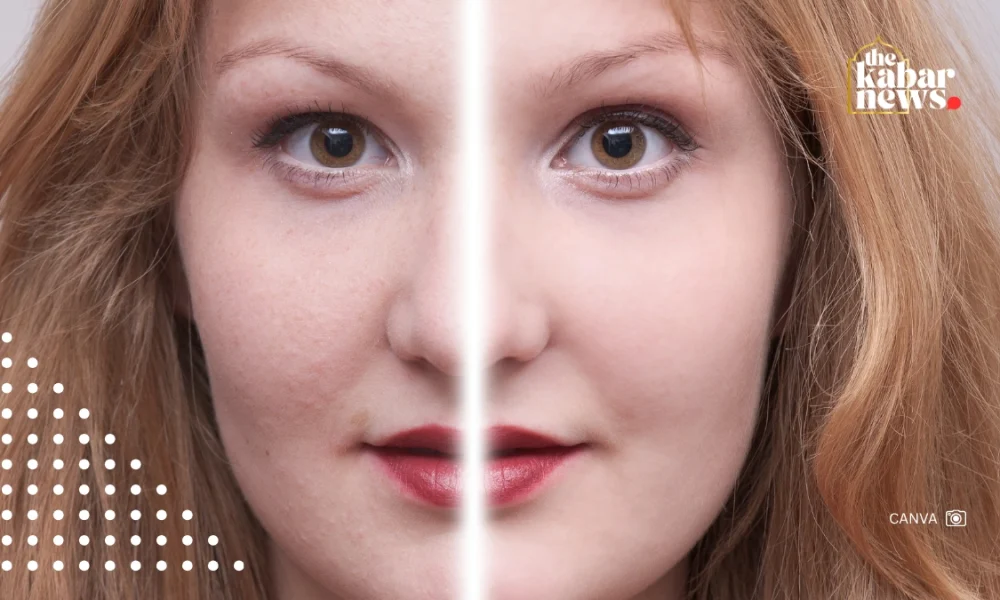
Thekabarnews.com—Norway has implemented strict social media regulations to protect young people worried about body image.
Norway disapproves of digitally altered beauty standards. As a result, influencers and advertisers must inform users when they edit photos on social media.
The limit is there to help people stop worrying about how teens are doing mentally. The policy applies to popular social media platforms such as Snapchat, Instagram, and TikTok.
The new Marketing Act requires anyone who alters an image—through editing or filters that change a person’s body shape, size, or color—to include a standard disclosure label.
The Norwegian Ministry of Children and Family Affairs highlighted the information to let people know that it had been changed digitally.
If you break the law, you could get a ticket or go to jail. This rating means that the government will actually do something to improve things. For example, it could make the rules stricter or give people the tools they need to obey the law.
Parliament voted on the bill on June 15, 2021. There were 72 votes for and 15 votes against. Norwegian officials want to stop it and call it “kroppspress,” which means “body pressure.”
It talks about how hard and stressful it is, especially for young people, to try to look like the unrealistic body types that are often shown online.
The government says that about 70,000 kids and teens in Norway are having mental health problems right now because they do not like how their bodies look.
Officials say that looking at many altered pictures could be bad for your mental health because it can make you feel depressed and anxious.
The ministry said that the policy’s goal is to reduce false hopes and encourage honesty. Officials want clarity so that everyone, especially kids, can tell what’s real.
Many famous people in Norway agree with the rule. Many of them have said they are worried that unrealistic beauty standards could hurt their fans.
Some producers have already found content that has changed on its own, even though the rules aren’t as strict yet.
They do this to help audiences manage unrealistic beauty expectations and better recognize digital content. They identify altered photos and prioritize unedited ones to ensure authenticity.
The law has sparked discussions about the responsibilities of influencers, the management of platforms, and the concept of internet freedom. Norway is one of the few countries that strictly enforces these laws. Meanwhile, others are still debating them.
Norway’s way of dealing with the mental health effects of social media could be a viable model for other countries that are having the same problems. People say there are too many internet rules. As a result, it will be difficult to follow them.
While people could still express their opinions, these rules may not effectively protect children and individuals with mental health issues from online threats such as bullying and exposure to harmful content. This could potentially result in heightened anxiety and depression among these vulnerable populations.
People all over the world are trying to figure out how to allow individuals to express themselves. At the same time, they also want to keep children and other at-risk groups safe from online harms, such as bullying and exposure to harmful content.
It is not difficult to understand how Norway works. There are always new ways for people to prove that they are real online. For example, they might use identity verification methods, two-factor authentication, and social media endorsements.
They might tell you how important it is to be honest and open when you talk to people online or on social media.


No Comment! Be the first one.