

New ceasefire framework could reopen Strait of Hormuz and ease energy crisis
Thekabarnews.com—Pakistan has come up with a two-part plan for a truce that might halt the US and Iran from conflict. This plan might potentially reopen the Strait of Hormuz, which is vital for...

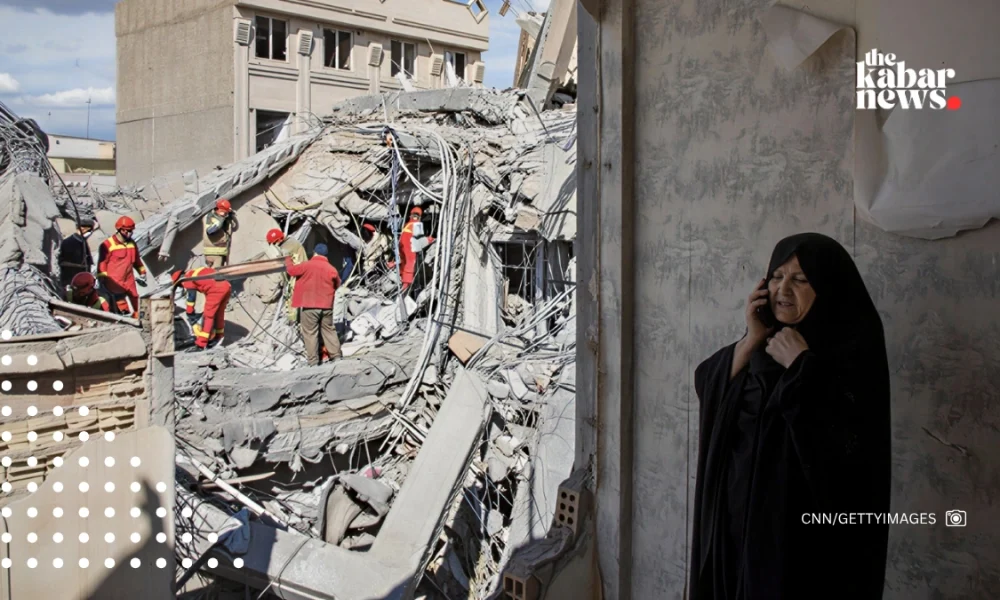
Thekabarnews.com—Pakistan has come up with a two-part plan for a truce that might halt the US and Iran from conflict. This plan might potentially reopen the Strait of Hormuz, which is vital for trade. Moreover, reopening it could lower tensions throughout the world.
Pakistan has provided both Washington and Tehran a blueprint on how to cool things down in a planned way. The idea calls for a cease-fire right away. After that, there will be a longer-term deal that will assist the area in becoming more stable.
The plan calls for a cease-fire so the Strait of Hormuz, a key energy route, can return to normal. About one-fifth of the world’s oil presently goes through the strait. Any difficulties would be a big concern for markets all over the world.
The second half of the idea would be to have longer talks, maybe 15 to 20 days, that would end with a more permanent accord.
According to diplomatic sources, the “Islamabad Accord,” as it is informally known, would include a security framework for the waterway in the area. In addition, the second-to-last round of discussions is likely to take place in person in Islamabad.
Pakistan has played a big role in persuading the two sides to talk to each other. Pakistan’s army chief, Field Marshal Asim Munir, has maintained daily contact with key figures. These include US Vice President JD Vance, US envoy Steve Witkoff, and Iranian Foreign Minister Abbas Araqchi.
Despite the increased diplomatic efforts, uncertainty remains high. Iranian officials have said before that any agreement must include protections against future assaults by the US and Israel.
Furthermore, it should outline methods to lift sanctions and release currently frozen Iranian assets. But sources say that Tehran has not officially agreed to the concept yet.
The US government has also not publicly declared the accord, and Pakistan’s foreign ministry has remained silent about the ongoing talks.
The effort for diplomacy comes at a time when tensions between the military in the area are rising. This situation has caused shipping channels to be closed. As a result, oil prices around the world have become unstable.
As oil prices go up and worries about supply constraints grow, officials are under increased pressure to find a quick solution.
President Donald Trump has recently called for an end to the hostilities immediately and warned of what could happen if a truce is not reached soon. Turkey, Egypt, and Pakistan all reportedly supported efforts to mediate in the area simultaneously.
The offer represents a significant advancement in reducing tensions, but the future remains uncertain. For the approach to succeed, both parties must be willing to give up some of their key political and security objectives.
Governments and markets worldwide are closely monitoring the discussions to assess the outcomes. They know that any success or failure could significantly impact the global economy and regional stability. In particular, it could affect trade relations, investment flows, and geopolitical alliances.



No Comment! Be the first one.