

Bamsoet: Managing Indonesia’s capital market with professionalism and integrity
Jakarta, Thekabrnews.com—Many people in Indonesia are debating how to be honest, open, and professional when it comes to managing money. They are having these conversations after the troubles that...

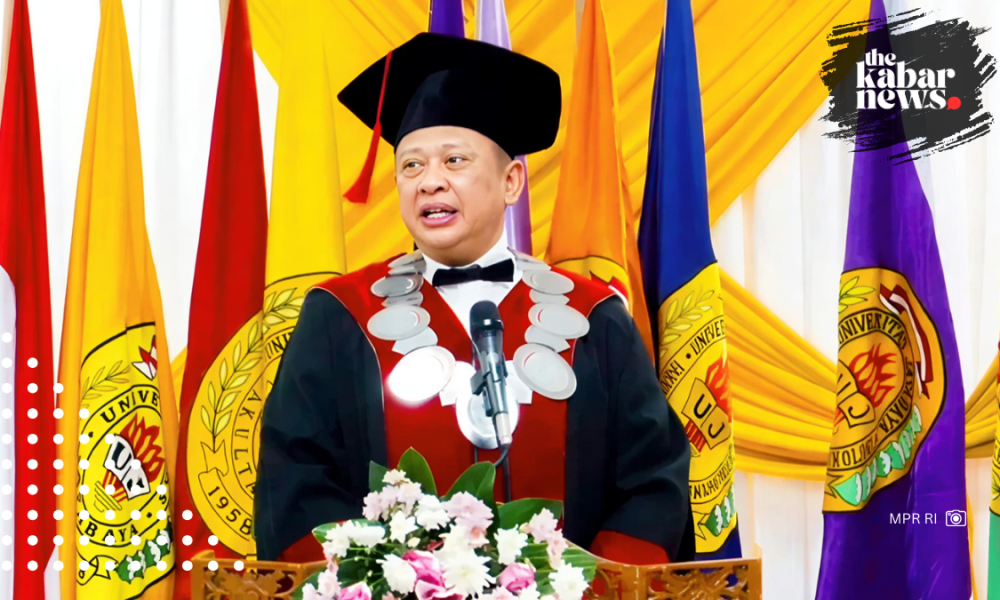
Jakarta, Thekabrnews.com—Many people in Indonesia are debating how to be honest, open, and professional when it comes to managing money. They are having these conversations after the troubles that occurred on the stock market in late January 2026.
Morgan Stanley Capital International (MSCI), a business that creates global indexes, halted the Indonesian Composite Index (IHSG) from rebalancing on January 27, 2026. This move was the beginning of the shockwave.
MSCI stated they were worried about how easy it is for anyone to enter the market. Additionally, they questioned how transparent the free float data is at the Indonesia Stock Exchange (BEI).
The global index provider also saw symptoms of stock frying, which is when people try to affect the price of a stock. The phenomenon has been a problem in Indonesia’s capital market for a long time.
Investors rapidly freaked out and sold after the warning. On January 28 and 29, the IHSG fell nearly 8 percent each day, which were the two days of trade. Many equities went down at the same time, which damaged practically every business. There was so much uncertainty that trade had to cease for a while.
There was a greater problem than merely the data: trust. The rapid dip suggested that both institutional and ordinary investors were becoming more apprehensive.
The pressure was heavier since Indonesia’s market could change from an emerging market to a frontier market. By May 2026, MSCI instructed BEI to make their data easy to access and match global standards.
The problem is that people are messing with stocks. Stock frying is when a group of rich people work together to make equities more expensive. Manipulators buy stocks and spread good news to make it look like the price is going up.
They make money by selling when prices go up, which is not helpful for average investors. This act is against Indonesia’s Capital Market Law No. 8/1995.
People are now wondering how supervision works because of this situation. The stock market has been around for almost 50 years. Therefore, it should have robust mechanisms to monitor factors that can enable early detection of price shifts. We need better rules and stricter enforcement, as this event reveals.
Reports say that President Prabowo Subianto was very interested in what was going on and pushed for more openness and adherence to international norms. Many bank employees quit their jobs to take responsibility. Their actions showed that they knew things were deteriorating.
The capital market in Indonesia is crucial for the country’s growth. The government needs to be honest, follow the rules, and make their monitoring systems better if they want investors to trust them again. Trust-based management is essential to maintain market fairness and prevent fraudulent activities.






No Comment! Be the first one.