

Male fertility is not just about count but sperm quality, Oxford study says
Thekabarnews.com—A new scientific study has found that both the number of sperm and how long they are kept before use may affect a man’s ability to have children. The results show that...

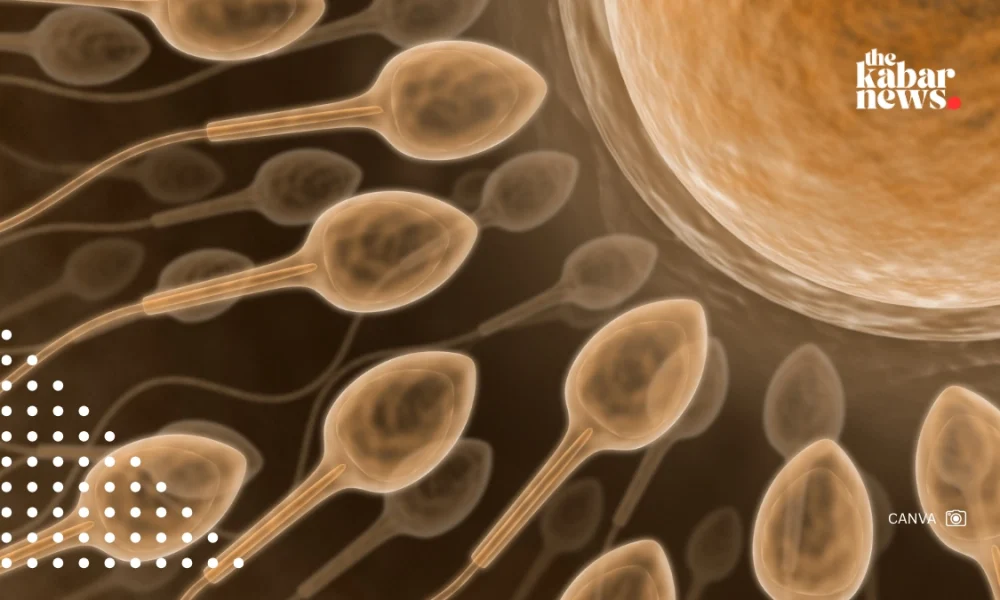
Thekabarnews.com—A new scientific study has found that both the number of sperm and how long they are kept before use may affect a man’s ability to have children. The results show that abstaining from sex can increase sperm production. However, prolonged storage may reduce sperm health.
Researchers from the University of Oxford led the study. They looked at 115 studies of people, which included almost 55,000 men. They also looked at 56 studies of 30 other species in a big meta-analysis.
The results showed over and over again that keeping sperm for a long time hurts DNA, raises oxidative stress, lowers motility, and lowers viability.
Scientists assert that sperm cells are more susceptible to harm than other cells in the body. It has less cytoplasm than other cells, which makes it harder for them to repair damage or protect themselves from oxidative stress. Furthermore, sperm cells continue to use energy and break down more easily during storage.
The study shows that quality and quantity are very different from each other. Abstinence can increase sperm production, but that does not guarantee easier pregnancy. Stored sperm may fertilize an egg less effectively than fresh sperm.
The overall effect on people does not seem massive. This means that refraining from sex for short periods probably won’t make it harder to become pregnant on your own.
But the results could have a big effect on assisted reproductive technologies like in vitro fertilization (IVF) and intracytoplasmic sperm injection (ICSI). This finding is important because with these technologies, the quality of the sperm is crucial.
The study reported that animal research revealed stronger negative effects, including reduced fertilization success and compromised early embryo development.
Across species, the data suggests that sperm have a limited “functional lifespan,” reinforcing the importance of timing in reproductive processes.
The study indicates that there is more to male fertility than just the number of sperm. The best way to go about things is to combine timing with complete reproductive health care.
People need to know how to preserve their sperm for a healthy pregnancy. Moreover, it gives couples who want to have a baby, with or without medical help, useful tips on how to get ready.







No Comment! Be the first one.