

Maldives bans Israeli tourists or products from Israel
Maldives, Thekabarnews.com—One of the most remarkable developments in recent years that connects geopolitics and global tourism is the Maldives’ decision to exclude Israelis. The...

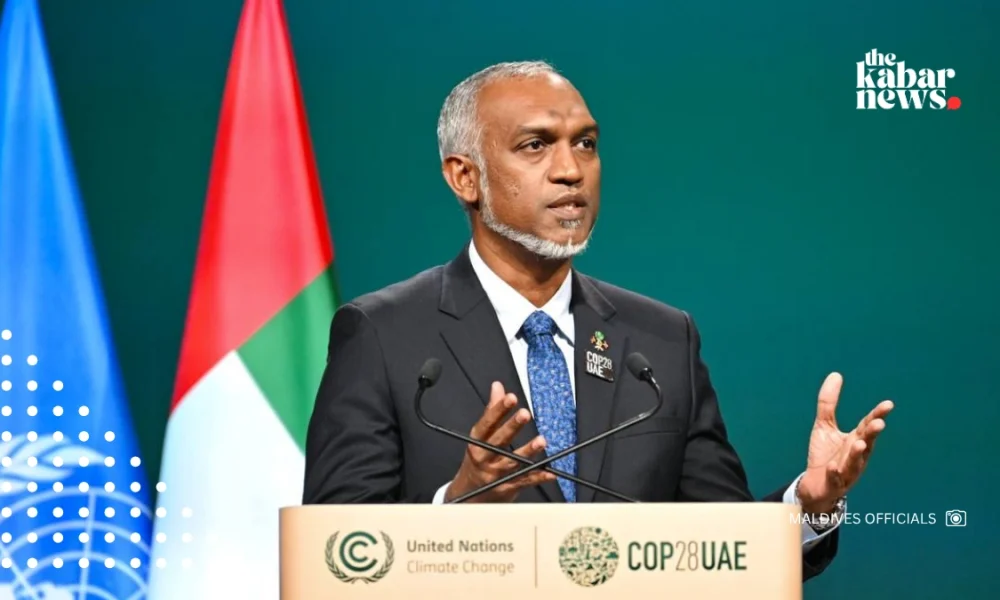
Maldives, Thekabarnews.com—One of the most remarkable developments in recent years that connects geopolitics and global tourism is the Maldives’ decision to exclude Israelis.
The island’s leadership has made its political views apparent by not permitting those with Israeli passports into the country. This has both practical and symbolic implications for the economy.
The president of the Republic of Maldives, Mohamed Muizzu, signed the bill into law as soon as parliament passed it. He stated he did it to indicate that he cared about the Palestinians while the fighting was going on in Gaza.
The administration said that the decision was based on morals, national policy, and broader humanitarian concerns. But this choice makes us think: how far should a country go to put its morals or politics ahead of its own economic interests?
Tourism is still the most important part of the Maldivian economy. It brings in money and jobs for the country. Every year, almost two million tourists from other countries come to the country, mostly from Europe and Asia.
They are incredibly significant to the nation. In 2023, we anticipate the arrival of approximately 11,000 Israelis. Compared to the whole, this figure is a modest number. The restriction reveals that the administration is willing to put politics ahead of common sense when it comes to business.
People who support the Maldives argue that the country has used its power to talk about problems. These are problems that affect people all across the world.
These kinds of things have been happening for a long time, especially now. Today, countries are using their economics more and more to demonstrate how they feel about politics. For a long time, international diplomacy has utilized sanctions, boycotts, and travel bans.
But some people are worried that these types of things could politicize tourism. Most people do not consider tourism to be a method to battle over politics; they consider it to be a way to bring people from various cultures together.
Nations that will not let people from some nations in may be setting a terrible example. This situation makes it tougher for others to travel.
The tactic also aligns with a trend that is gaining stronger: smaller countries are becoming more and more interested in politics in larger countries.
Big countries frequently set the tone for world politics, but this incident shows something important. Smaller countries may still change the way people talk about things around the world.
But it is still not obvious what will happen in the long run. Will this action make the Maldives look like a country that stands up for its beliefs, or will it scare away visitors and investors?
The Maldives’ choice highlights a wider dilemma that many countries are dealing with right now. They must decide how to stay moral and make money in a world that is getting more divided. Wars affect people’s beliefs; thus, tourism may not be able to keep out of politics anymore.
People all over the world are talking about this change in travel rules. Politics and economics are becoming more and more interwoven. This has prompted governments, corporations, and travelers to all reevaluate what tourism means.




No Comment! Be the first one.