

Jeffrey Epstein, Baal, and the reflection on Surah Ash-Shaffat
Thekabarnews.com—As I thought about Surah Ash-Shaffat (Qur’an 37), I stopped for a while when I saw the little mention of Prophet Ilyas. I asked myself why Allah ﷻ includes his story alongside...

Thekabarnews.com—As I thought about Surah Ash-Shaffat (Qur’an 37), I stopped for a while when I saw the little mention of Prophet Ilyas. I asked myself why Allah ﷻ includes his story alongside other prophets whose stories appear more frequently in the Qur’an.
The Qur’an only mentions Prophet Ilyas three times: twice in Surah Ash-Shaffat (37:123 and 37:130) and once in Surah Al-An’am (6:85). His narrative is short but powerful. He tells his people not to worship idols in verse 125: “Will you call upon Baal and leave the Best of Creators (Allah ﷻ)?” The mention of Baal, an old god that some Israelites worshiped, sticks out.
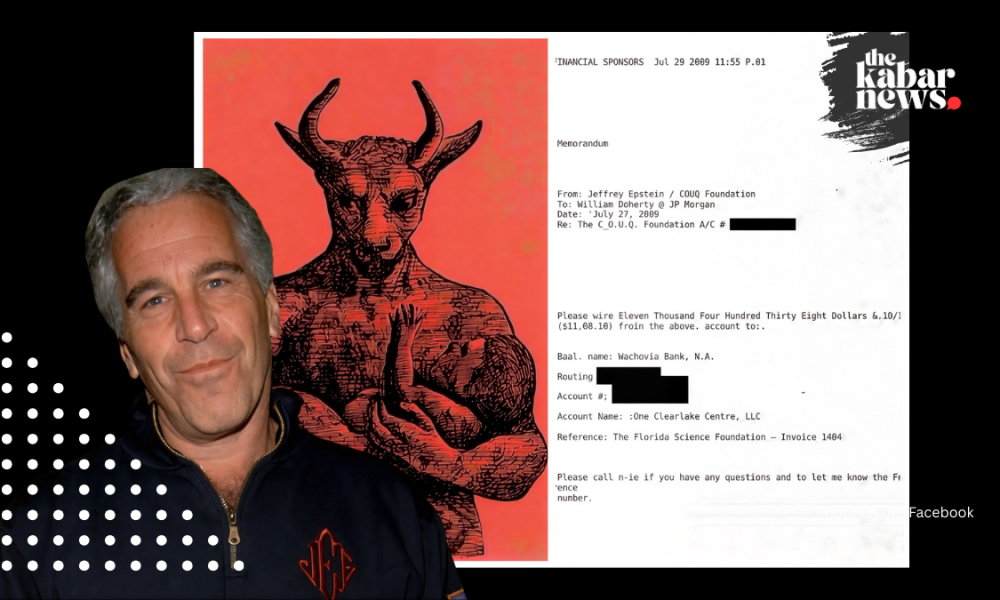
When people started talking about files related to Jeffrey Epstein online, this verse came back into the news. Netizens linked a scanned file containing the term “Baal” to pagan rituals.
Later accounts said that the term might have come from a mistake in OCR (Optical Character Recognition) scanning. In this case, the system misread “Bank name” as “Baal name.” No matter how scientific the explanation was, the story swiftly turned into a bigger conspiracy theory. This theory linked elite crimes to ancient idol worship, with names like Baal and Moloch.
The show made me think of Surah Ash-Shaffat, whether it was true or not. Prophet Ilyas traveled to Baalbek, a location historically associated with Baal worship. The Qur’anic message is timeless: idolatry is not just about statues. Rather, it is about putting power, wealth, or influence above divine counsel.
Islamic tradition also recounts how Muslims permanently destroyed the idol Al-‘Uzza after they captured Makkah.
Unlike Al-‘Uzza, Islamic history never records anyone figuratively “cutting down” Baal. The Qur’an, on the other hand, always cautions that Satan and his followers will keep leading people astray over the years (Qur’an 35:5–6).
“O, Humankind, indeed the promise of Allah is truth, so let not the worldly life delude you and be not deceived about Allah by the Deceiver. Indeed, Satan is an enemy to you; so take him as an enemy. He only invites his party to be among the companions of the Blaze.” (Quran | Surah Fatir:5-6).
Surah Ash-Shaffat (37:128) and Surah Sad (38:82–83) say that the best protection is to be one of the scholars. They say mukhlas is a state of sincerity that becomes part of you.
إِلَّا عِبَادَ ٱللَّهِ ٱلۡمُخۡلَصِينَ
“Except the chosen servants of Allah.” (Quran | Surah Ash-Shaffat 128).
قَالَ فَبِعِزَّتِكَ لَأُغۡوِيَنَّهُمۡ أَجۡمَعِينَ إِلَّا عِبَادَكَ مِنۡهُمُ ٱلۡمُخۡلَصِينَ
“[Iblees] said, “By your might, I will surely mislead them all. Except, among them, Your chosen servants.” (Quran | Surah Sad:82-83).
Conspiracy theories may come and go, but the lesson from the Qur’an is always true. Those who have true faith and resist the cunning lies of false devotion will always win.
Allahua’lam.
By: Zico Alviandri






No Comment! Be the first one.