

Jack Dorsey: The quiet radical behind Bitchat
Thekabarnews.com—Jack Dorsey has consistently taken a different approach in the fast-paced world of technology. In this field, founders often compete for attention. Dorsey is not the kind of founder...

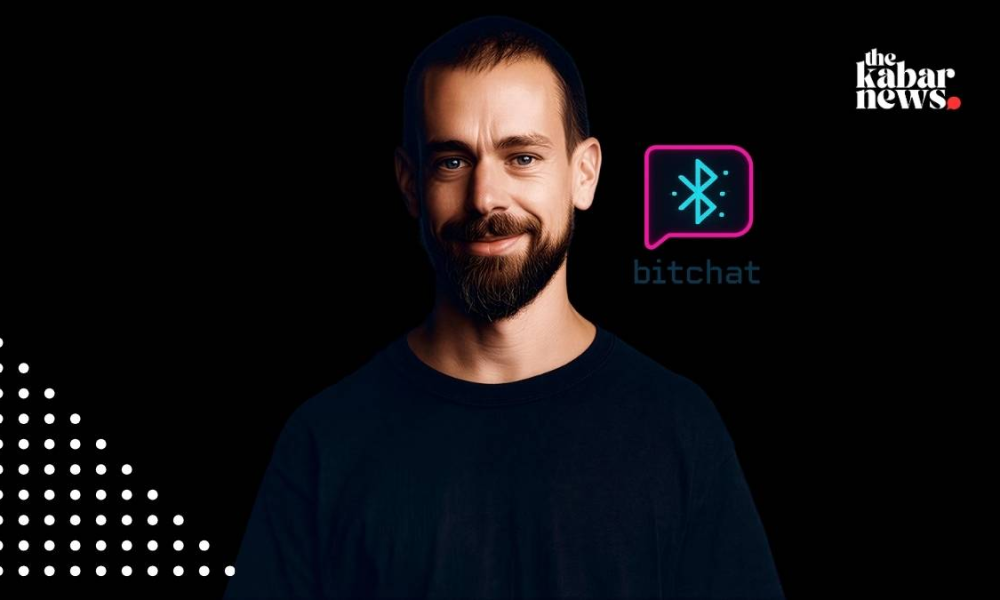
Thekabarnews.com—Jack Dorsey has consistently taken a different approach in the fast-paced world of technology. In this field, founders often compete for attention. Dorsey is not the kind of founder that makes big promises and gets a lot of attention. He is quiet, thoughtful, and known for being simple. Yet his ideas change the way people talk to each other.
Bitchat is based on the same idea. Dorsey has always been concerned about free speech and digital independence. He does not focus on market hype.
People in Silicon Valley already regarded Dorsey as a conundrum even before BitChute. He helped make Twitter one of the most important places for public conversation in the world as a co-founder. But he often discussed how uncomfortable it made him when platforms strayed from their basic goals.
“I want to design tools that help people, not control them,” Dorsey said. This quote shows the conflict between scale and integrity. That stress would shape his life after Twitter.
According to The New York Times, Dorsey’s daily habits of long walks, meditation, and planned alone time are not just strange habits. They help him think clearly in a busy environment.
What is BitChat all about?
Dorsey kept asking himself, what happens when digital discussions depend totally on centralized power? This idea led to the creation of Bitchat.
Bitchat prioritizes privacy, decentralization, and user control in its design. This contrasts with most popular platforms that focus on interaction and growth. Wired says that Dorsey came up with the notion because he thinks communication should be strong. The idea remains important even when institutions fail or people lose confidence.
Dorsey did not put Bitchat in the position of a competitor trying to take over the market. Instead, he framed it as an experiment—a proof that technology can put freedom ahead of profit.
Dorsey has never thought that success was just about statistics. People who know him well say he is more concerned with whether something should exist. He values its existence more than how big it can get.
After leaving his job in corporate leadership, including his stint at Block, Dorsey spent more time on open-source initiatives. He focused on grassroots innovation and platforms like Bitchat that show how his ideals have changed.
As The Guardian reported, Dorsey stands out in the tech world as a founder who is prepared to criticize the structures he helped build.
There is a human story behind the code
It is not just Jack Dorsey’s resume that makes him captivating; it is also his ability to hold back. He still believes in slowness, limitations, and intention. The mindset is important even when innovation is getting louder, faster, and more aggressive.
Bitchat has the potential to become the next major global phenomenon. Dorsey isn’t concerned about that. The idea is to leave behind tools that remind people that technology may still preserve human dignity. People can do such work quietly and conscientiously without making a big deal out of it.
The narrative of Jack Dorsey is less about disruption and more about conscience. It reminds us that often the most radical ideas speak in the quietest voice.







No Comment! Be the first one.