

Iran says ongoing conflict threatens oil production and global energy supply
Thekabarnews.com—Iran’s parliamentary leadership believes that the confrontation with the US and Israel could affect the oil industry. The oil industry is a key part of the economy. Iranian media...

Thekabarnews.com—Iran’s parliamentary leadership believes that the confrontation with the US and Israel could affect the oil industry. The oil industry is a key part of the economy.
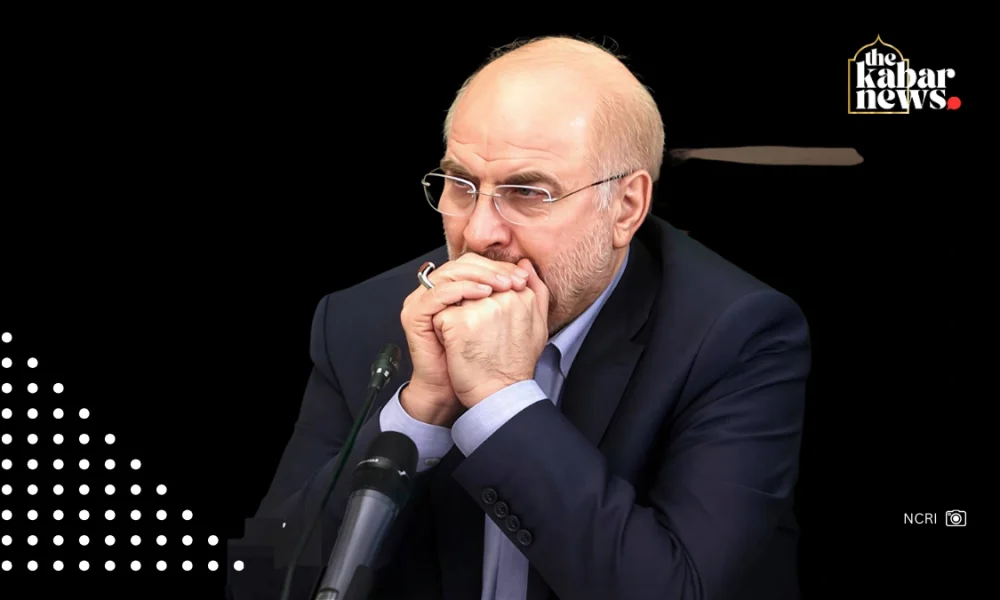
Iranian media quotes Mohammad Bagher Ghalibaf warning people in a speech. He told us what could happen if the fighting does not stop.
“We might not be able to sell oil or even make it if the fight keeps going like this,” Ghalibaf said.
His statements show that Iranian officials are getting more worried. They fear that attacks on important infrastructure over a long period of time could make it harder for the country to keep its oil industry going, potentially leading to significant economic consequences and a decrease in national revenue.
Things have gotten a lot worse between the US, Israel, and Iran since the end of February. Both sides have begun to attack important buildings.
The attacks have targeted energy infrastructure. This has included oil depots and industrial facilities connected to the country’s oil sector.
The economy of Iran depends a lot on oil production and exports. Because Iran is one of the world’s largest oil producers, disruptions in its energy sector could affect global markets.
Iran is a big player in the world’s energy markets because it has a lot of oil and gas reserves and can make a lot of it. Therefore, the world’s supply of oil could get tighter. A prolonged shutdown of its oil industry could lead to an increase in prices.
When politics in the Middle East are not stable, it might make energy less safe for everyone.
People are anxious that there will not be enough oil; thus, markets normally respond swiftly. This happens when conflicts threaten oil production or transit routes.
Those closely monitoring the region have taken Ghalibaf’s warning seriously. This is because energy infrastructure has become a significant target in current warfare.
People are more anxious about how safe the whole area is because Iran is still fighting its adversaries.
Attacking energy facilities is particularly risky. This is because they are frequently the most crucial sections of a country’s economy.
Oil is still a big part of Iran’s economy. It produces jobs, gives the government money, and lets the country trade with other countries.
Making things worse could affect more than just the economy of Iran. It might also damage energy markets around the world, which are already having troubles. Such an event might make prices go up and supplies run out. Such an outcome would be disastrous for economies around the world.
International observers are watching the situation closely. At this point, it is still not apparent what diplomatic actions are being taken to calm things down.
They realize that things that happen in the Middle East can have a major effect on the economics of other countries. This is especially true when trade ceases and oil prices swing up and down. Such events can make the economy of the world less stable, leading to fluctuations in global markets and increased uncertainty for investors and consumers alike.




No Comment! Be the first one.