

Instead of fresh water, 80% of toilets in Hong Kong use seawater, saving millions of gallons every year
Hong Kong, Thekabarnews.com– Many cities throughout the world are having trouble getting enough water. However, Hong Kong’s history shows how creative solutions can lead to long-term...

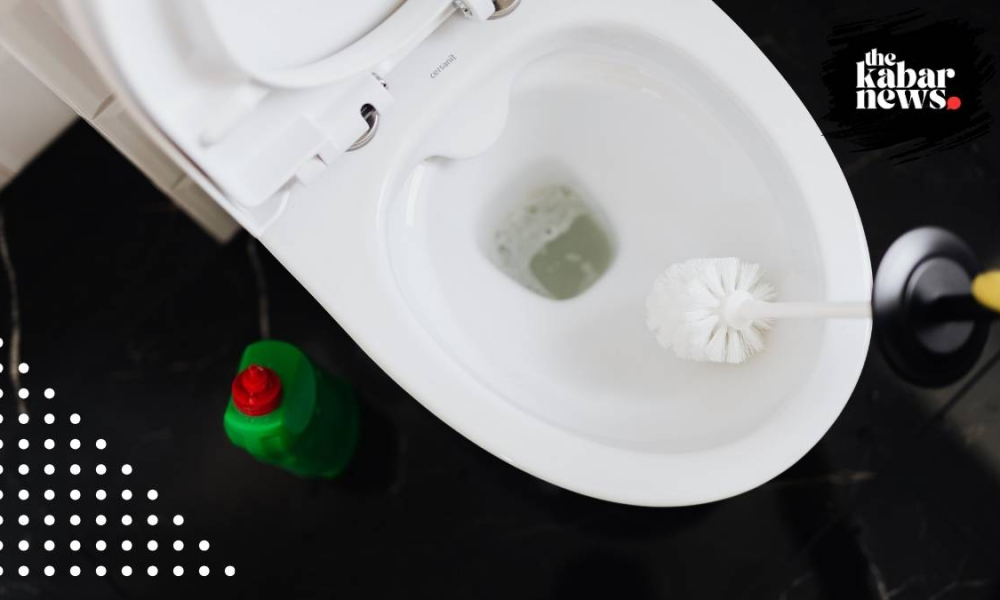
Hong Kong, Thekabarnews.com– Many cities throughout the world are having trouble getting enough water. However, Hong Kong’s history shows how creative solutions can lead to long-term sustainability. Hong Kong boasts one of the most advanced and long-lasting seawater toilet flushing systems in the world. This public utility innovation has quietly changed how cities manage their water for more than seven decades.
What started out as a quick fix has become a permanent part of Hong Kong’s water system. The system has been around since the early 1950s, when the city was running out of fresh water quickly because of a growing population. Natural water sources were scarce, and droughts were frequent. Instead of just using reservoirs and water brought in from other places, the administration in colonial times came up with a radical new idea. They began using treated seawater to flush toilets.
How the dual water system works
A separate seawater supply network, exclusively for toilet flushing, now connects about 80% of homes and businesses in Hong Kong. Separate from the city’s freshwater system, the network boasts its intake points, pumping stations, pipelines, and treatment facilities. Every day, operators draw seawater from the nearby harbor, clean it to remove debris and control odors, and then distribute it to densely populated areas.
The effect on saving water is enormous. Hong Kong saves tens of millions of cubic meters of freshwater per year by using seawater instead of freshwater to flush toilets. This reduction is a big part of how much water people use at home. This cut eases pressure on reservoirs and keeps the supply steady during dry seasons. It also makes the country less reliant on water brought in from mainland China.
Urban planners and environmental specialists often point to Hong Kong’s seawater system. Experts consider it a rare example of a large-scale dual water supply system that has remained reliable and cost-effective over time. The initial investment needed a lot of pipe-laying and engineering changes. However, the long-term expenses of running the system have stayed modest. The system has been able to work through decades of urban growth, from rebuilding after World War II to the present megacity age.
The seawater network also helps the climate stay stable. As climate change makes droughts more likely, it changes the way rain falls across Asia. Towns with various water sources have an edge. Hong Kong’s method makes it less likely to fail when there is just one source of water and provides it a buffer during times of water stress.
Global interest and limitations
The system has been very successful since the public has accepted it. People have become accustomed to using clearly marked seawater-flushed toilets, which function similarly to regular toilets. Seawater can be more corrosive; therefore, it needs particular materials and maintenance. However, the authorities have always updated pipelines and fixtures to reduce long-term damage.
Even if the model functions effectively, not everyone can utilize it. Experts say that accessibility to the coast, population density, and the ability of the government to control all affect how possible something is. Cities that are distant from the ocean or have broken infrastructure may have trouble getting many people to use it. Still, parts of Hong Kong’s strategy, such as isolating drinking water usage from other uses, are becoming more and more important.
Kong’s seawater toilet system has become more interesting to planners, engineers, and environmental policymakers from other countries. It reminds us that innovation doesn’t always require the latest technology. Occasionally, it just requires the courage to challenge our preconceived notions about how cities function.
Hong Kong’s seawater flushing system is still a modest but strong illustration of how practical engineering can help the environment for a long time—one flush at a time—more than 70 years after it was first put in place.






No Comment! Be the first one.