

Indonesia’s plastic industry under pressure as Middle East supply disruptions hit
Jakarta, Thekabarnews.com—Indonesia’s plastic industry is having problems receiving raw materials from the Middle East. This is making things challenging for them. The conflict between Iran and...

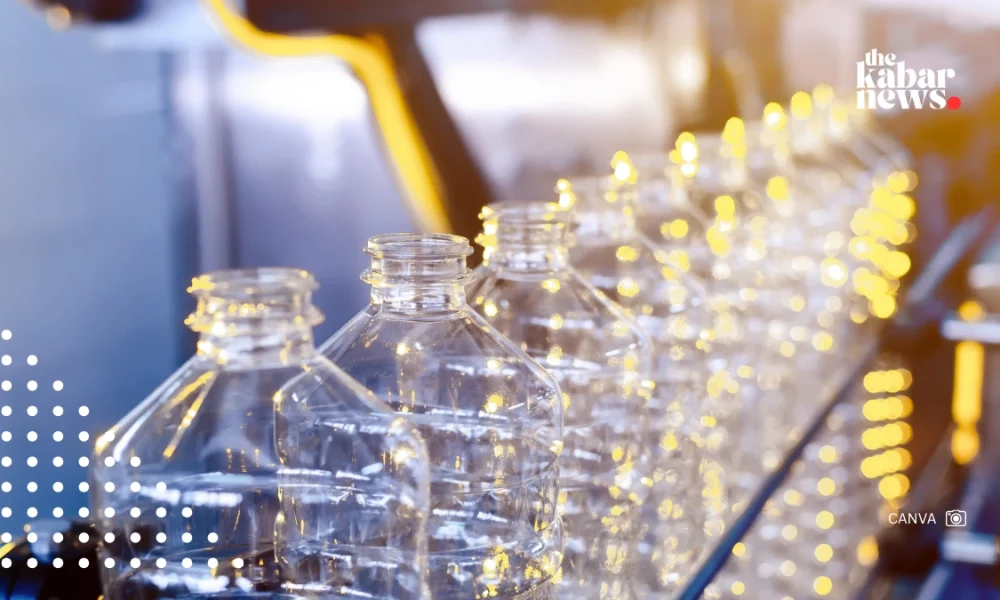
Jakarta, Thekabarnews.com—Indonesia’s plastic industry is having problems receiving raw materials from the Middle East. This is making things challenging for them.
The conflict between Iran and Israel is getting worse, and the Strait of Hormuz is closing. This situation makes it harder for Indonesia to receive the raw materials it needs for its plastic industry. These problems are making costs and production go down.
Industry experts claimed that the gap has made it harder to access essential petrochemical feedstocks like naphtha. The Middle East is where more than 70 percent of Indonesia’s raw materials come from.
The divide has effectively cut off a major supply line. Therefore, it is necessary for businesses to find other methods to receive what they need.
In response, professionals in the sector are working with the government to discover other sources of supply in the US, India, Central Asia, and Africa. However, changing how things move has made logistics tougher in new ways.
Shipping stuff takes a lot longer. They used to take 10 to 15 days, but now they can take up to 50 days. To stay afloat with low stock, many firms have capped their profits.
The price of oil has gone up all around the world. A barrel used to cost over $100. Things created from derivatives, like plastics, are now pricier because prices have increased. In other regions, prices have gone up by as much as 250 percent.
The repercussions are starting to permeate to the domestic markets, where they are affecting both corporate and consumer items.
Prices for various commodities, such as packaging materials and household goods, are expected to rise further. This is due to increasing costs of the raw materials used to produce them.
Officials from the government claimed that it is difficult to identify fresh sources of supplies. When it comes to buying, giving, and storing things, a lot needs to change.
“We are still working closely with people in the company to identify trusted suppliers all around the world to stabilize supply and keep costs from moving up and down too much,” the statement remarked.
The current situation indicates how Indonesia’s industrial ecology is less stable because it relies on petrochemical raw materials from other countries.
Since the break, people have been even more vocal about how crucial it is to strengthen domestic production. They want to establish supply systems that can withstand additional stress.
Even if it was terrible, many people regard the crisis as a turning moment. Policymakers and industry leaders are now demanding long-term plans to strengthen supply chains and minimize reliance on one area.
Rising global tensions are destabilizing energy markets and trade routes. The situation is increasing uncertainty for industries that rely on them, including Indonesia’s plastic sector. Things are tough for Indonesia’s plastic sector right now.
The industry must manage supply fluctuations—such as changes in raw material availability and transportation costs—to remain stable and competitive in the future.



No Comment! Be the first one.